






What's Happening?
Kim B. Clark has officially retired from Brigham Young University, marking his fourth retirement and concluding a 54-year career in higher education. Clark reflected on his extensive experience, emphasizing that access to knowledge does not equate to learning.
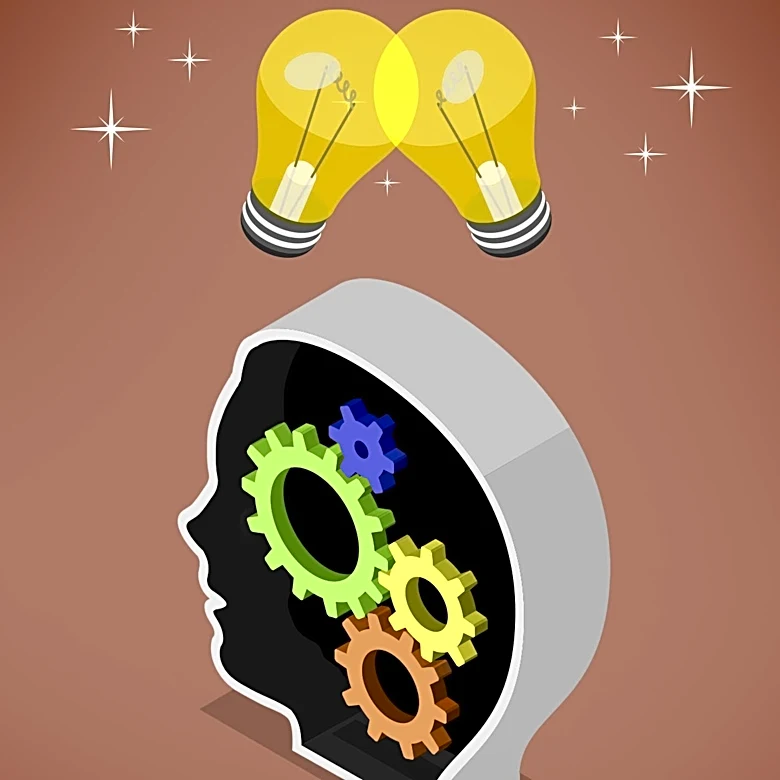
He has long advocated for a 'deep learning' model, which involves knowing, feeling, doing, and becoming. This model suggests that individuals first acquire knowledge, then develop feelings and convictions about it, which in turn motivates action, ultimately leading to personal growth and capability. Clark noted that while artificial intelligence (AI) can significantly expand knowledge and accelerate the 'doing' aspect, it risks bypassing the crucial 'feel' and 'become' stages of deep learning. He expressed concern that an over-reliance on AI could lead to superficial understanding and action without the development of judgment and conviction.
Why It's Important?
Clark's retirement and his reflections on deep learning, particularly in the context of AI, carry significant implications for the U.S. education system and workforce development. His critique highlights a potential pitfall of integrating AI into learning processes: the risk of producing individuals who can perform tasks but lack a profound understanding, ethical judgment, or personal development. This perspective is crucial for educators, policymakers, and technology developers as they navigate the evolving landscape of AI in education. If educational institutions prioritize mere knowledge acquisition and task execution facilitated by AI, they might inadvertently hinder the development of critical thinking, emotional intelligence, and moral reasoning—qualities essential for a well-rounded citizenry and a resilient workforce. The challenge lies in leveraging AI's capabilities to enhance, rather than diminish, the holistic learning experience, ensuring that future generations are not only knowledgeable but also capable of thoughtful action and personal growth.
What's Next?
The insights from Kim B. Clark's extensive career and his concerns regarding AI's impact on deep learning are likely to fuel ongoing discussions within academic circles and educational policy debates. Universities and educational technology companies may need to re-evaluate their strategies for AI integration, focusing on pedagogical approaches that complement AI's strengths with human-centric learning objectives. This could involve developing curricula that explicitly foster critical reflection, ethical decision-making, and personal development alongside AI-powered tools. Furthermore, there might be a push for research into how AI can be designed to support the 'feel' and 'become' stages of learning, rather than just the 'know' and 'do' aspects. Stakeholders, including educators, parents, and industry leaders, will likely continue to explore how to prepare students for a future where AI is ubiquitous, ensuring they possess both technical skills and the deeper human qualities necessary for success and societal contribution.
Beyond the Headlines
Beyond the immediate educational implications, Clark's observations touch upon broader societal and ethical considerations regarding human development in an increasingly AI-driven world. The potential for AI to streamline processes and provide information at an unprecedented scale raises fundamental questions about the nature of human agency and the value of personal struggle and reflection in learning. If individuals become overly reliant on AI for 'knowing' and 'doing,' there is a risk of diminishing their capacity for independent thought, emotional engagement, and the formation of deeply held convictions. This could lead to a society where efficiency is prioritized over wisdom, and where individuals may struggle to develop a strong sense of self or purpose. Clark's emphasis on 'becoming' underscores the idea that true learning is transformative, shaping who we are, not just what we can do. This perspective challenges us to consider how to design technological futures that enhance, rather than erode, the human experience of growth and self-realization.