





What's Happening?
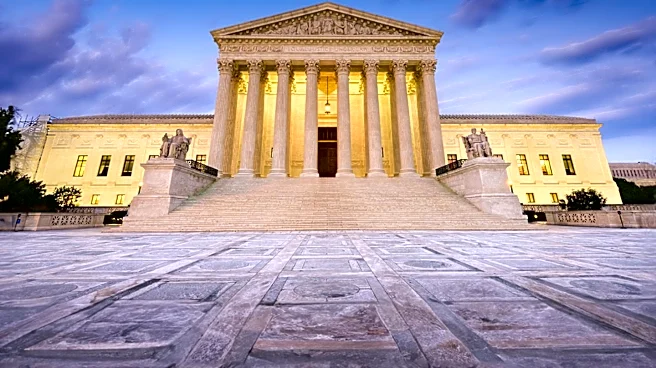
The U.S. Supreme Court has rejected a request from a software company, Vermont Information Processing LLC, to freeze a National Labor Relations Board (NLRB) order. The NLRB had mandated the company to compensate a worker for economic losses incurred due
to an unlawful termination. Chief Justice John Roberts declined the emergency petition, which sought to recall and stay a formal mandate from the D.C. Circuit Court of Appeals that enforced the NLRB's ruling. This marks the third instance this month where an employer has failed in an attempt to secure a high court shield against an NLRB ruling.
Why It's Important?
This decision by the Supreme Court reinforces the authority of the National Labor Relations Board in enforcing federal labor laws and protecting workers' rights. For employers, it signals that NLRB rulings, particularly those concerning unlawful termination and compensation, are likely to be upheld, making it more difficult to challenge such decisions at the highest judicial level. This could lead to increased compliance with labor laws and a more cautious approach by companies regarding employee dismissals. For workers, the ruling provides a stronger assurance that the NLRB's protections against unfair labor practices are robust and enforceable, potentially encouraging more employees to report violations without fear of unaddressed repercussions. The consistent rejection of appeals by the Supreme Court highlights a judicial deference to the NLRB's expertise in labor disputes.
What's Next?
Following the Supreme Court's decision, Vermont Information Processing LLC will be required to comply with the NLRB's order to compensate the unlawfully fired worker. This outcome sets a precedent for other companies facing similar NLRB rulings, indicating that attempts to overturn these decisions at the Supreme Court level are unlikely to succeed. This could lead to a reduction in such appeals, streamlining the enforcement process for the NLRB. The NLRB will likely continue its assertive enforcement of labor laws, confident in the judiciary's support for its decisions. Employers will need to carefully review their termination policies and practices to ensure compliance with federal labor regulations to avoid similar penalties and legal challenges.
Beyond the Headlines
This ruling underscores the ongoing tension between employer autonomy and worker protections in the U.S. legal system. The Supreme Court's consistent refusal to intervene in these NLRB cases suggests a broader judicial trend of upholding administrative agency decisions, particularly in specialized areas like labor law. This could have long-term implications for the balance of power in the workplace, potentially strengthening the position of labor unions and individual employees. The decision also highlights the importance of the D.C. Circuit Court of Appeals in reviewing NLRB decisions, as its mandates are now being consistently upheld. This judicial stance could encourage more robust enforcement of labor laws, leading to a more equitable and protected workforce environment across various industries.