

What's Happening?
North Dakota farmers are facing increased risks this spring due to the removal of a key federal crop insurance option. The U.S. Department of Agriculture’s Risk Management Agency has eliminated the extra coverage option for prevented planting insurance,
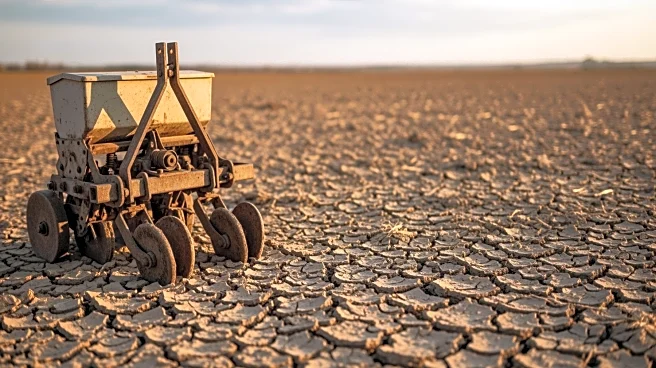
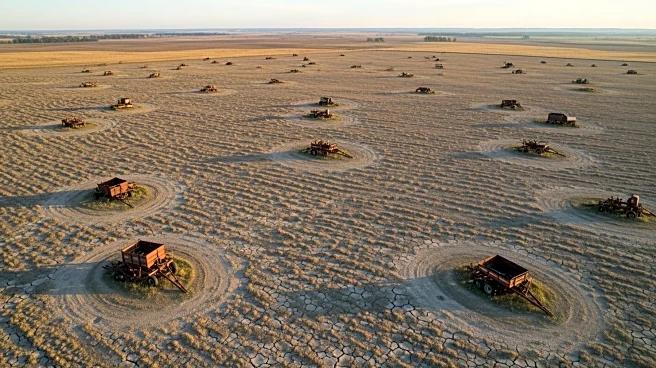
which previously allowed farmers to purchase additional protection against weather conditions that prevent planting. This decision affects farmers who have relied on this option to manage risks associated with unpredictable weather. The extra coverage had been particularly beneficial in North Dakota, where it resulted in $3.18 billion in payments from 2010 to 2024. Despite improvements in other areas of crop insurance, the loss of this specific coverage is seen as a significant setback for farmers in the region.
Why It's Important?
The removal of the extra prevented planting insurance option is significant as it leaves farmers more vulnerable to weather-related disruptions. This change could have economic implications for the agricultural sector, particularly in states like North Dakota, where the planting season is shorter and weather conditions can be more challenging. The decision may lead to increased financial strain on farmers who are unable to plant due to adverse weather, potentially affecting crop yields and the broader agricultural economy. The lack of this insurance option could also discourage investment in farming operations, impacting local economies and food supply chains.
What's Next?
Farmers have until March 15 to make crop insurance purchases, but without the extra prevented planting option, they may need to explore alternative risk management strategies. There is hope among some stakeholders that pushback from affected states could lead to a reversal of the policy change in future years. A group of senators has already written to the Agriculture Secretary, urging a reconsideration of the decision for 2027 and beyond. The outcome of these efforts could determine whether the extra coverage is reinstated, providing farmers with a critical safety net against planting disruptions.