



What's Happening?
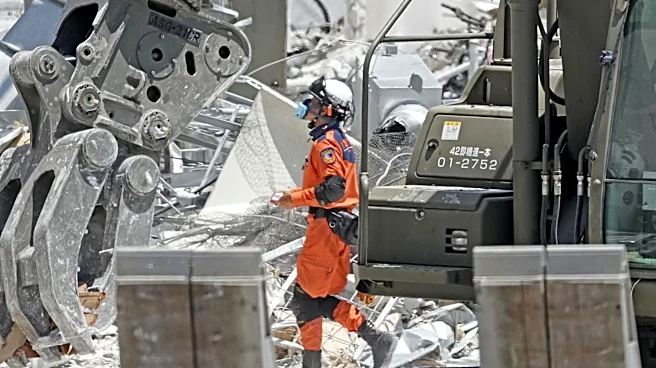
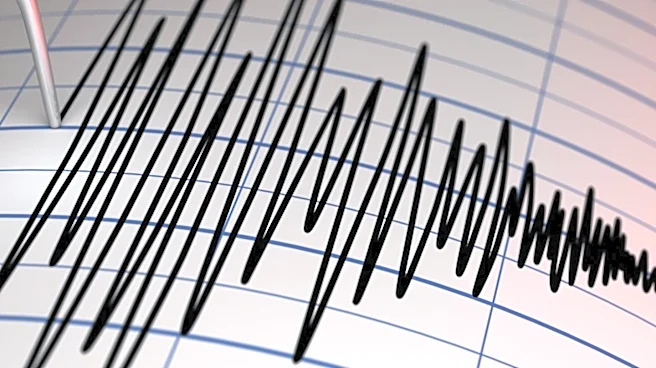
In the aftermath of a magnitude 7.1 earthquake in Kumamoto Prefecture, Japan, authorities are grappling with heat-related health risks and resource shortages. An elderly woman died of heat stroke while sheltering in her car, highlighting the dangers faced
by evacuees amid high temperatures. Nearly 47,000 households remain without fresh water, and fuel shortages have led to long queues at petrol stations. The government is working to improve living conditions in evacuation centers by providing essential supplies.
Why It's Important?
The situation underscores the compounded challenges of natural disasters, where initial impacts are exacerbated by subsequent health and resource issues. The heat-related risks and shortages of essential supplies highlight the need for comprehensive disaster response strategies that address both immediate and long-term needs. The government's response will be critical in mitigating further health risks and ensuring the well-being of affected residents.
What's Next?
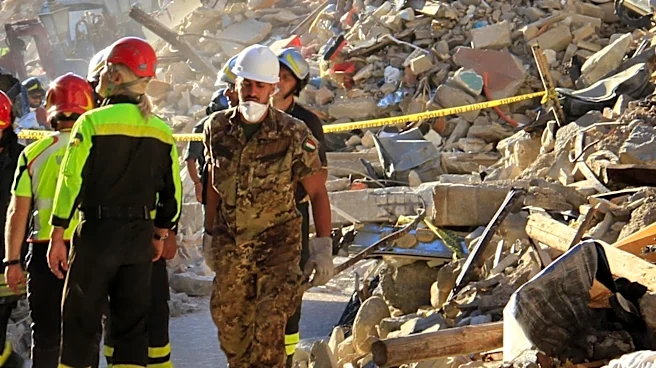
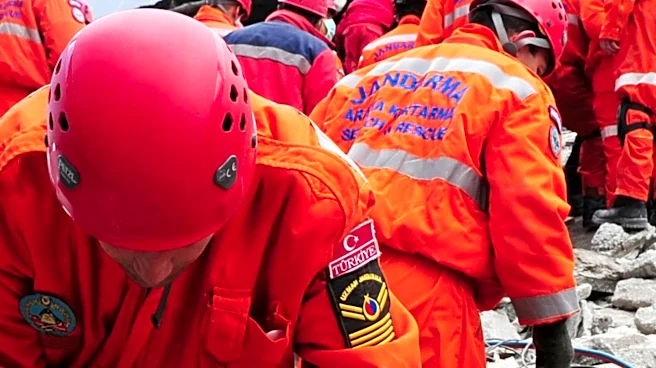
Authorities are continuing search and recovery operations while distributing resources to improve conditions for evacuees. Efforts to restore water and fuel supplies are ongoing, and the government is likely to implement additional measures to prevent further heat-related incidents. The situation will require ongoing monitoring and support to ensure the safety and recovery of affected communities.