


What's Happening?
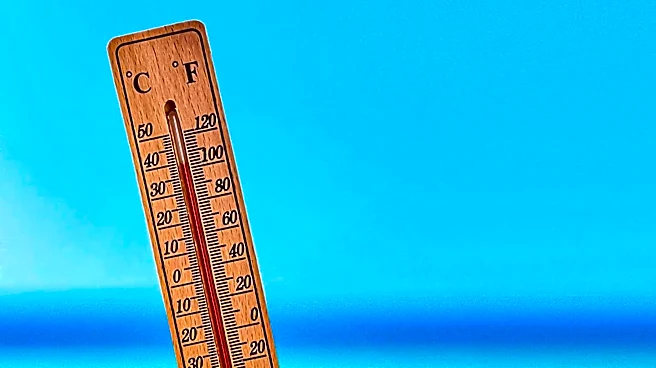
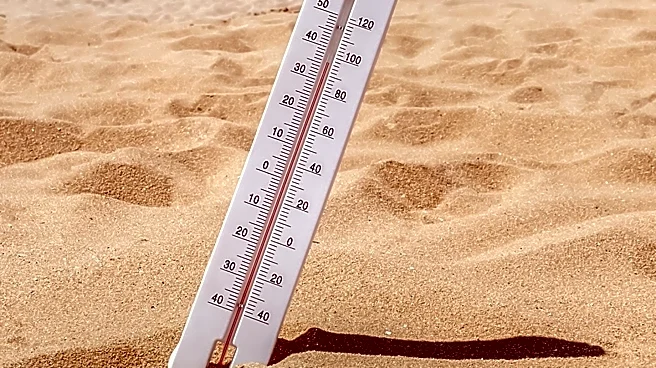
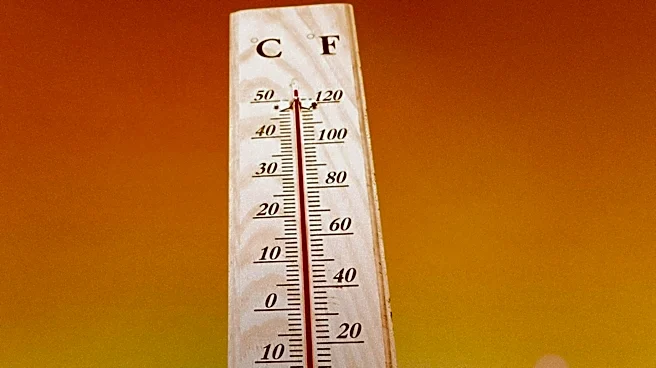
East Texas is experiencing a prolonged period of triple-digit temperatures, with heat advisories and warnings remaining in effect from the National Weather Service. This extreme heat is expected to persist through the end of the week. Forecasts indicate
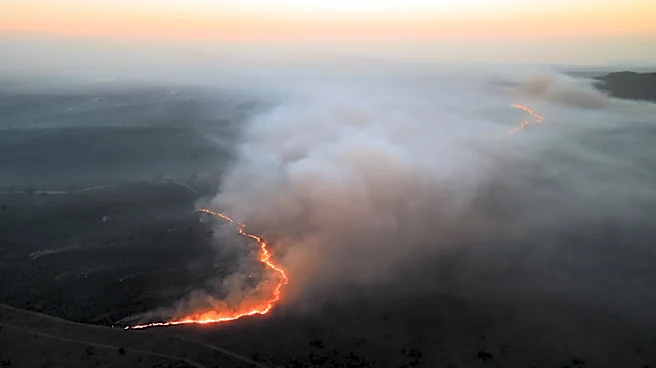
only low-end chances for rain over the next 7 to 10 days, with no significant relief anticipated to alleviate the drought conditions. While temperatures might slightly cool towards the end of next week, they are still projected to remain above normal for late August. The Climate Prediction Center's long-range forecasts consistently predict warmer and drier than normal conditions for East Texas into early September. Consequently, the worsening drought has elevated fire danger to high to very high levels across the region, leading to the implementation of burn bans in most of East Texas.
Why It's Important?
The continuing triple-digit heat and severe drought in East Texas pose significant risks to public health, agriculture, and the environment. Prolonged exposure to such extreme temperatures can lead to heat-related illnesses and fatalities, placing strain on healthcare systems. The lack of substantial rainfall exacerbates drought conditions, threatening crop yields and livestock, which can have considerable economic impacts on the agricultural sector in the region. Furthermore, the high to very high fire danger, evidenced by widespread burn bans, increases the likelihood of wildfires, endangering communities, natural habitats, and infrastructure. These conditions highlight the growing challenges posed by climate change and extreme weather events, necessitating increased preparedness and resource allocation for emergency services and public safety. The situation underscores the vulnerability of local economies and ecosystems to persistent environmental stressors.
What's Next?
Residents of East Texas should prepare for continued extreme heat and dry conditions into early September, as indicated by long-range forecasts. The National Weather Service will likely maintain heat advisories and warnings, urging the public to take precautions against heat-related illnesses. Local authorities will continue to enforce burn bans, and residents should remain vigilant about fire safety to prevent wildfires. Emergency services will likely remain on high alert to respond to potential heat-related emergencies and fire incidents. Farmers and agricultural businesses will need to implement water conservation strategies and adapt to the challenging growing conditions. The ongoing drought may also prompt discussions and actions regarding long-term water management strategies and climate resilience planning for the region. Public awareness campaigns about heat safety and fire prevention will be crucial in the coming weeks.
Beyond the Headlines
The persistent extreme weather in East Texas, characterized by triple-digit heat and severe drought, points to broader implications of climate change on regional habitability and resource management. Beyond immediate concerns, these conditions can lead to long-term ecological shifts, impacting biodiversity, water availability, and soil health. The economic strain on agriculture could trigger migration patterns or changes in land use as traditional farming becomes unsustainable. Socially, the stress of extreme weather can exacerbate existing inequalities, as vulnerable populations may lack adequate resources for cooling or protection from fires. The reliance on burn bans highlights a reactive approach, prompting deeper questions about proactive climate adaptation strategies, such as investing in drought-resistant infrastructure, promoting sustainable land management practices, and developing early warning systems for extreme heat. This situation serves as a microcosm of the challenges many U.S. regions face in adapting to a rapidly changing climate.