




What's Happening?
New York State is actively testing food and managing recalls, with state officials emphasizing quicker action when issues are identified. The New York State Food Laboratory in Albany conducts tests on food samples collected by inspectors from various
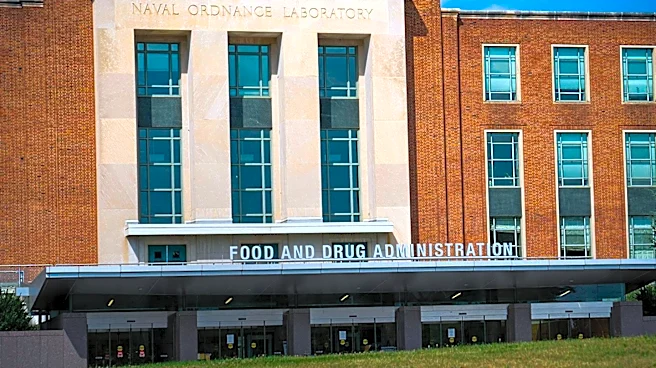
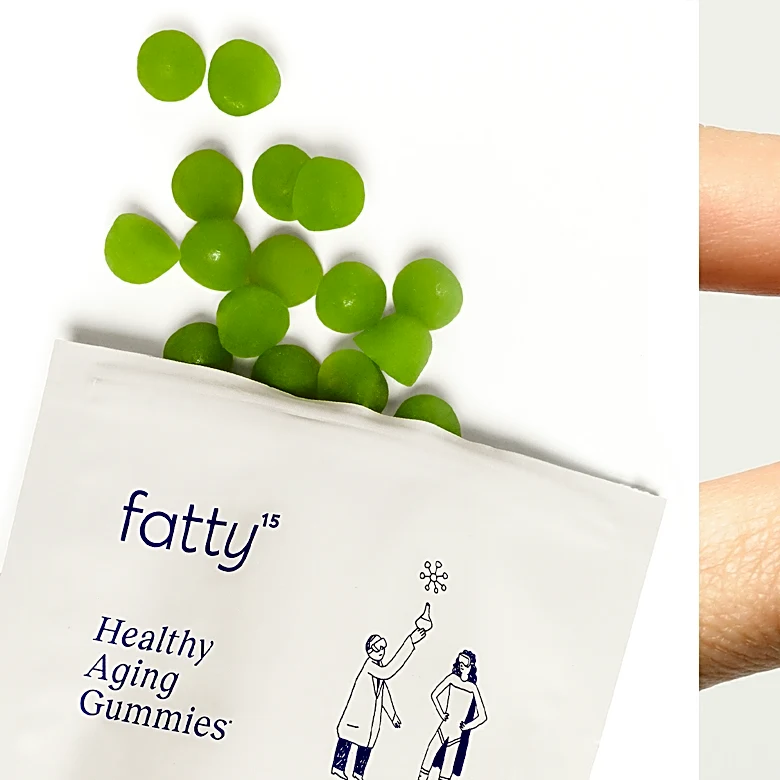
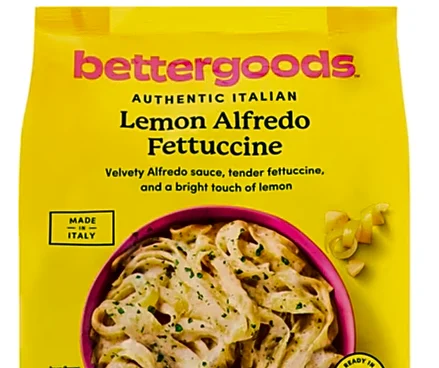
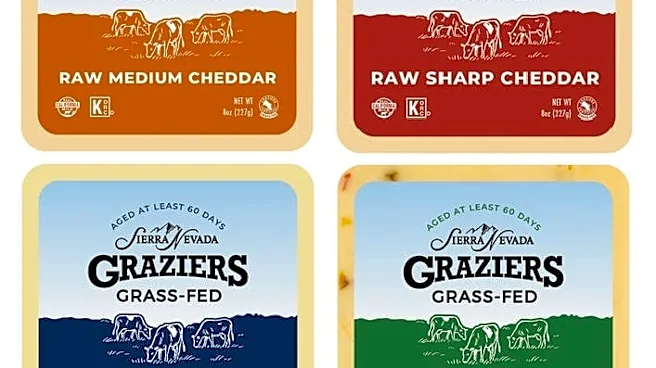
sources, including manufacturers, farms, and dairy operations. These tests screen for pathogens like Salmonella, E. coli, Listeria, and Campylobacter, as well as chemical concerns such as sulfites and dyes. The state's Department of Agriculture and Markets initiates approximately 300 recalls annually, with most originating from observations by food inspectors. Recent federal recall notices have included products with potential Shiga toxin-producing E. coli, Salmonella, elevated lead levels, undeclared allergens, foreign objects, and elevated patulin levels, affecting items like raw milk cheeses, peppers, cinnamon, pasta, and applesauce. Recalls are classified by health risk, with Class I indicating products that could cause serious health problems or death, requiring immediate removal from shelves.
Why It's Important?
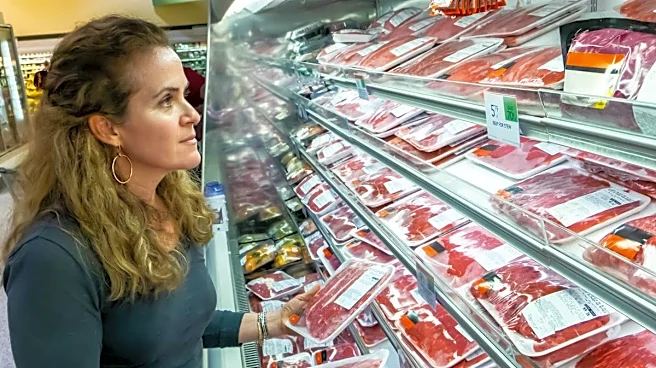
The proactive approach by New York State in food safety testing and recall management is crucial for protecting public health and maintaining consumer confidence. By conducting thorough inspections and laboratory analyses, the state aims to identify and remove contaminated products before they cause widespread illness. The emphasis on rapid response to potential hazards, particularly Class I recalls, minimizes the risk of severe health consequences. This robust system also impacts the food industry by holding manufacturers and retailers accountable for product safety, encouraging better quality control and traceability practices. For consumers, clear guidelines on how to identify and handle recalled products, including checking brand, package size, UPC, lot code, and date, empower them to take necessary precautions. The coordination between state and federal agencies ensures a comprehensive safety net, but also highlights the ongoing challenges in preventing foodborne illnesses across a complex supply chain.
What's Next?
New York State will likely continue to refine its food safety protocols, potentially incorporating new technologies and expanding its testing capabilities to address emerging threats. The ongoing collaboration with federal agencies and food companies will be essential for effective recall management and prevention. Consumers can expect continued public awareness campaigns regarding food safety and recall procedures, encouraging them to stay informed and vigilant. The food industry in New York will face sustained pressure to comply with stringent safety standards, investing in better manufacturing practices and supply chain transparency. As new contaminants or foodborne illness trends emerge, the state's food safety infrastructure will need to adapt, ensuring that testing methods and recall mechanisms remain effective in safeguarding the food supply.
Beyond the Headlines
The detailed process of food safety testing and recalls in New York State reflects a broader national commitment to public health, often operating behind the scenes until a recall event occurs. The classification system for recalls (Class I, II, etc.) underscores the varying degrees of risk associated with contaminated products, providing a structured approach to emergency response. This system also implicitly acknowledges that perfect food safety is unattainable, making effective recall mechanisms indispensable. The role of state-level laboratories and inspectors, working in conjunction with federal bodies, illustrates the multi-layered governance of food safety in the U.S. This intricate network aims to balance the economic interests of food producers with the paramount need to protect consumers from harm, a balance that is constantly re-evaluated in response to new scientific understanding and public health incidents.