




What's Happening?
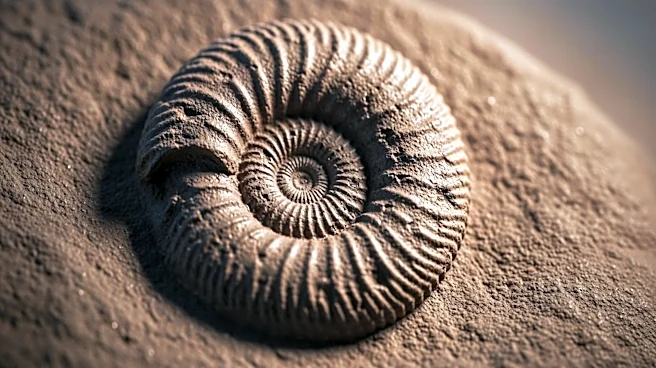
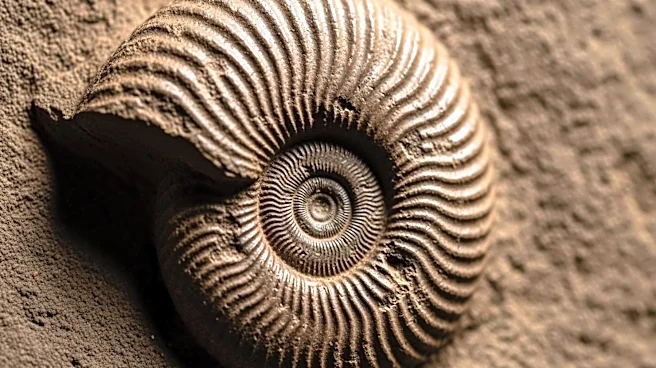
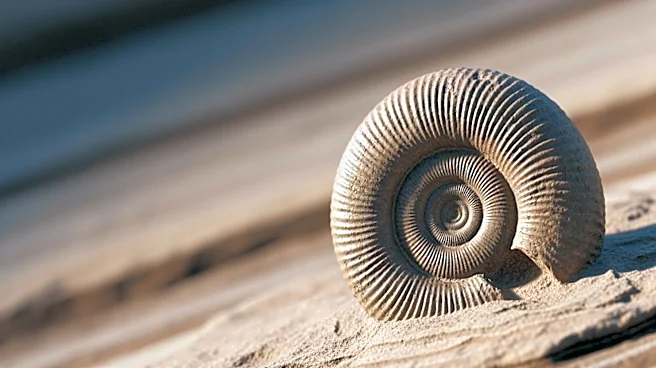
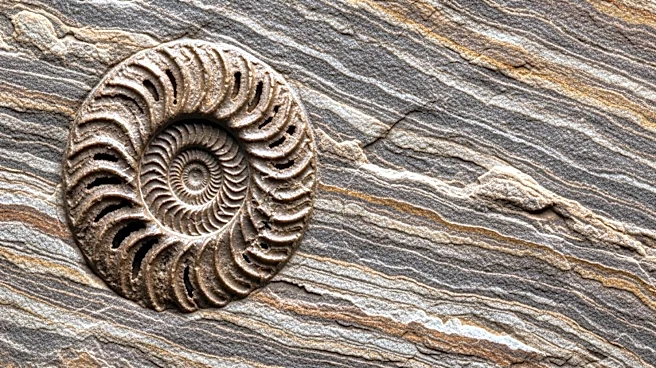
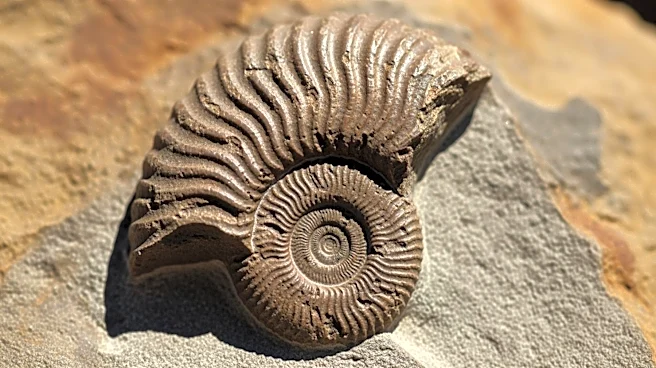
Scientists have determined that a 300-million-year-old fossil previously thought to be the world's oldest octopus is actually a relative of the nautilus. The fossil, known as Pohlsepia mazonensis, was reclassified after researchers found a ribbon of teeth
common to nautiluses but not octopuses. This discovery challenges previous assumptions about the evolution of cephalopods and suggests that octopuses may have emerged much later than previously believed.
Why It's Important?
The reclassification of this fossil alters the timeline of cephalopod evolution, impacting scientific understanding of marine life history. It highlights the importance of accurate fossil identification and the role of advanced imaging technologies in paleontological research. This finding may lead to revisions in evolutionary models and influence future studies on cephalopod development. The discovery also emphasizes the dynamic nature of scientific inquiry, where new evidence can reshape established theories.