



What's Happening?
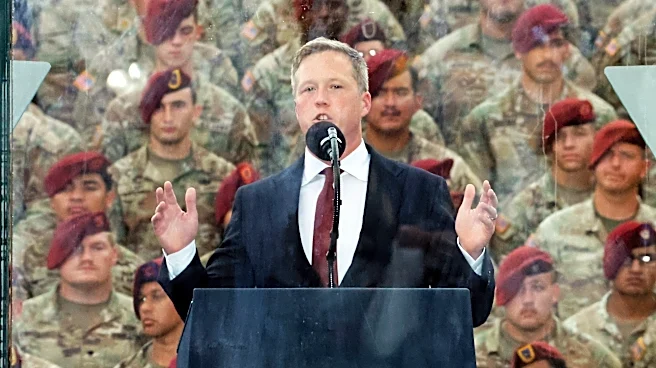
Army Secretary Dan Driscoll resigned on Monday, following a prolonged political dispute with Secretary of War Pete Hegseth. This resignation comes after Hegseth fired the Army’s chief of staff, General Randy George, on April 2, and subsequently blocked
the promotion of seven Army officers to major general. The New York Times reported that Hegseth has dismissed or blocked the promotions of over 80 generals and admirals since taking office. ABC News indicated that Driscoll had repeatedly voiced concerns to White House Chief of Staff Susie Wiles regarding Hegseth’s 'widespread and seemingly indiscriminate firing of senior military officers.' Senator Jack Reed, the senior Democrat on the Armed Services Committee, stated that Driscoll’s departure leaves the Army without its top civilian and uniformed leaders, weakening the military's leadership ranks. This internal crisis within the U.S. military is unfolding six months into the war with Iran, which has seen significant military engagement and resource expenditure.
Why It's Important?
The ongoing leadership crisis within the U.S. military, marked by the resignation of Army Secretary Dan Driscoll and the extensive purge of senior officers by Secretary of War Pete Hegseth, carries significant implications for national security and military effectiveness. The removal of experienced leaders, including those focused on modernizing the Army for 21st-century warfare, could undermine the military's ability to adapt to evolving threats, such as drone warfare. This internal turmoil occurs during an active conflict with Iran, raising concerns about the stability and strategic direction of the armed forces. The reported depletion of critical interceptor missiles, like THAAD and Patriot systems, further highlights potential vulnerabilities. The conflict between Hegseth's focus on 'culture war' issues and the need for technological and strategic modernization, as noted by sources, suggests a misalignment that could hinder the military's operational readiness and long-term capabilities. This situation could also impact morale and recruitment, as a stable and merit-based leadership structure is crucial for attracting and retaining top talent.
What's Next?
The immediate future will likely involve efforts to fill the vacant leadership positions within the Army, including the Army Secretary and Chief of Staff roles, which are currently without confirmed leaders. The ongoing conflict between Secretary Hegseth and other military and political figures suggests continued internal friction. Senator Thom Tillis has publicly called for President Trump to replace Hegseth, indicating potential political pressure for a change in leadership at the Pentagon. The House's recent passage of a stopgap spending bill, which funds the Pentagon at its current rate but omits the administration's requested supplemental funding, could also influence military operations and modernization efforts. The military's ability to sustain its operations in the Iran war, particularly given reported supply and logistical challenges, will remain a critical concern. Further scrutiny is expected regarding Hegseth's personnel decisions and their impact on military readiness and strategic planning, especially as the war with Iran continues.
Beyond the Headlines
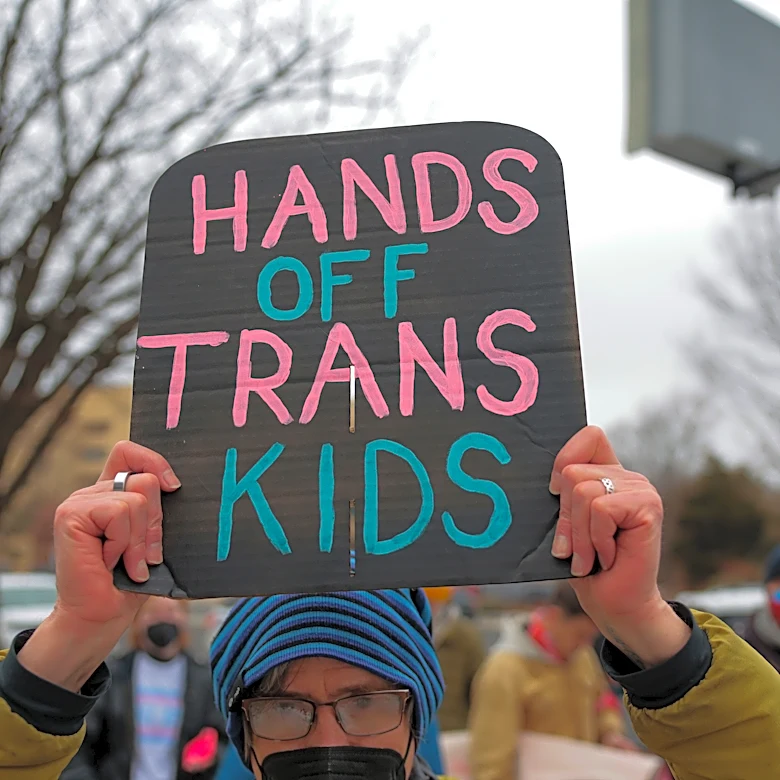
The deep-seated conflict within the Pentagon, as evidenced by the resignation of Army Secretary Driscoll and the widespread firings by Secretary Hegseth, points to a broader struggle over the identity and strategic direction of the U.S. military. This goes beyond mere policy disagreements, touching upon fundamental questions of military culture, leadership philosophy, and the role of the armed forces in a rapidly changing global landscape. Hegseth's emphasis on 'restoring the warrior ethos' and his focus on 'culture war' issues, such as physical fitness standards and gender identity, suggest a move away from a purely meritocratic and technologically driven approach to military development. This shift could have long-term consequences for diversity, inclusion, and the intellectual capital within the military, potentially alienating segments of the population and future recruits. The leaking of classified assessments, such as Admiral Daryl Caudle's objections to deployment orders, indicates a significant breakdown of trust and communication at the highest levels, which could compromise national security by exposing internal divisions to adversaries. This internal strife, occurring during an active war, raises ethical questions about political interference in military command and the potential for ideological agendas to supersede strategic imperatives.