
What's Happening?
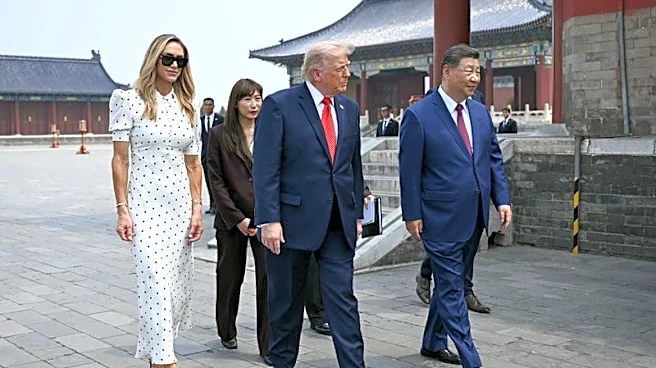
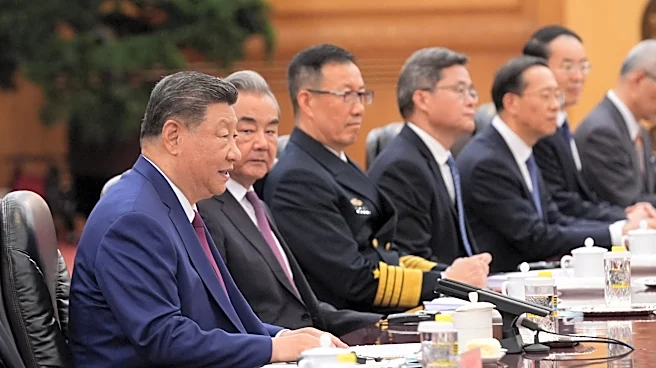
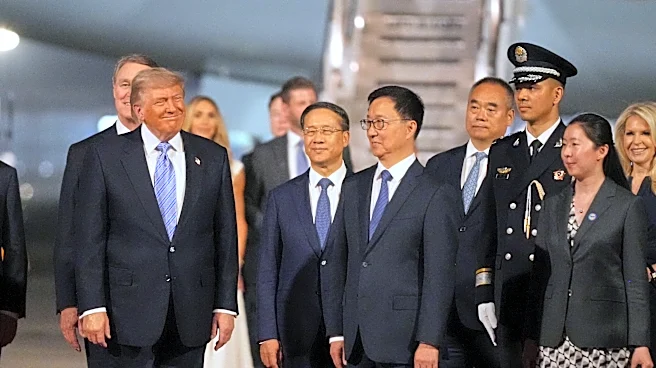
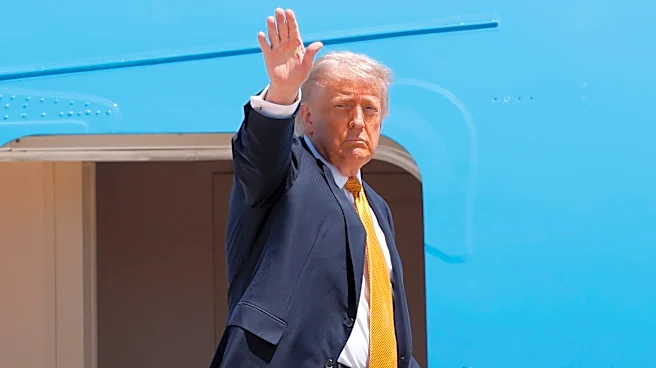
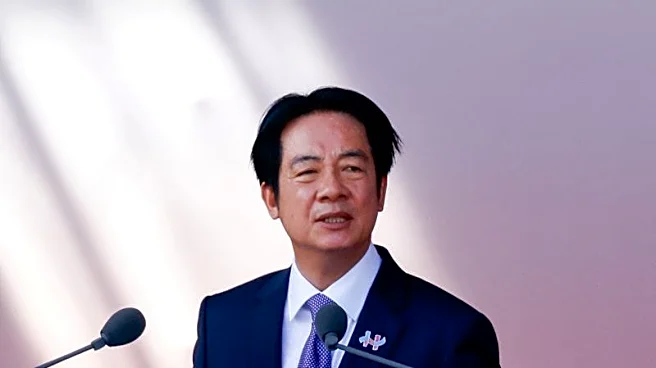
CBS News anchor Tony Dokoupil is reporting from Taipei, Taiwan, after the network failed to secure a visa for him to cover President Trump's visit to Beijing. This oversight has been criticized as a significant misstep, with sources describing the situation
as 'very sloppy' and 'stupid.' The network's failure to obtain the necessary visa in time left Dokoupil unable to join other major network anchors, such as Tom Llamas of NBC News and David Muir of ABC News, who are covering the event in Beijing. CBS News editor in chief Bari Weiss had intended for Dokoupil to be in Beijing, but the visa application was delayed, leading to the decision to send him to Taiwan instead. This move has been seen as controversial, given the sensitive geopolitical tensions between China and Taiwan.
Why It's Important?
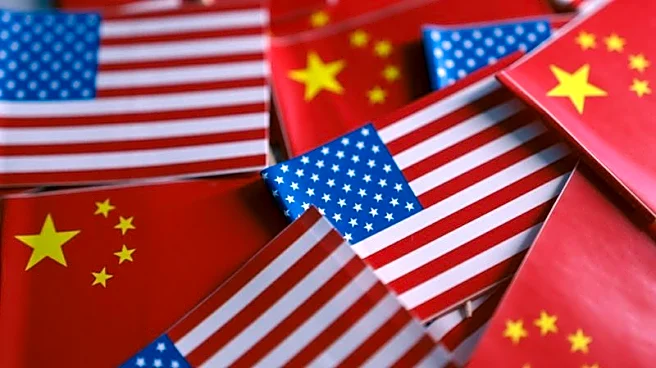
The incident highlights the challenges and complexities of international news coverage, particularly in regions with sensitive political dynamics. CBS News' decision to send Dokoupil to Taiwan could strain relations with China, which views Taiwan as part of its territory. This situation underscores the importance of meticulous planning and foresight in international journalism, especially when covering high-stakes diplomatic events. The network's ratings have been struggling, and this misstep could further impact its credibility and viewership. Additionally, the decision to report from Taiwan during President Trump's visit to China could have broader implications for U.S.-China relations, as it touches on the contentious issue of Taiwan's sovereignty.
What's Next?
CBS News may face diplomatic repercussions from China due to the decision to report from Taiwan. The network will need to manage the fallout and address any potential backlash from both Chinese authorities and its audience. Internally, CBS News might reassess its planning and logistical strategies to prevent similar issues in the future. The situation also places additional pressure on Tony Dokoupil to deliver impactful reporting from Taiwan, which could influence the network's ratings and reputation. As President Trump's visit to China continues, the focus will remain on how CBS News navigates this diplomatic and journalistic challenge.
Beyond the Headlines
This incident raises questions about the role of media in international diplomacy and the ethical considerations of reporting from politically sensitive locations. The decision to broadcast from Taiwan, despite the potential for diplomatic tension, highlights the delicate balance media organizations must maintain between journalistic integrity and geopolitical realities. The situation also reflects broader trends in media competition, where networks strive to provide exclusive coverage, sometimes at the risk of diplomatic faux pas. Long-term, this could influence how media outlets approach international coverage, particularly in regions with complex political landscapes.