



What's Happening?
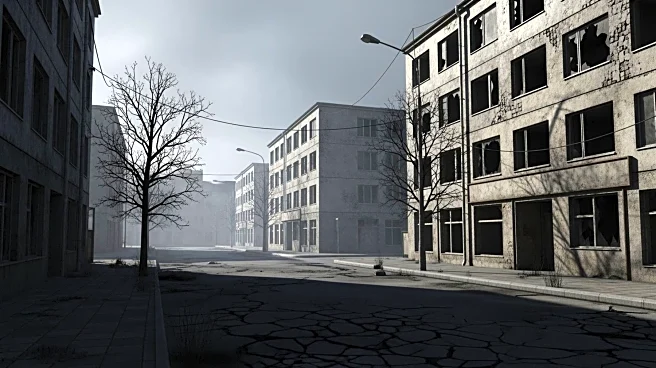
In Russian-occupied areas of Ukraine, residents are enduring harsh living conditions, including significant issues with water, heat, and housing. Nearly four years into the full-scale invasion, Russia controls approximately 20% of Ukrainian territory,
affecting an estimated 3 to 5 million people. These regions, including Donetsk, Luhansk, Kherson, and Zaporizhzhia, face systemic challenges as Russian forces impose citizenship, language, and cultural changes. Human rights activists report that many residents live in fear, with accusations of sympathizing with Kyiv leading to imprisonment, beatings, and even death. The Russian military has established a network of detention centers where Ukrainian civilians are held without charge. Despite these conditions, some residents have been forced to accept Russian citizenship to access basic services and compensation for destroyed homes.
Why It's Important?
The situation in Russian-occupied Ukraine highlights the severe humanitarian crisis and the ongoing geopolitical tensions in the region. The forced imposition of Russian culture and citizenship on Ukrainian residents raises significant human rights concerns. The deteriorating living conditions, coupled with the fear of persecution, underscore the challenges faced by civilians in conflict zones. This situation not only affects the immediate well-being of millions but also has broader implications for international relations and regional stability. The international community's response to these human rights violations could influence future diplomatic and economic engagements with Russia.
What's Next?
As the conflict continues, the international community may increase pressure on Russia through diplomatic channels and potential sanctions. Human rights organizations are likely to continue documenting abuses and advocating for the rights of affected civilians. The Ukrainian government and its allies may seek further support from international bodies to address the humanitarian needs and push for resolutions that respect Ukraine's sovereignty. The ongoing conflict and its impact on civilians will remain a critical issue in global discussions about security and human rights.
Beyond the Headlines
The forced cultural assimilation and citizenship changes in occupied Ukrainian regions could have long-term implications for the identity and social fabric of these areas. The psychological impact on residents, particularly children, who are subjected to a new educational curriculum, may affect future generations. Additionally, the destruction of infrastructure and the displacement of populations could hinder post-conflict recovery and reconciliation efforts. The situation also raises questions about the effectiveness of international law and the mechanisms available to protect civilians in conflict zones.