






What's Happening?
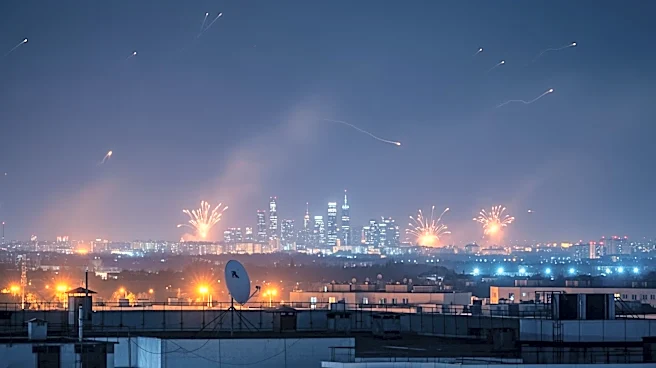
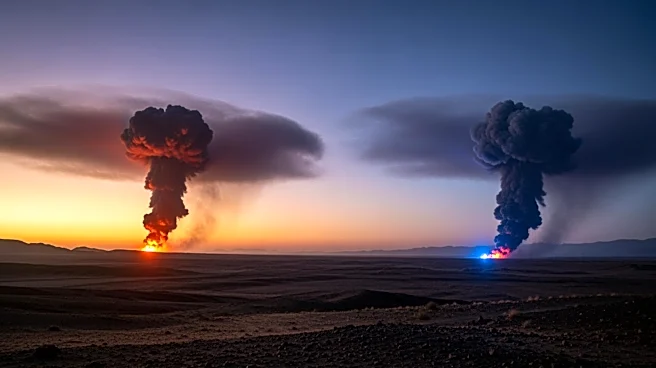
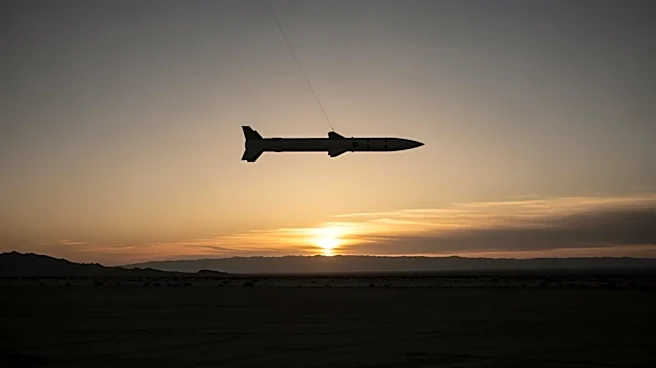
Israel and Iran have engaged in a series of military strikes, marking the first direct confrontation since an April ceasefire. The Israeli Defense Forces targeted Iranian military sites in western and central Iran following missile attacks from Iran.
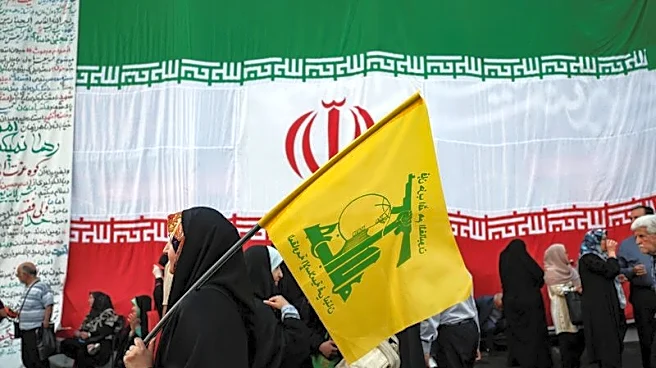
These hostilities were triggered by Israel's earlier strikes on Beirut's southern suburbs, allegedly in response to Hezbollah's actions. The escalation has led to a surge in oil prices, reflecting the heightened tensions in the region. President Trump has commented on the situation, suggesting that both nations are seeking an immediate ceasefire, although no formal agreement has been reached.
Why It's Important?
The renewed conflict between Israel and Iran could destabilize the Middle East, impacting global oil markets and international relations. The U.S. has a vested interest in the region's stability, given its strategic alliances and economic interests. The conflict could also influence U.S. foreign policy, particularly regarding nuclear negotiations with Iran. The situation underscores the fragile nature of peace in the region and the potential for rapid escalation into broader conflict, affecting global security and economic stability.
What's Next?
The international community, including the U.S., may increase diplomatic efforts to de-escalate the situation. Potential negotiations could focus on a ceasefire and addressing underlying tensions, such as Iran's nuclear ambitions. The outcome of these efforts will likely influence regional alliances and the broader geopolitical landscape. Monitoring the situation closely will be crucial for stakeholders involved in Middle Eastern affairs.