





What's Happening?
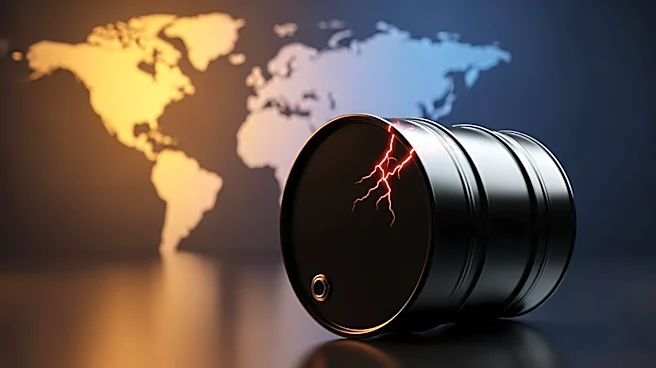
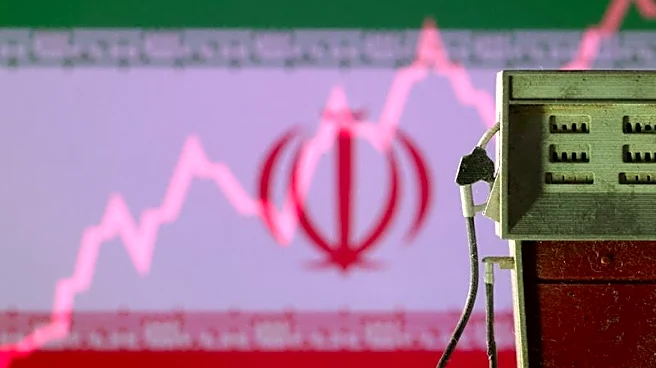
The ongoing conflict in the Middle East, particularly the U.S.-Israeli attack on Iran, has led to a significant increase in global oil and gas prices. This surge is expected to impose up to a trillion dollars in additional costs on the global economy.
Despite the economic strain, petroleum companies, especially those outside the Gulf region, are reporting substantial profits. BP, for instance, announced that its first-quarter profits more than doubled due to the price hikes. The situation has sparked calls for a windfall tax on these excess profits to fund social protection and renewable energy investments.
Why It's Important?
The disparity between the profits of oil companies and the economic burden on consumers highlights the uneven impact of the crisis. Elevated fuel prices contribute to inflation, affecting food and transportation costs, and potentially leading to budget cuts in essential services like education and healthcare. The crisis underscores the global dependency on fossil fuels and the urgent need for a transition to renewable energy sources. It also raises concerns about energy security and the economic vulnerability of countries heavily reliant on oil imports.
What's Next?
The situation may prompt governments to reconsider their energy policies, focusing on reducing fossil fuel dependency and increasing investments in renewable energy. The call for a windfall tax on oil profits could gain traction, potentially leading to legislative action. Additionally, the crisis might accelerate international efforts to address climate change and promote sustainable energy solutions. Countries affected by the economic impact may seek debt relief and financial support to manage the crisis's fallout.