






What's Happening?
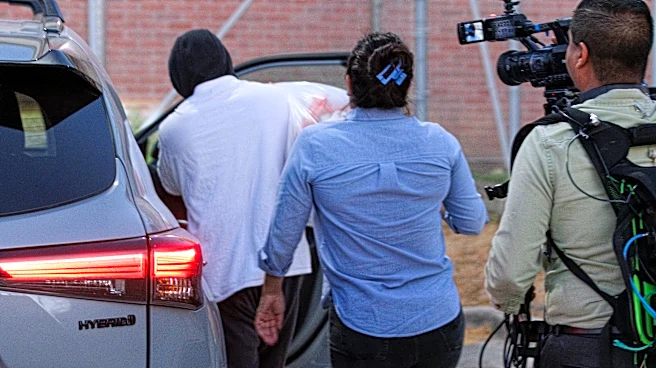
Tulsa Police recently arrested Keith Overstreet, identified as a serial car burglar with a history of theft crimes spanning over 20 years. Authorities state that each time Overstreet is released, there is a noticeable increase in car burglaries. He was
apprehended during a sting operation where he allegedly attempted to steal items from an undercover car parked at a park. Overstreet has multiple prior convictions and was most recently released from prison in 2024. First Assistant Tulsa County District Attorney Erik Grayless noted that Overstreet has consistently exploited legal loopholes. Prosecutors face challenges in handling property crimes due to lower punishment ranges, victims' reluctance to testify, and insufficient evidence leading to case dismissals. Stealing from a car is now classified as a third-degree burglary, which carries a lower range of punishment. Overstreet is currently out on bond for four new counts of third-degree burglary, and prosecutors intend to use his previous convictions to seek a harsher sentence.
Why It's Important?
The case of Keith Overstreet highlights significant challenges within the criminal justice system regarding repeat offenders and property crimes in Tulsa County. The cycle of arrest, release, and re-offense places a continuous burden on law enforcement resources and erodes public trust. The lower punishment ranges for property crimes, coupled with victims' unwillingness to cooperate, can disincentivize prosecution and allow serial offenders to continue their activities. This situation impacts the safety and security of citizens, particularly those who become victims of repeated thefts. The statement from First Assistant Tulsa County DA Erik Grayless, suggesting that some criminal justice reform laws have inadvertently hindered law enforcement, points to a broader debate about the balance between reform and public safety. The ability of prosecutors to use prior convictions to enhance sentences is a critical tool for holding repeat offenders accountable, but its effectiveness can be limited by other systemic factors. This issue affects community well-being, resource allocation for police and courts, and public confidence in the justice system.
What's Next?
Tulsa County prosecutors plan to leverage Keith Overstreet's extensive criminal history to seek an enhanced sentence for his new charges of third-degree burglary. This strategy aims to overcome the challenges posed by lower punishment ranges for property crimes. The outcome of this case could influence how similar serial offender cases are handled in the future, potentially leading to more aggressive prosecution tactics for repeat offenders. Law enforcement will likely continue to employ sting operations and other investigative methods to apprehend individuals engaged in persistent property crimes. There may also be ongoing discussions among legal professionals and policymakers regarding the effectiveness of current criminal justice reform laws, particularly concerning their impact on the prosecution of repeat property offenders. Public awareness campaigns might be initiated to encourage victims to cooperate with law enforcement, emphasizing the importance of their testimony in holding offenders accountable and preventing further victimization. The community will be watching to see if these efforts lead to a reduction in property crime rates.
Beyond the Headlines
The persistent issue of serial offenders like Keith Overstreet reveals deeper societal and systemic issues beyond individual criminal acts. The repeated nature of his offenses suggests a potential lack of effective rehabilitation or deterrents within the current system. This raises questions about the adequacy of post-incarceration support, such as job training, housing, and mental health services, which could help break the cycle of re-offense. The reluctance of victims to testify, often due to inconvenience or a perception that the justice system is ineffective, points to a need for greater victim support and engagement. Furthermore, the debate over criminal justice reform laws and their impact on law enforcement's ability to prosecute property crimes highlights a tension between reducing incarceration rates and ensuring public safety. This situation could lead to a re-evaluation of sentencing guidelines for property crimes, potentially advocating for more stringent penalties for repeat offenders. Ultimately, addressing this issue requires a holistic approach that considers not only punishment but also prevention, rehabilitation, and community engagement to foster a more secure and just society.