
What's Happening?
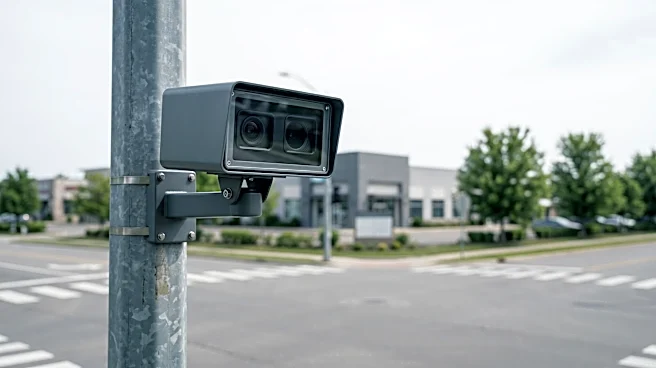
Two more Massachusetts towns, East Bridgewater and Grafton, have announced the termination of their contracts with Flock Safety, a company providing automated license plate reader (ALPR) technology. East Bridgewater Police
Chief Michael Jenkins cited "concerns regarding data practices and security" and community feedback as reasons for discontinuing the program. Grafton Police Chief Neil A. Minardi also confirmed the deactivation of all Flock devices due to growing community concerns and incidents of vandalism and theft. These decisions follow similar actions by other Massachusetts communities, including Hopkinton, which terminated its contract after a legal review found deficiencies, and Lynn, where two police officers were placed on administrative leave following an audit of ALPR searches. New Bedford temporarily halted its use of Flock after an officer was accused of misusing the system to track an ex-girlfriend. Salem and Framingham have also ended their relationships with Flock Safety, with Cambridge severing ties last year after cameras were allegedly deployed without local official awareness. The American Civil Liberties Union of Massachusetts reported in July that at least 80 police departments in the state had active contracts with Flock Safety.
Why It's Important?
The widespread termination and pausing of Flock Safety contracts across Massachusetts highlight a growing national debate over data privacy, surveillance technology, and accountability in law enforcement. The concerns raised by these towns, ranging from data security and privacy practices to potential misuse by police officers, underscore the challenges of integrating advanced surveillance tools into public safety. This trend indicates a shift in public and municipal sentiment, prioritizing individual privacy rights and robust oversight mechanisms over the perceived benefits of such technologies. The incidents of alleged misuse, such as an officer tracking an ex-girlfriend, and the legal deficiencies found in contracts, suggest a need for stricter regulations and clearer guidelines for the deployment and operation of ALPR systems. This could lead to a reevaluation of similar contracts nationwide, potentially influencing how other cities and states approach the adoption of surveillance technologies and demanding greater transparency and accountability from vendors.
What's Next?
Following these terminations, it is likely that other Massachusetts communities currently using Flock Safety or similar ALPR technologies will face increased scrutiny and pressure from residents and civil liberties advocates to review their contracts and data practices. Flock Safety has already announced new measures to strengthen privacy, accountability, and security, including requiring auditing tools for abnormal search behavior, reducing data retention periods, and giving cities more control over data-sharing. However, the effectiveness of these measures in addressing the fundamental concerns about privacy and potential misuse remains to be seen. Lawmakers and municipal leaders may consider developing more comprehensive state-level regulations for ALPR technology, focusing on data governance, access controls, and independent oversight. This could set a precedent for other states grappling with similar issues, potentially leading to a more standardized and privacy-conscious approach to surveillance technology deployment across the U.S.
Beyond the Headlines
The controversy surrounding Flock Safety cameras extends beyond immediate privacy concerns, touching upon the broader societal implications of pervasive surveillance and the erosion of anonymity in public spaces. The ability of ALPR systems to collect and store vast amounts of location data on individuals, often without their knowledge or consent, raises fundamental questions about civil liberties and the balance between security and freedom. The incidents of alleged misuse by law enforcement highlight the ethical dilemmas associated with powerful technologies and the critical need for robust checks and balances to prevent abuse. This situation also underscores the digital divide in privacy, where individuals may have little recourse when their data is collected by private companies and shared with government agencies. The ongoing debate will likely shape future legal frameworks and public expectations regarding data ownership, consent, and the limits of governmental and corporate surveillance in an increasingly interconnected world.