






What's Happening?
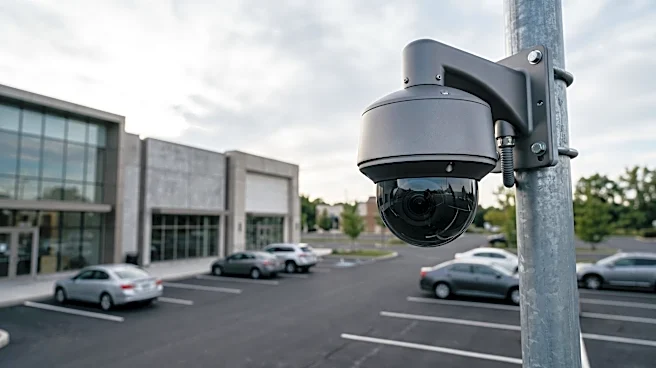
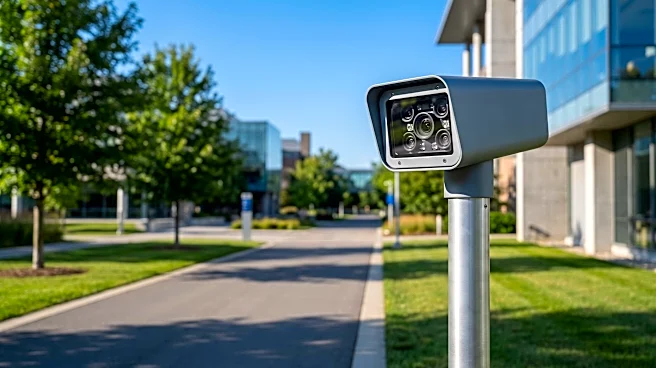
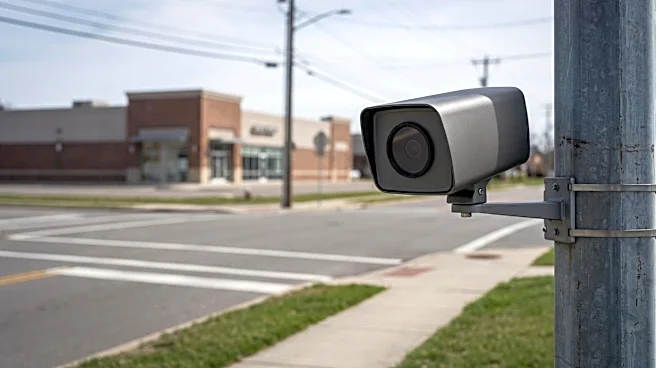
Coastal Carolina University (CCU) has installed automated license plate readers (ALPRs) across its campus as part of its safety efforts, a move that has generated mixed reactions and privacy concerns among students. These ALPRs capture license plate numbers
and vehicle information, expanding the university's existing network of security cameras. While some students acknowledge the potential safety benefits, others express discomfort, viewing the technology as an intrusion on their privacy. Many students reported being unaware of the installation, and questions have been raised regarding who can access the collected data and how long it will be retained. Students like Georgia Verbel find the lack of transparency about camera locations "a little weird," while Caleb Benton feels it's an "invasion of privacy." The CCU student paper recently published an article discussing these cameras, further highlighting student concerns about the potential uses and oversight of the collected information.
Why It's Important?
The installation of ALPRs at Coastal Carolina University reflects a growing trend among educational institutions to enhance security through advanced surveillance technology. While the stated goal is campus safety, the resulting student privacy concerns highlight a critical tension between security measures and individual rights. This situation is important because it mirrors broader societal debates about surveillance in public and semi-public spaces, particularly concerning data collection, retention, and access. For students, the feeling of being constantly monitored can impact their sense of autonomy and freedom within the university environment. The lack of transparency regarding the technology's implementation and data policies can erode trust between the administration and the student body. This case underscores the need for clear communication, robust privacy policies, and potentially independent oversight when deploying such powerful surveillance tools, especially in settings where young adults are developing their understanding of privacy and civil liberties.
What's Next?
Coastal Carolina University will likely face continued pressure from students and potentially faculty to address the privacy concerns surrounding the newly installed ALPRs. This could lead to the university issuing more detailed statements regarding its data collection, storage, and access policies for the ALPR system. Students and campus organizations may advocate for greater transparency, clearer guidelines on data usage, and potentially the establishment of an oversight committee. The university might also consider holding town halls or forums to engage with the student body and address their questions directly. Depending on the level of pushback, CCU may need to re-evaluate the scope of its ALPR deployment or implement stricter protocols to balance security needs with privacy expectations. This situation could also serve as a case study for other universities considering similar surveillance technologies, prompting them to adopt more proactive communication and policy development strategies.
Beyond the Headlines
The debate at Coastal Carolina University over ALPRs extends beyond campus security, touching on fundamental questions about privacy in the digital age and the evolving nature of institutional control. The deployment of such technology in an educational setting, where intellectual freedom and personal development are paramount, raises ethical considerations about the creation of a 'surveillance culture.' This could inadvertently stifle open expression and critical thinking if students feel constantly observed. Furthermore, the data collected by ALPRs, even if anonymized, contributes to a larger ecosystem of information that could potentially be linked with other data points, creating comprehensive profiles of individuals. This scenario highlights the need for robust legal and ethical frameworks governing the use of surveillance technologies, not just in universities but across all sectors. It also underscores the importance of digital literacy and privacy education for students, empowering them to understand and advocate for their rights in an increasingly monitored world.