





What's Happening?
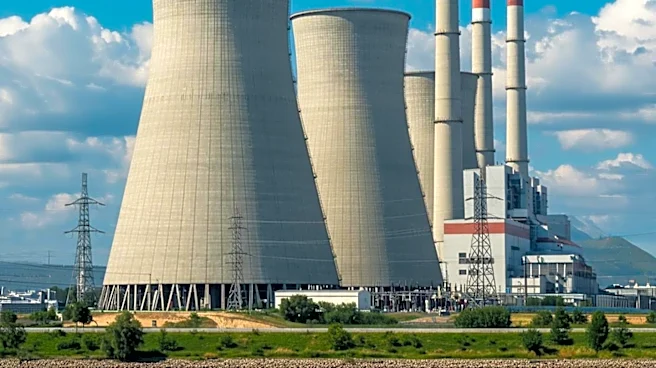
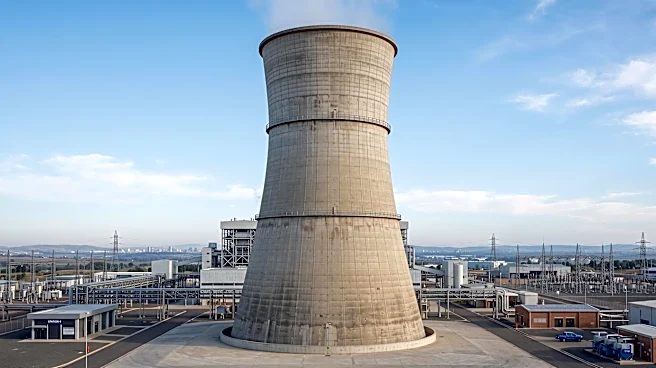
Researchers at the University of Central Florida (UCF) have developed a new modeling approach that enables nuclear power plants to adjust electricity output in response to grid demand without frequently reducing reactor power. This innovative system integrates
molten salt reactors with thermal energy storage. The core idea is to store excess heat generated by the reactor during periods of low electricity demand and then release this stored heat to produce additional power when demand increases. This method allows the nuclear reactor to maintain a steady operating level, which is generally more efficient and less challenging operationally, while the electricity generation system can flexibly adjust its output. The study combined thermodynamic modeling with an economic analysis to assess how storing and releasing reactor heat could enhance operational flexibility and help nuclear plants respond to fluctuating electricity prices, particularly in grids with high penetration of intermittent renewable energy sources like solar and wind.
Why It's Important?
This modeling approach is crucial for the future integration of nuclear power with renewable energy sources in the U.S. grid. Conventional nuclear plants are typically designed for continuous operation, making it difficult for them to adapt to rapid fluctuations in electricity demand caused by variable renewable generation. By enabling nuclear plants to become more flexible, this technology can help stabilize the grid, ensuring a reliable power supply even as the share of renewables grows. This flexibility could also improve the economic viability of nuclear power by allowing plants to store energy when prices are low and sell it when prices are high, thereby maximizing revenue. The ability to maintain steady reactor operation while adjusting electricity output addresses a key operational challenge for nuclear facilities, potentially extending their lifespan and reducing maintenance costs associated with frequent power cycling.
What's Next?
The current research is a modeling study, meaning the integrated system has not yet been demonstrated at an operating nuclear power plant. The next steps would involve pilot projects and real-world testing to validate the model's effectiveness and feasibility. This would include constructing and operating a thermal energy storage system alongside a molten salt reactor to gather empirical data on performance, efficiency, and economic benefits. Further research will likely focus on optimizing the design of thermal storage systems, refining control strategies for heat management, and conducting detailed cost-benefit analyses for commercial deployment. Collaboration between research institutions, nuclear operators, and energy companies will be essential to transition this modeling approach into practical application, potentially leading to the widespread adoption of such flexible nuclear power solutions.
Beyond the Headlines
The UCF research highlights a broader shift in how nuclear power is perceived and integrated into modern energy grids. Traditionally viewed as a baseload power source, nuclear energy is now being re-evaluated for its potential to provide flexible, dispatchable power. This evolution is critical for achieving decarbonization goals, as it allows nuclear power to complement renewables rather than compete directly with them. The integration of thermal storage also opens avenues for other advanced reactor designs to contribute to grid stability. Furthermore, this approach could foster innovation in energy storage technologies, potentially leading to breakthroughs applicable beyond nuclear power. The economic implications are significant, as it could make nuclear power more competitive in dynamic energy markets, attracting further investment and accelerating the transition to a low-carbon energy future. This research underscores the importance of interdisciplinary approaches, combining nuclear engineering, thermodynamics, and economic analysis, to solve complex energy challenges.