










What's Happening?
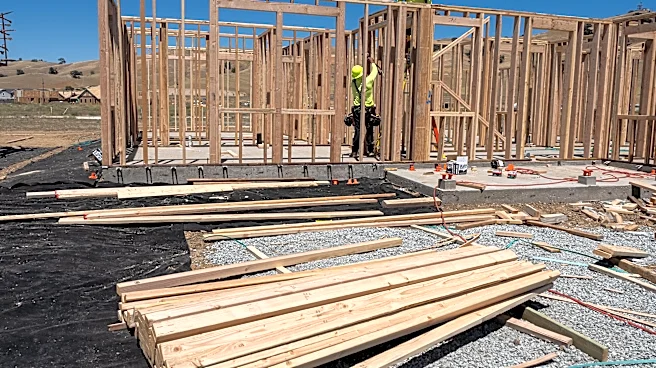
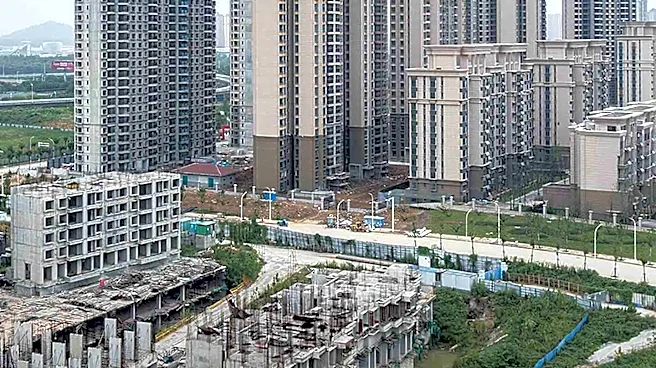
The U.S. rental market is experiencing contrasting trends, with some cities seeing a decline in rent prices while others face increases. Cities like Denver and Austin have witnessed rent reductions due to new construction and cooling demand, providing
relief to tenants. Conversely, cities such as San Francisco and Chicago are experiencing rising rents, driven by renewed demand and limited housing supply. This divergence highlights the varying impacts of supply and demand dynamics across different regions.
Why It's Important?
The contrasting rental trends across U.S. cities underscore the importance of housing supply in determining rent prices. Cities that have invested in new construction are offering tenants more affordable options, while those with limited supply face rising costs. This situation affects renters' financial stability and can influence migration patterns as individuals seek more affordable living conditions. Understanding these dynamics is crucial for policymakers and developers aiming to address housing affordability and ensure balanced growth across regions.
What's Next?
As the rental market continues to evolve, cities with rising rents may need to implement policies to encourage new construction and address supply constraints. Meanwhile, cities with falling rents might focus on maintaining a balance between supply and demand to prevent future price spikes. Stakeholders, including government officials and real estate developers, will likely monitor these trends closely to inform decision-making and strategic planning in the housing sector.