


What's Happening?
Rwanda, represented by Minister Maj. Gen. (Rtd) Albert Murasira, participated in an Extra-Ordinary Joint Sectoral Council meeting in Nairobi, Kenya, focused on regional preparedness and response to the anticipated El Niño phenomenon. The meeting brought
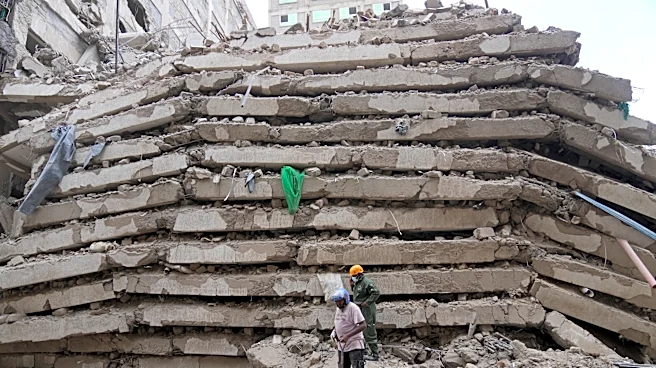
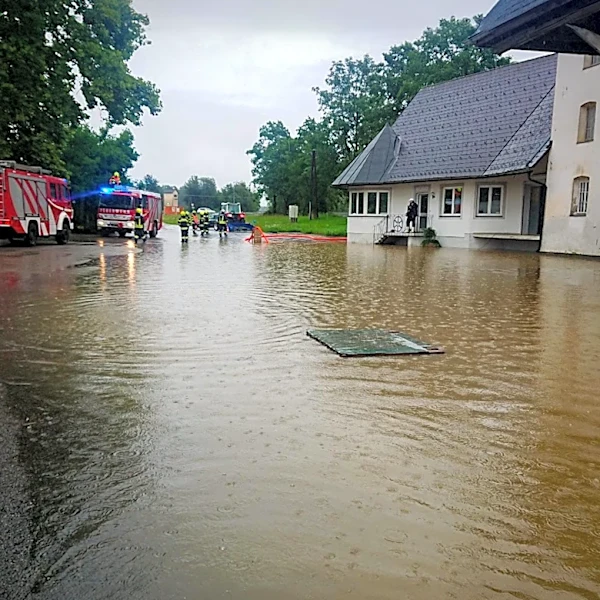
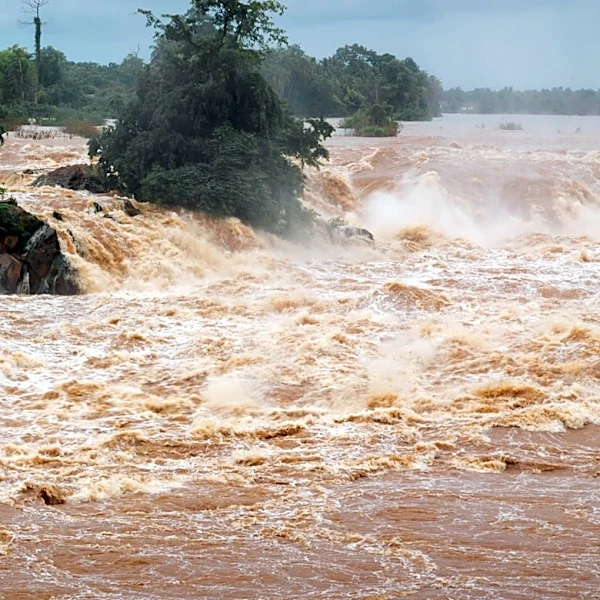
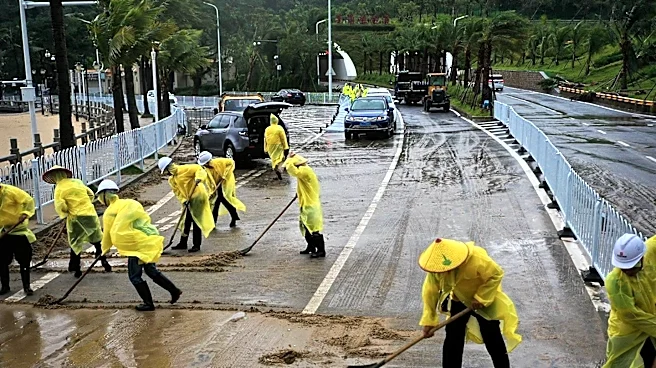
together East African Community (EAC) Partner States to enhance cooperation and coordinate measures against potential climate-related hazards. Minister Murasira highlighted Rwanda's vulnerability to climate-related events such as floods, landslides, and strong winds, noting that the country has already begun experiencing some impacts of extreme weather. He emphasized the necessity of collective action, timely information sharing, and proactive preparedness to address these cross-border challenges. The discussions aimed to provide strategic direction for coordinated regional action, building on technical preparations by permanent secretaries, senior officials, and experts from Partner States and the EAC Secretariat.
Why It's Important?
The collaborative effort among EAC Partner States, including Rwanda, to address El Niño's anticipated impacts is crucial for regional stability and economic resilience. Climate-related hazards do not respect national borders, and their consequences can significantly affect communities, infrastructure, livelihoods, food security, public health, and regional economic activities. By strengthening regional coordination and cooperation, these nations aim to mitigate risks, prepare for potential impacts, and ensure effective disaster response. This proactive approach is vital for minimizing disruptions to businesses and the movement of people and goods across the region, which are essential for economic growth and development. The shared concern over El Niño underscores the importance of vigilance and flexibility in the face of uncertain weather forecasts, making coordinated action and timely information exchange indispensable for protecting critical infrastructure and populations.
What's Next?
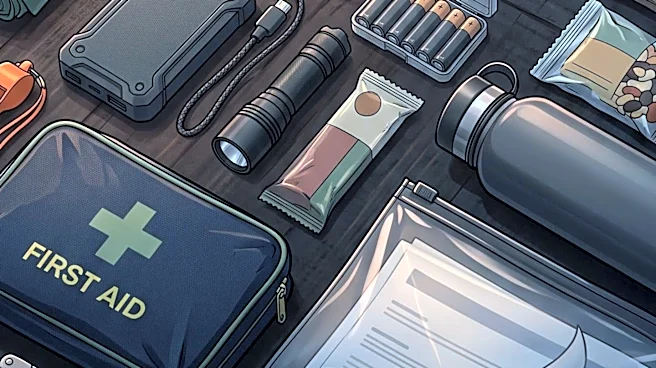
Rwanda has reaffirmed its commitment to working closely with other EAC Partner States to strengthen regional preparedness and response efforts. The Ministerial Session's discussions are expected to lead to the development of regional contingency plans and corrective measures. These plans will aim to minimize disruptions to businesses and the movement of people and goods across the region in the event of El Niño-related impacts. Continued vigilance and flexibility will be required from all participating countries, given the inherent uncertainties in weather forecasts. The focus will remain on coordinated action and timely exchange of information to enhance preparedness and protect communities and critical infrastructure from the anticipated climate-related hazards.
Beyond the Headlines
The regional cooperation demonstrated by Rwanda and other EAC Partner States in addressing climate change impacts highlights a growing recognition of shared environmental vulnerabilities. This collaborative model could serve as a blueprint for other regions facing similar transboundary environmental challenges. Beyond the immediate concerns of El Niño, such initiatives foster deeper diplomatic ties and economic integration within the EAC, as member states realize the mutual benefits of collective action. The emphasis on developing regional contingency plans also reflects a shift towards more resilient and adaptive governance structures, acknowledging that national efforts alone are insufficient to tackle global environmental phenomena. This proactive stance on climate preparedness can also attract international support and investment in climate adaptation strategies for the region.