





What's Happening?
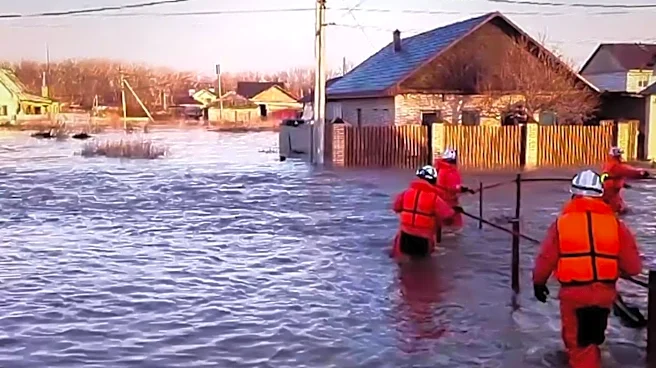
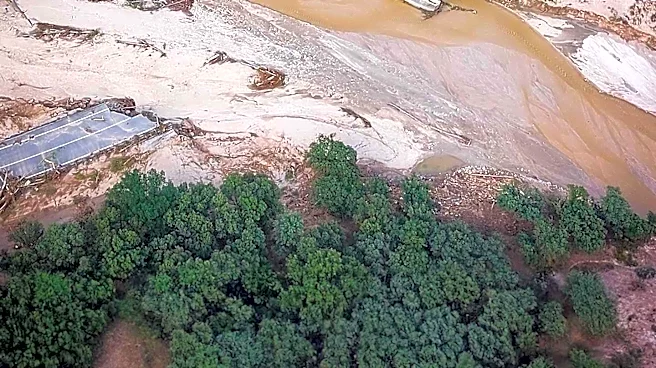
Oklahoma firefighters have concluded a 15-day deployment to New Mexico, where they assisted communities affected by widespread flooding. According to the Oklahoma City Fire Department (OKCFD), members of the Oklahoma Task Force traveled over 3,000 miles,
conducting water rescues, supporting evacuations, and aiding flood victims. A notable rescue occurred on October 30, involving crews from both Oklahoma City and Tulsa, who collaborated to save a bull and 20 cattle stranded on a flooded ranch in the Los Lunas and Socorro region. Firefighters utilized rafts to navigate deep mud and 3 to 4 feet of floodwater, even digging a cow trapped up to its neck in mud using boat paddles. The rescued cattle were then guided through the floodwater with grain and encouragement into waiting livestock trailers, helping a local rancher protect his animals and livelihood.
Why It's Important?
This deployment highlights the critical role of inter-state mutual aid agreements and specialized emergency response teams in addressing large-scale natural disasters within the U.S. The Oklahoma Task Force's efforts not only provided immediate relief and safety to human flood victims but also extended to animal rescue, which is vital for agricultural communities. Protecting livestock directly impacts the economic stability and livelihoods of ranchers, preventing significant financial losses and emotional distress. The successful coordination between different fire departments, like Oklahoma City and Tulsa, demonstrates effective resource allocation and collaboration during emergencies, setting a precedent for future disaster responses across state lines. Such operations underscore the importance of well-trained and equipped first responders in mitigating the broader impacts of natural calamities.
What's Next?
Following their return, the Oklahoma City Fire Department and other participating agencies will likely conduct a debriefing to evaluate the effectiveness of their deployment, identify lessons learned, and refine future disaster response protocols. This assessment could lead to updates in training, equipment, and inter-agency coordination strategies for similar events. Local authorities in New Mexico will continue their recovery efforts, which may include long-term infrastructure repairs, assistance programs for affected residents and businesses, and measures to enhance flood preparedness. The successful animal rescue operations may also prompt discussions on improving animal evacuation and care plans during natural disasters, potentially influencing agricultural and emergency management policies at state and local levels.
Beyond the Headlines
The deployment of Oklahoma firefighters to New Mexico transcends a simple rescue mission, illustrating the profound sense of community and shared responsibility that often emerges during crises. Beyond the immediate physical aid, such efforts foster goodwill and strengthen bonds between states, reinforcing the idea of a collective national response to adversity. The focus on rescuing livestock also sheds light on the often-overlooked emotional and economic toll natural disasters inflict on agricultural communities. For many ranchers, their animals represent not just assets but a way of life and a family legacy. The act of saving these animals provides a sense of hope and continuity, contributing to the psychological recovery of affected individuals and the resilience of rural economies. This collaborative spirit and comprehensive approach to disaster relief underscore a broader societal value placed on mutual support and the protection of all forms of life during emergencies.