




What's Happening?
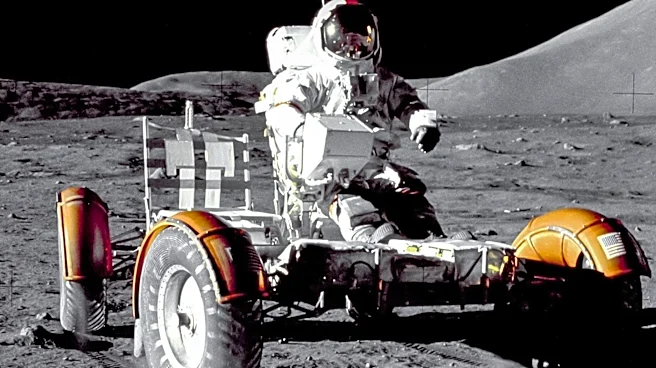
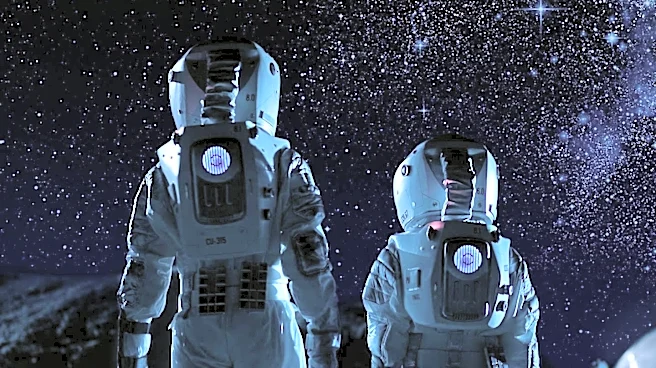
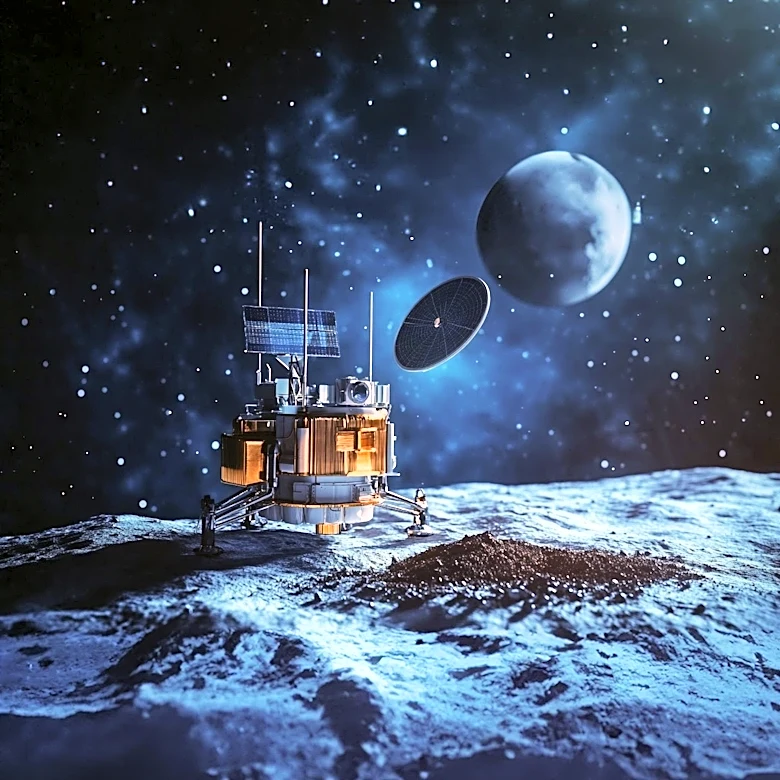
A recent study led by Anamaria Berea, a computational social scientist at George Mason University, has explored the optimal conditions for staffing NASA's future moon base. The study, published in PLOS ONE, utilized agent-based models to simulate various
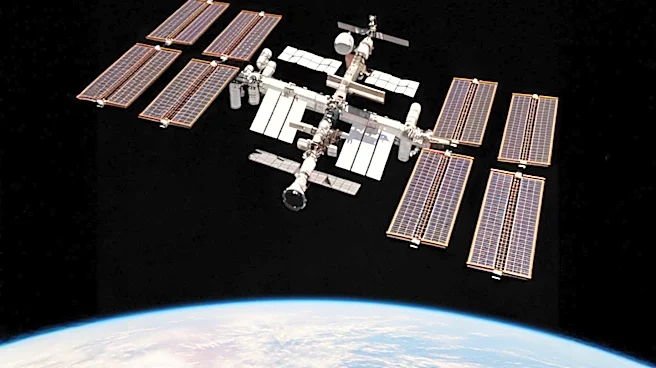
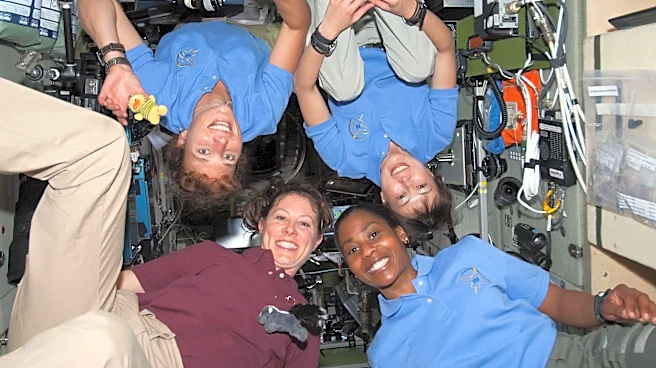
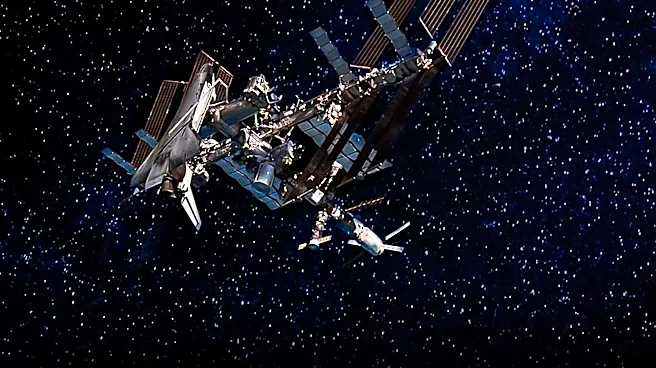
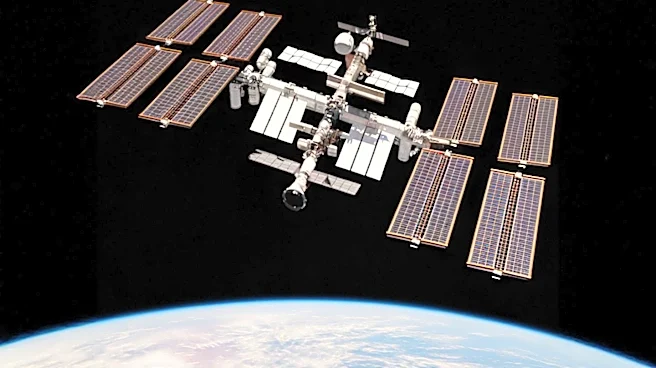
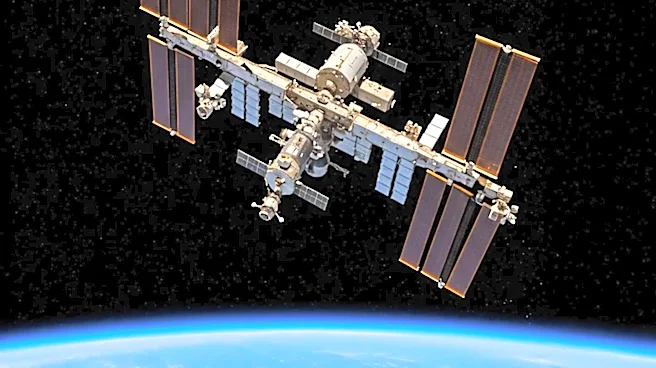
scenarios involving the number of astronauts and resupply missions. The research suggests that a team of six astronauts, with resupply missions every two weeks, would maximize productivity and mission success. The study highlights the challenges of psychological stressors and environmental disruptions, noting that a productivity rate of 20% was observed in simulations, which is considered acceptable for manufacturing processes. The study draws lessons from the International Space Station, where productivity is measured by crew time and scientific investigations.
Why It's Important?
The findings of this study are crucial for the planning and execution of future lunar missions. By identifying the optimal team size and resupply frequency, NASA can enhance the efficiency and safety of its moon base operations. The study's insights into psychological and environmental challenges are particularly significant, as they highlight the need for comprehensive mission planning that goes beyond technical training. This research could influence NASA's strategies for long-duration space missions, potentially impacting the design of future space habitats and the selection of astronaut teams. The study underscores the importance of understanding human factors in isolated environments, which is vital for the success of deep-space exploration.
What's Next?
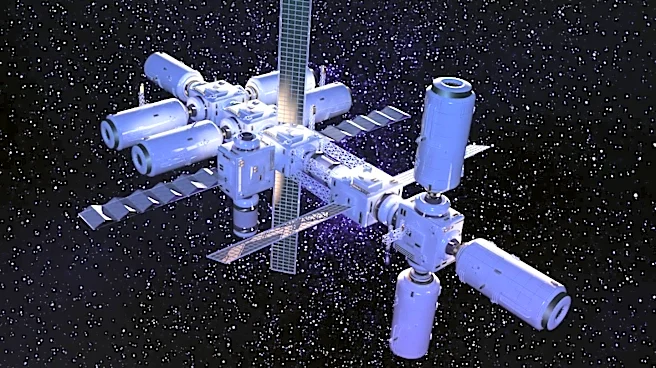
As NASA continues to develop its Artemis program, the insights from this study may inform the design and operation of the lunar outpost. Future research could focus on refining the models used in the study, incorporating more variables and real-world data from ongoing space missions. NASA may also consider conducting further simulations and experiments to validate the study's findings. The agency's approach to astronaut training and mission planning could evolve to address the psychological and environmental challenges identified in the study, ensuring that future lunar missions are both productive and safe.