





What's Happening?
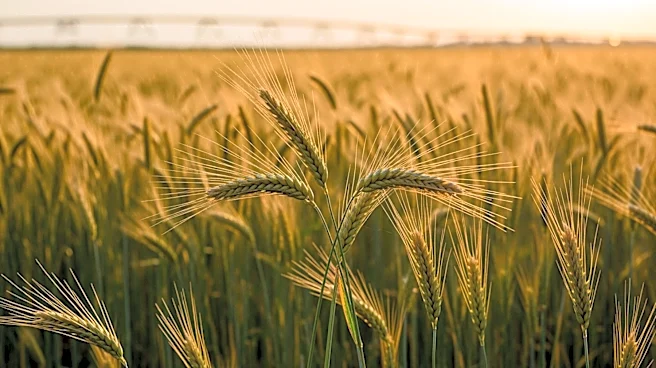
Weather models indicate a high probability of wet conditions during the summer grain harvesting period, with an 80% chance of an El Niño event developing later this year. Recent rainfall has affected large parts of South Africa, including the Northern
Cape, Eastern Cape, KwaZulu-Natal, and other regions. Farmers are concerned about potential challenges in harvesting due to continued wet conditions influenced by the La Niña event. Agricultural meteorologist Johan van den Berg notes that while La Niña typically supports rainfall through May, the upcoming El Niño could lead to below-average rainfall in the summer rainfall region.
Why It's Important?
The potential development of an El Niño event is significant for farmers and the agricultural industry, as it could lead to drier conditions and impact crop yields. The uncertainty surrounding weather patterns poses risks for planning and resource allocation, affecting economic stability in the agricultural sector. Farmers may need to adopt strategies to conserve soil moisture and mitigate the effects of variable rainfall. The situation underscores the importance of accurate weather forecasting and adaptive agricultural practices to ensure food security and economic resilience.
What's Next?
Farmers are advised to monitor weather forecasts closely and prepare for potential changes in rainfall patterns. Strategies such as soil moisture conservation and crop rotation may be necessary to adapt to drier conditions. The agricultural industry may seek support from government and research institutions to develop sustainable practices and technologies. As the likelihood of an El Niño event increases, stakeholders may engage in discussions on climate adaptation and resilience planning to address long-term impacts on agriculture.
Beyond the Headlines
The potential impact of an El Niño event highlights broader concerns about climate change and its effects on global agriculture. The situation may prompt discussions on sustainable farming practices and the need for investment in climate-resilient technologies. It also raises ethical considerations regarding resource allocation and support for vulnerable farming communities. The event could lead to increased collaboration between countries to address shared challenges in agriculture and climate adaptation.