

What's Happening?
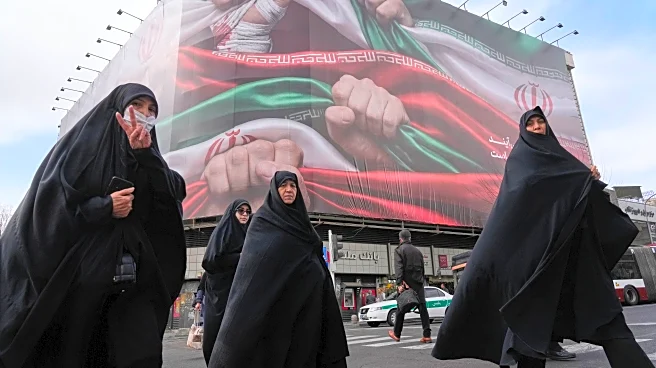
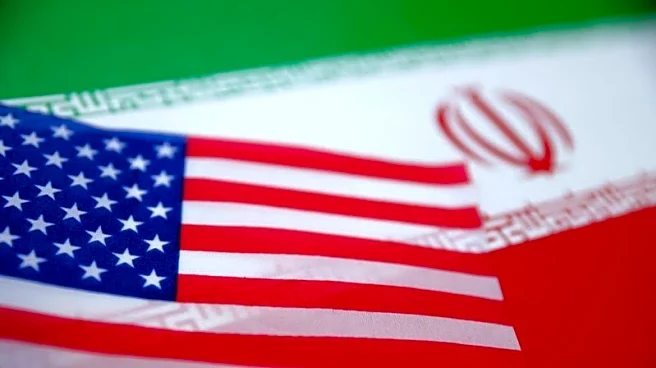
As nuclear talks between Iran and the United States approach, a senior Iranian official has called for the U.S. to withdraw its military assets from the region as a condition for negotiations. The talks, set to take place in Istanbul, will involve U.S. envoy
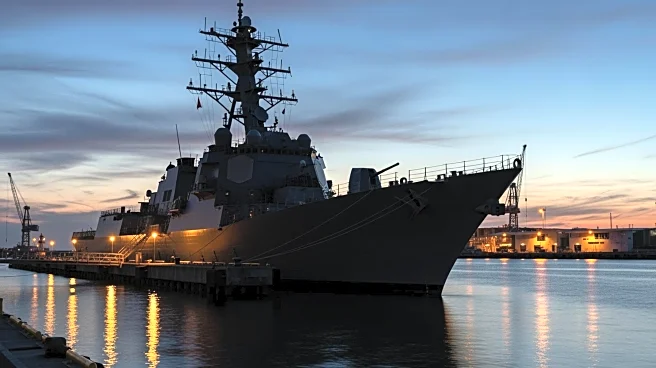
Steve Witkoff and Iranian Foreign Minister Abbas Araghchi, with participation from regional countries like Qatar and Egypt. The focus will be on Iran's nuclear program, with Iran refusing to discuss its missile capabilities. The U.S. has increased its military presence in the region, including naval exercises with Israel, which Iran views as a threat. The talks aim to prevent further escalation and potential conflict.
Why It's Important?
The demand for U.S. military withdrawal highlights the deep mistrust between the two nations and the complexity of the negotiations. The U.S. military presence is seen as a deterrent against Iranian aggression, but Iran perceives it as a provocation. The outcome of these talks could significantly impact regional security dynamics, with potential implications for U.S. military strategy and alliances in the Middle East. A successful negotiation could lead to a reduction in military tensions and a shift towards diplomatic solutions, while failure could increase the risk of conflict.
What's Next?
The Istanbul talks will test the willingness of both sides to compromise. The U.S. is likely to continue its demands for limits on Iran's nuclear and missile programs, while Iran seeks assurances against military threats. The involvement of regional players suggests a broader diplomatic effort to stabilize the Middle East. The outcome of these talks could influence future U.S. foreign policy and military decisions in the region, as well as Iran's relations with its neighbors.