





What's Happening?
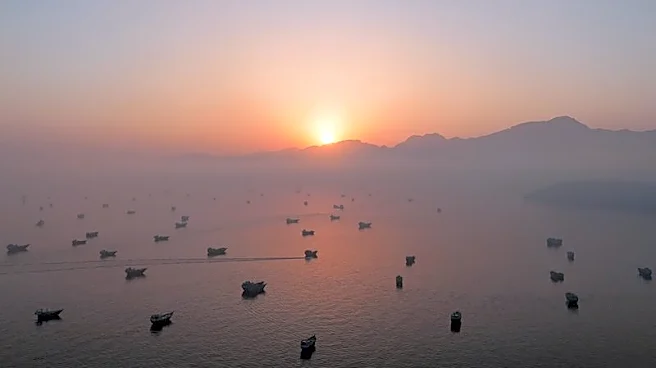
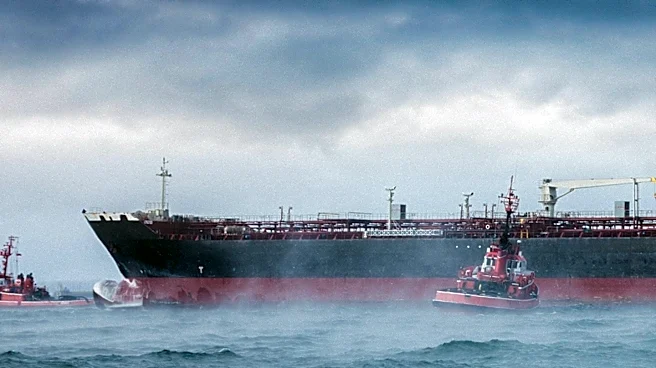
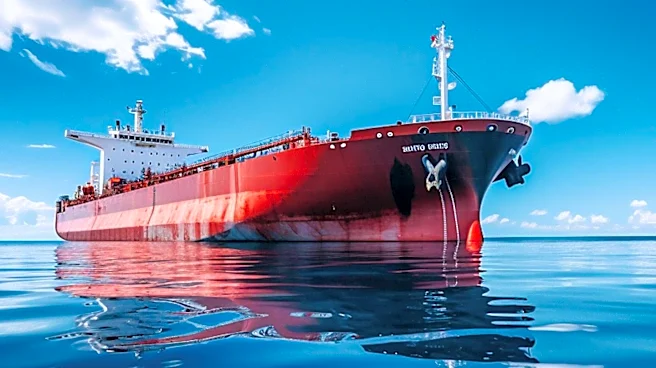
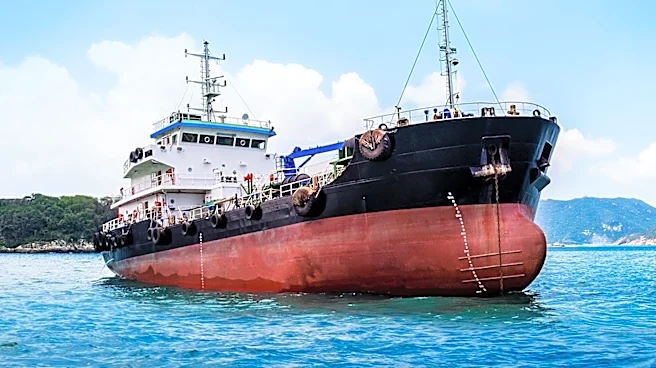
Oman is working to contain a significant oil spill from the tanker Caroline Bezengi, which has been stranded off its southern coast for over a month. The spill covers nearly 400 square kilometers and is within 7 kilometers of the coast. The tanker, part
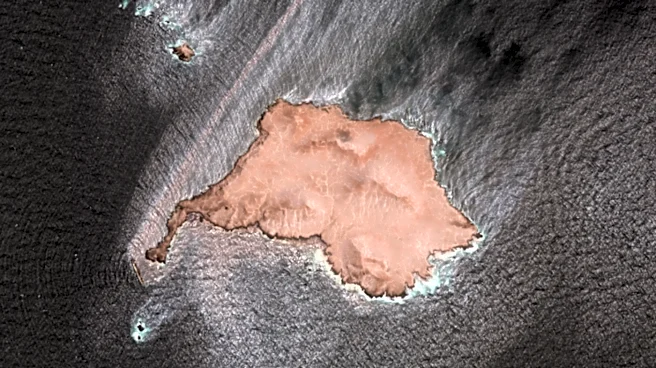
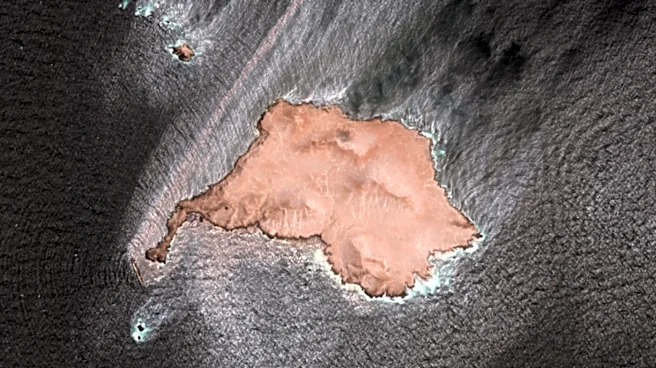
of Russia's 'shadow fleet' used to bypass Western sanctions, was damaged by an explosion, leading to the spill. The affected area includes the Hallaniyat archipelago, a marine reserve home to diverse marine life. Omani authorities are conducting aerial surveillance and deploying divers to manage the spill, while developing a plan to transfer the vessel's oil cargo to mitigate risks.
Why It's Important?
The oil spill poses a severe threat to Oman's marine biodiversity, including coral reefs and turtle nesting areas. The incident highlights the environmental risks associated with aging vessels in Russia's 'shadow fleet,' which are often criticized for poor maintenance and safety standards. The spill could lead to an environmental disaster, affecting marine ecosystems and local communities dependent on fishing and tourism. The situation underscores the need for stringent regulations and international cooperation to prevent similar incidents and protect marine environments from the impacts of oil spills.
What's Next?
Omani authorities are in the early stages of transferring the oil cargo to prevent further environmental damage. The incident may prompt increased scrutiny of Russia's 'shadow fleet' and calls for stricter enforcement of maritime safety standards. Environmental groups like Greenpeace are monitoring the situation and may advocate for stronger international regulations to prevent future spills. The outcome of Oman's containment efforts will be closely watched, as it could influence future policies on marine protection and oil transportation.