






What's Happening?
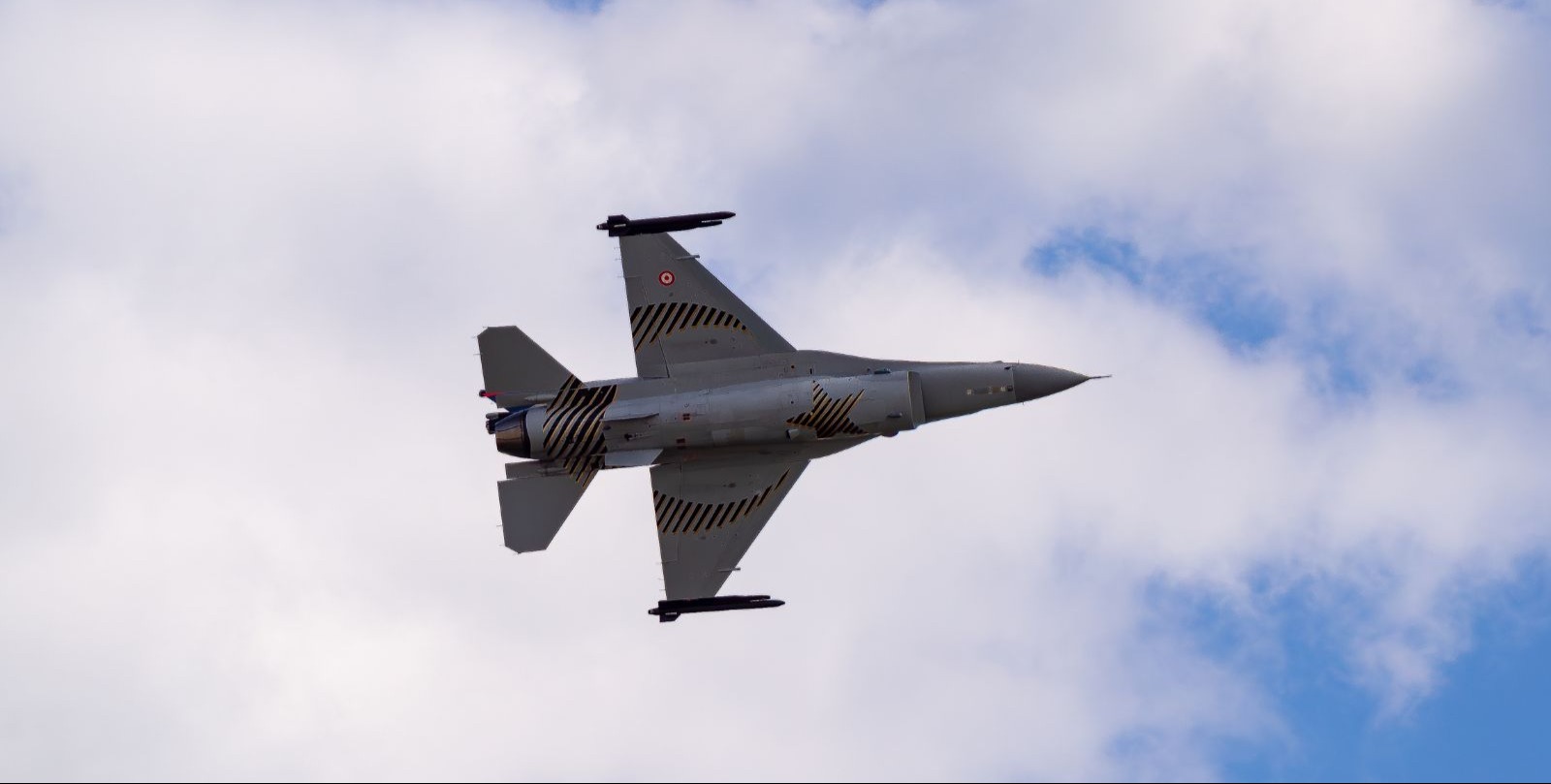
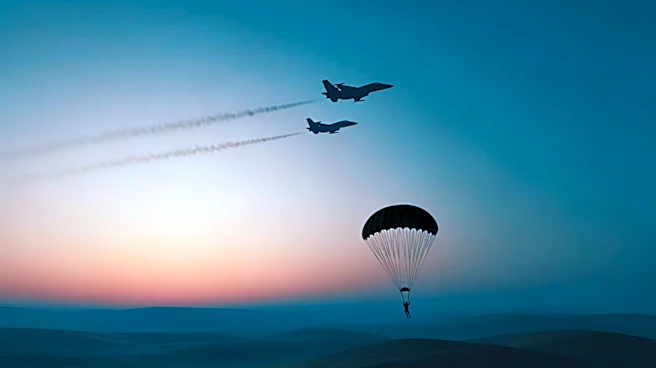
A second U.S. military aircraft, an A-10 Thunderbolt II, was struck by Iranian forces on Friday, leading to the pilot's ejection. This incident follows a previous attack on a U.S. F-15, highlighting escalating tensions between the U.S. and Iran. The U.S. Central
Command has been contacted for further comments on the situation. The attack underscores the volatile nature of U.S.-Iran relations, particularly in the context of military engagements in the region.
Why It's Important?
The attack on the A-10 Thunderbolt II represents a significant escalation in military tensions between the U.S. and Iran. Such incidents could potentially lead to broader military confrontations, affecting regional stability in the Middle East. The safety of U.S. military personnel is a primary concern, and these attacks may prompt the U.S. to reassess its military strategies and presence in the region. Additionally, this development could influence U.S. foreign policy decisions and impact diplomatic relations with allies and adversaries alike.
What's Next?
In response to the attack, the U.S. may consider increasing its military presence in the region or engaging in diplomatic efforts to de-escalate tensions. The incident could also lead to discussions within international forums about the security situation in the Middle East. Stakeholders, including U.S. allies, may call for a coordinated response to address the threat posed by Iranian military actions. The situation remains fluid, and further developments are anticipated as both nations navigate this complex geopolitical landscape.