
What's Happening?
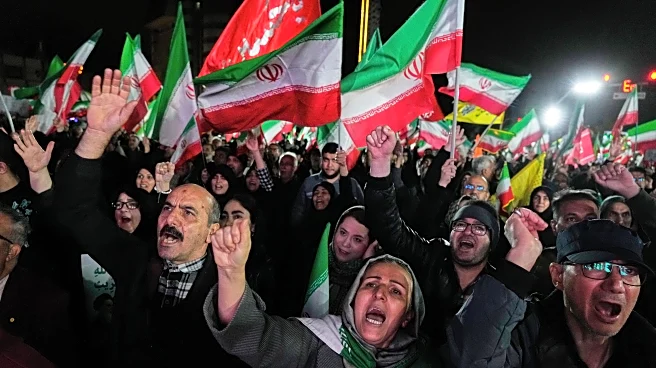
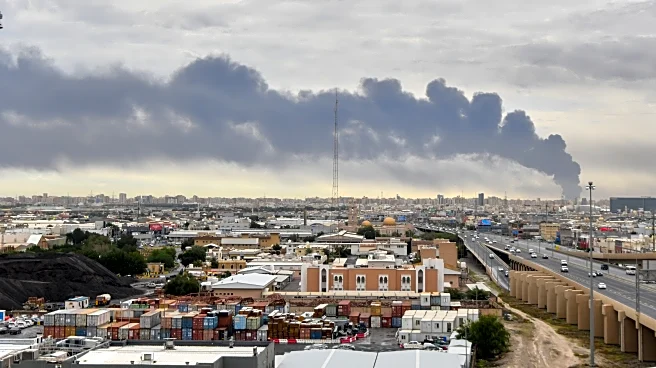
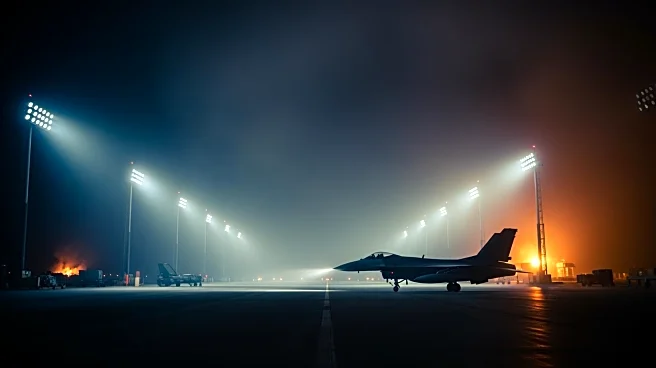
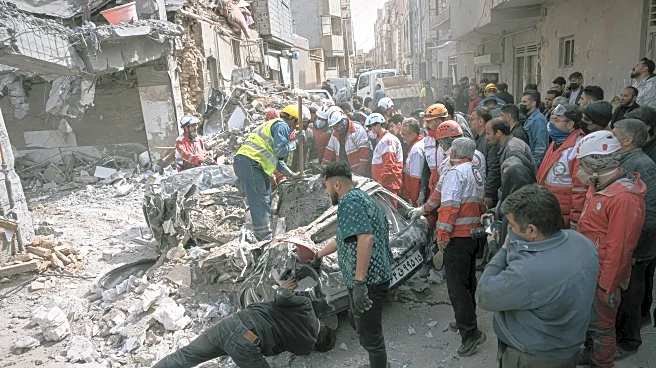
Ten U.S. service members were injured in an Iranian strike on a U.S.-used air base in Saudi Arabia. The attack, which involved both missiles and drones, is part of a series of retaliatory strikes by Iran against U.S.-aligned Gulf states and Israel. This
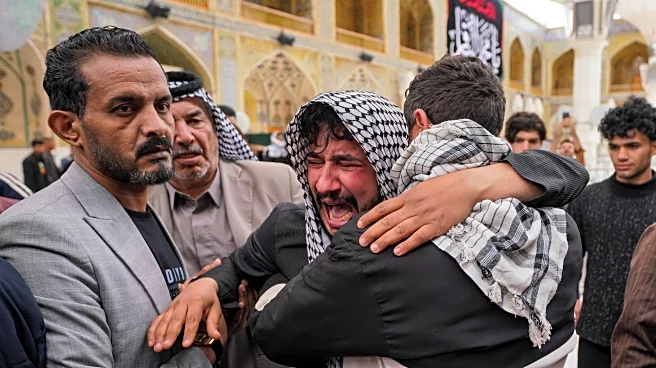
incident is part of a broader conflict that has seen over 300 American service members wounded and 13 killed since the U.S.-Israel offensive began four weeks ago. Iranian missiles carrying cluster warheads have also been observed over Israel and the West Bank, indicating a significant escalation in hostilities.
Why It's Important?
The injuries to U.S. service members highlight the escalating tensions in the Middle East, particularly between Iran and U.S.-aligned nations. This conflict has significant implications for U.S. foreign policy and military strategy in the region. The use of advanced weaponry, such as missiles with cluster warheads, underscores the potential for further escalation and the risk to U.S. personnel and interests. The ongoing conflict could impact global oil markets, given the strategic importance of the Gulf region, and may influence U.S. diplomatic relations with both Middle Eastern and global partners.
What's Next?
The U.S. military and government are likely to reassess their strategic and tactical responses to the Iranian strikes. This may involve increased military presence or defensive measures in the region to protect U.S. personnel and assets. Diplomatic efforts may also be intensified to de-escalate tensions and seek a resolution to the conflict. The international community, including the United Nations, may become more involved in mediating the situation to prevent further escalation.