





What's Happening?
Researchers at Cambridge have developed a novel solar-powered system capable of converting polyethylene terephthalate (PET) plastic bottles into hydrogen fuel and other useful chemicals. This innovative process addresses the dual challenges of plastic waste
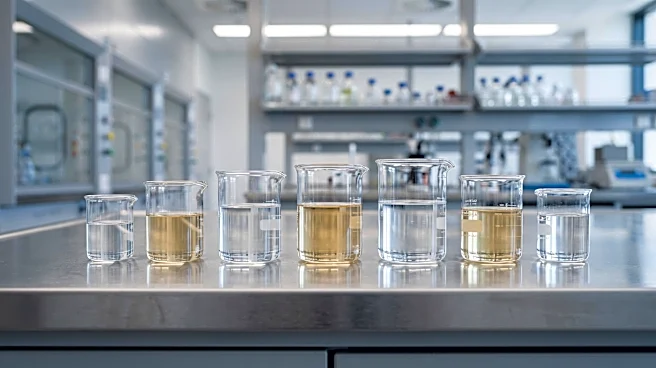
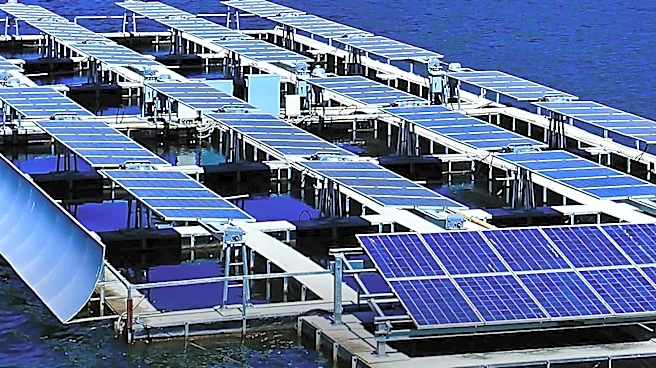
accumulation and the demand for green hydrogen. The method involves grinding plastic into small bits, mixing it with potassium hydroxide, and heating it for three days to break down the PET into ethylene glycol. The resulting liquid solution is then fed into a solar panel reactor, which, instead of generating electricity, facilitates a chemical reaction called photoreforming. A photocatalyst coating on the panels absorbs sunlight to produce hydrogen. Initial tests with small panels were successful, leading to the construction and testing of a 10.8-square-foot outdoor reactor, confirming the process's scalability for hydrogen production from PET. This development offers a potential solution for generating low-emissions hydrogen, which is currently in high demand for various industrial applications but is predominantly produced using fossil fuels.
Why It's Important?
This scientific breakthrough holds significant importance for both environmental sustainability and the energy sector in the U.S. and globally. Annually, tens of millions of tons of plastic enter the environment, with projections indicating a near tripling of plastic waste by 2060 without major policy changes. This technology offers a pathway to divert a substantial portion of this waste from landfills and oceans, mitigating its adverse effects on human health and ecosystems. Furthermore, the ability to produce green hydrogen from plastic waste could revolutionize the hydrogen industry. Currently, only about 1% of global hydrogen production is low-emissions, with the U.S. largely relying on natural gas, which releases significant CO2. A commercially viable method for producing green hydrogen from plastic could drastically reduce the carbon footprint of industries that depend on hydrogen, such as oil refining, steel production, and the manufacturing of methanol and ammonia. This could accelerate the transition to a cleaner energy economy and create new economic opportunities in waste management and hydrogen production.
What's Next?
The Cambridge researchers plan to focus on improving the system's efficiency and scalability. Key areas of development include enhancing sunlight capture, increasing the absorption of visible light, and extending the lifespan of the photocatalysts. While the chemistry has been proven to work, the next phase involves scaling up the technology for broader application. There is also a potential avenue to explore a hybrid solar panel that could simultaneously generate electricity and convert plastic into hydrogen, as the current device primarily absorbs UV light, leaving other parts of the spectrum available. The commercial viability of this technology will depend on these advancements and the ability to reduce costs and improve stability. Industry leaders are keenly observing such innovations, recognizing the benefits of transitioning to hydrogen if it becomes more practical and cost-effective to produce. Further research and development will determine if this method can be widely adopted to address plastic pollution and green hydrogen demand.
Beyond the Headlines
Beyond its immediate environmental and energy implications, this technology could spark a paradigm shift in how society views and manages waste. By transforming plastic from a persistent pollutant into a valuable resource for clean energy, it challenges the traditional linear economy model. This innovation could incentivize more comprehensive plastic collection and sorting systems, creating new industries and jobs in waste-to-energy conversion. Ethically, it offers a more sustainable end-of-life solution for plastics, potentially reducing the burden on developing nations that often bear the brunt of global plastic waste. However, it also raises questions about the long-term environmental impacts of the conversion process itself and the potential for unintended consequences if not managed carefully. The success of this technology could also influence policy decisions, encouraging governments to invest in research and infrastructure that support circular economy principles and advanced recycling methods.