





What's Happening?
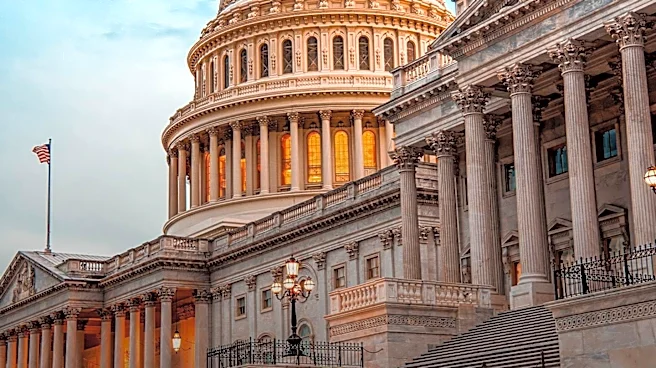
Representatives Gillibrand and Nadler of New York have reintroduced the FABRIC Act in Congress for the third time. This legislation aims to stimulate domestic apparel manufacturing in the United States and enhance protections for garment workers. The
bill seeks to address the decline in U.S. apparel manufacturing, which largely shifted overseas starting in the 1980s due to brands seeking cheaper production costs. The latest iteration of the FABRIC Act includes a significantly increased financial authorization, proposing $100 million in funding for domestic manufacturing grants. A key component of the bill is its focus on preventing 'wage theft' by addressing the misuse of piece-pay rates and making brands liable for unpaid wages. This initiative follows California's Garment Worker Protection Act, enacted in January 2022, which improved conditions for garment workers in that state. The reintroduction of the FABRIC Act signifies a continued effort to establish national-level legislation to support the growth of domestic manufacturing and ensure fair labor practices.
Why It's Important?
The reintroduction of the FABRIC Act is important for several reasons, impacting U.S. industries, labor, and economic policy. If passed, the $100 million in grants could provide a significant boost to the struggling domestic apparel manufacturing sector, potentially leading to job creation and economic revitalization in communities that once thrived on textile production. The focus on preventing 'wage theft' and holding brands accountable for unpaid wages could set a new standard for labor practices within the industry, improving working conditions and financial security for garment workers. This move could also encourage a shift away from reliance on overseas manufacturing, strengthening the U.S. supply chain and reducing vulnerabilities to geopolitical and trade uncertainties. For consumers, a revitalized domestic industry might offer more transparency regarding labor practices and potentially lead to a greater availability of 'Made in USA' apparel. However, it could also lead to increased production costs, which might be passed on to consumers. The legislation reflects a broader policy interest in reshoring manufacturing and ensuring ethical labor standards across industries.
What's Next?
The FABRIC Act will now proceed through the legislative process in Congress. Its success will depend on gaining sufficient bipartisan support and navigating potential opposition from industry groups concerned about increased labor costs or regulatory burdens. Proponents of the bill will likely engage in advocacy efforts to highlight its benefits for domestic job creation and worker protection. Stakeholders, including labor unions, apparel manufacturers, and consumer advocacy groups, will closely monitor its progress and may lobby lawmakers. If the bill advances, it could lead to further discussions and amendments regarding the scope of funding, the specifics of wage protection mechanisms, and the overall implementation strategy. The outcome of this legislative push could significantly influence the future landscape of apparel manufacturing in the United States, potentially leading to a more robust and ethically sound domestic industry.
Beyond the Headlines
Beyond its immediate economic and labor implications, the FABRIC Act touches upon deeper ethical and cultural dimensions. The bill's emphasis on preventing 'wage theft' and ensuring fair compensation for garment workers highlights a growing societal demand for ethical supply chains and corporate accountability. This reflects a broader trend where consumers and policymakers are increasingly scrutinizing the human cost of goods, pushing for greater transparency and responsibility from brands. The effort to revitalize domestic manufacturing also speaks to a desire for national self-reliance and a re-evaluation of the long-term consequences of offshoring industries. It could foster a renewed appreciation for skilled labor and craftsmanship within the U.S., potentially leading to a cultural shift in how domestically produced goods are valued. Furthermore, the bill's repeated reintroduction underscores the persistent challenges in balancing globalized economic pressures with national interests and social justice concerns, indicating a long-term struggle to redefine the role of manufacturing in the U.S. economy.