








What's Happening?
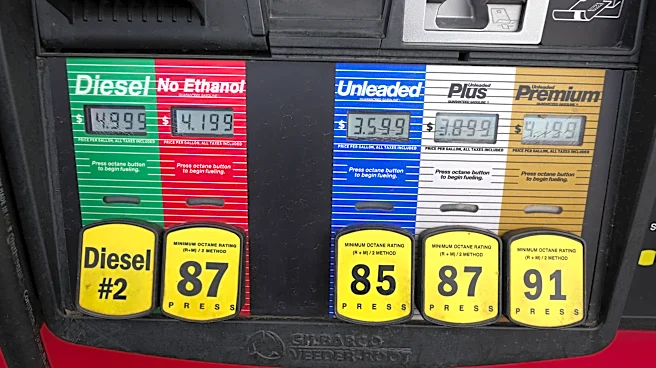
The U.S. Producer Price Index (PPI) has experienced a significant increase, driven by a spike in energy prices. In March, the PPI rose by 0.51% month-to-month, translating to a 6.3% annualized rate. This marks the third consecutive month of such increases,
with energy prices being a major contributing factor. Despite the energy price surge, other components like food prices saw a decline, which helped moderate the overall PPI increase. The volatility in energy prices has been a key driver of inflation at the wholesale level, with the energy PPI showing an 8.5% spike in March. The services PPI, which constitutes a significant portion of the overall PPI, remained relatively stable, preventing a more dramatic increase in the overall index.
Why It's Important?
The rise in wholesale inflation has broad implications for the U.S. economy, particularly for businesses and consumers. Higher wholesale prices can lead to increased costs for goods and services, which may be passed on to consumers, contributing to overall inflation. This situation poses challenges for businesses in managing costs and pricing strategies. For policymakers, the persistent inflationary pressures complicate efforts to balance economic growth with inflation control. The Federal Reserve may face pressure to adjust interest rates to manage inflation, which could impact borrowing costs and economic activity. The situation highlights the sensitivity of the economy to energy price fluctuations and the need for strategic responses to mitigate inflationary impacts.
What's Next?
The outlook for wholesale inflation will depend on the trajectory of energy prices and broader economic conditions. If energy prices stabilize, it could help moderate inflationary pressures. However, continued volatility in energy markets could sustain higher inflation levels. Businesses may need to adapt to changing cost structures, while policymakers will need to consider appropriate monetary policy responses. The Federal Reserve's actions will be closely watched, as interest rate decisions could influence economic growth and inflation dynamics. Stakeholders across the economy will need to remain vigilant and responsive to evolving inflationary trends.