
What's Happening?
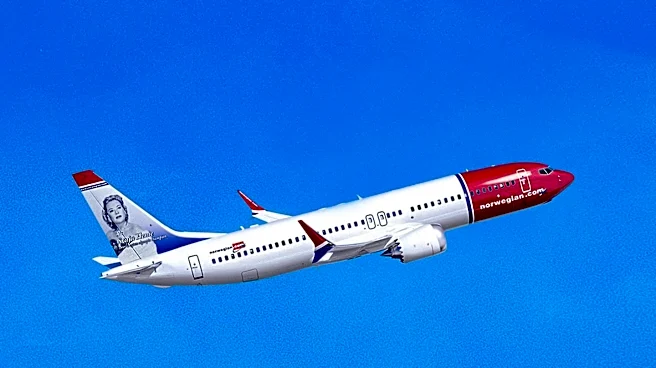
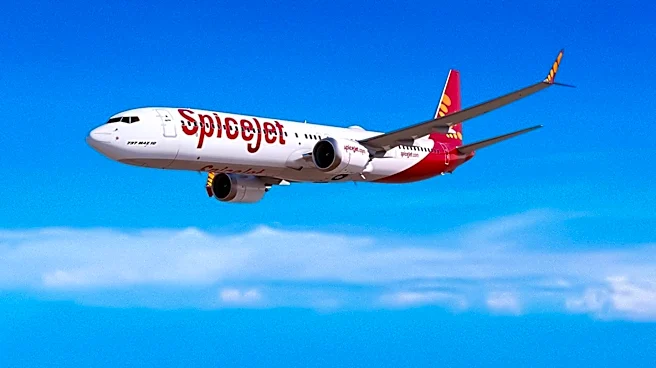
The Federal Aviation Administration (FAA) has issued a directive requiring inspections of hundreds of Boeing 737 Max jets to check for cracks in the aircraft's body. This directive affects approximately 471 U.S.-registered Boeing 737 Max 8, Max 9, and
Max 8-200 airplanes. The FAA's decision follows the discovery of cracks in a structural reinforcement near the forward service door on some planes. Airlines are required to inspect these areas based on each aircraft's usage and repair any detected cracks before the planes can return to service. Boeing has reportedly modified its manufacturing process to address this issue in newly built airplanes. The FAA has not grounded the aircraft, citing that the inspection intervals provide sufficient opportunities to detect and address any structural integrity issues. The directive will take effect on September 10.
Why It's Important?
This directive is significant as it underscores ongoing safety concerns with the Boeing 737 Max series, which has faced scrutiny in the past due to safety issues. The FAA's action aims to prevent potential structural failures that could compromise passenger safety. For Boeing, this represents another challenge in restoring confidence in its 737 Max jets, which have been under intense scrutiny since previous incidents. Airlines operating these jets must now adhere to the inspection schedule, potentially affecting their operational logistics and costs. The directive also highlights the FAA's proactive stance in ensuring aviation safety, which is crucial for maintaining public trust in air travel.
What's Next?
Airlines will need to comply with the FAA's inspection schedule, which could lead to temporary disruptions in flight operations as affected planes are inspected and repaired. Boeing will likely continue to refine its manufacturing processes to prevent similar issues in the future. The FAA may also monitor the situation closely and could issue further directives if additional safety concerns arise. Stakeholders, including airlines and passengers, will be watching closely to see how Boeing and the FAA manage this situation to ensure safety and reliability in air travel.