






What's Happening?
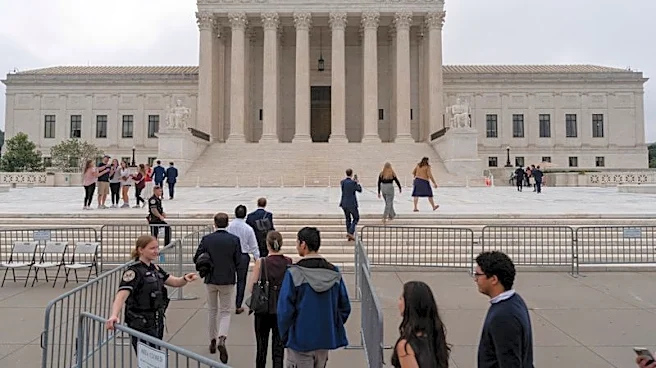
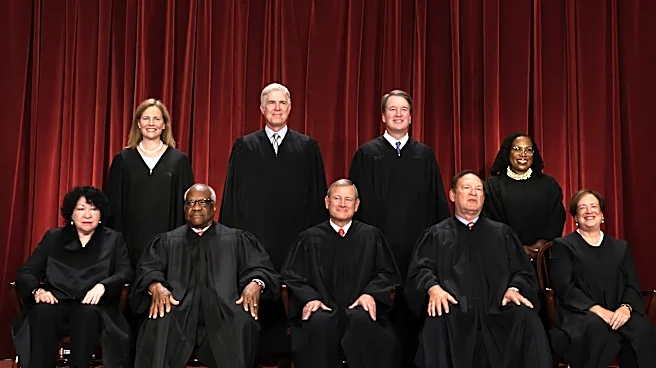
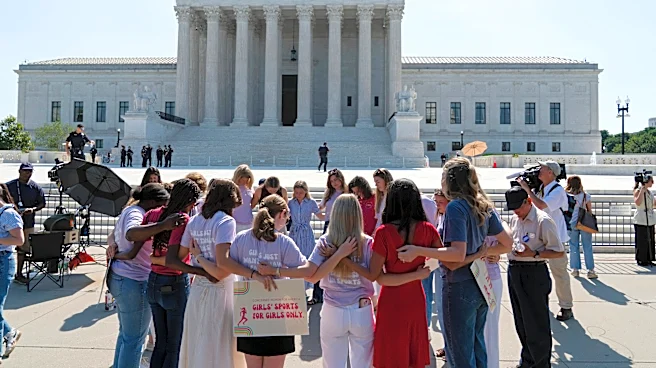
The Supreme Court has ruled that constitutional privacy protections apply to cellphone users' location history, a decision stemming from a case involving a bank robbery in Virginia. The case centered on Okello Chatrie, who was identified through a geofence
warrant that collected location data from cellphones near the crime scene. Chatrie's lawyers argued that the warrant violated his privacy rights, as it allowed authorities to gather location data without specific evidence linking individuals to the crime. The Supreme Court, in a 6-3 decision, emphasized that opting into location services does not equate to forfeiting privacy expectations. The case has been sent back to a lower court for further examination, as the Supreme Court did not rule on the Fourth Amendment compliance of the search.
Why It's Important?
This ruling is significant as it sets a precedent for how privacy rights are interpreted in the context of modern technology. By extending privacy protections to cellphone location data, the Supreme Court is acknowledging the evolving nature of privacy in the digital age. This decision could impact law enforcement practices, particularly the use of geofence warrants, which have been criticized for their broad scope. The ruling may lead to stricter guidelines on how such data can be used in criminal investigations, potentially affecting how evidence is gathered and used in court. This could have broader implications for privacy rights and surveillance practices in the U.S., influencing future legal interpretations and legislative actions.
What's Next?
The case will return to a lower court for further proceedings, where the specifics of the Fourth Amendment's application to geofence warrants will be scrutinized. This could lead to new legal standards or guidelines for the use of location data in criminal investigations. Law enforcement agencies may need to adjust their practices to comply with the evolving legal landscape. Additionally, this ruling could prompt legislative bodies to consider new privacy laws that address the balance between technological advancements and individual rights. Stakeholders, including privacy advocates and law enforcement, will likely engage in discussions to shape future policies.