


What's Happening?
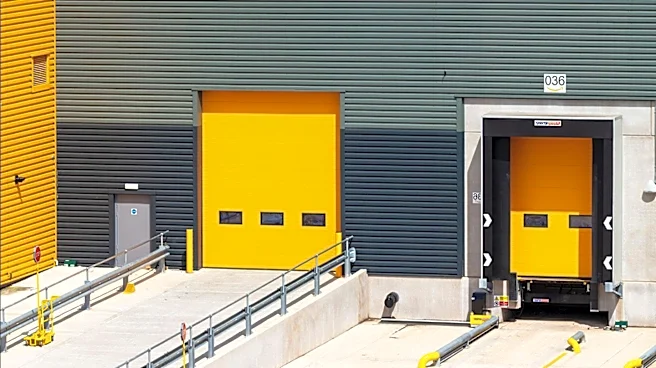
The Virginia Beach City Council has unanimously voted 11-0 to close a section of Twin Mills Road, located adjacent to an Amazon fulfillment center. This decision comes after two years of unresolved complaints from residents regarding excessive tractor-trailer
traffic, noise, and racing cars disrupting their quality of life. City officials stated they had repeatedly urged Amazon to address these issues, but with little success. The closed section of Twin Mills Road, between Lava Beach Lane and London Bridge Road, will be restricted to vehicular traffic except in emergencies, though bicyclists and pedestrians will still have access. Residents reported issues such as noise and trash from Amazon-bound trucks parked on Lava Beach Lane, a cul-de-sac access road to the fulfillment center. The police emergency center has received approximately 800 calls for service related to activities on Twin Mills Road and Lava Beach Lane since 2025. Mayor Bobby Dyer criticized Amazon's lack of communication, describing it as a 'culture of arrogance.' Amazon spokesperson Austin Stowe stated the company respects the City Council's decision, is implementing further measures, and apologizes for the inconvenience.
Why It's Important?
This decision highlights the growing tension between large corporate logistics operations and local community well-being. The closure of a public road due to the operational impact of a major company like Amazon underscores the power of local governance in responding to citizen grievances when corporate engagement is perceived as insufficient. For Amazon, this situation could serve as a cautionary tale, emphasizing the importance of proactive community relations and impact mitigation strategies, especially in residential areas. The incident also reflects broader challenges faced by municipalities in balancing economic development incentives, such as attracting large employers, with maintaining residents' quality of life. Other communities hosting or considering large distribution centers may look to Virginia Beach's actions as a precedent for addressing similar issues, potentially leading to more stringent requirements for traffic management and community engagement from such facilities.
What's Next?
Following the City Council's vote, two gates will be installed to restrict vehicular access on the designated section of Twin Mills Road. Amazon has indicated it is implementing further measures to address the issues and has scheduled a meeting with city staff, which Vice Mayor Rosemary Wilson noted was only arranged this week after years of requests. The company has already rerouted trucks, installed turn-restriction signage at its site exits, shared traffic data with the city, and is conducting a 24-hour traffic study. Future developments will likely involve monitoring the effectiveness of these new measures and the road closure in alleviating resident concerns. The city will observe Amazon's ongoing efforts to be a 'good neighbor' and ensure compliance with local regulations and community expectations. This situation may also prompt other municipalities to review their agreements with large logistics companies to include more robust clauses regarding community impact and responsiveness.
Beyond the Headlines
This event touches upon the evolving dynamics of urban planning and corporate responsibility in the age of e-commerce. The rapid expansion of fulfillment centers, while bringing jobs and economic activity, often introduces significant logistical challenges, particularly increased truck traffic, into existing community infrastructures. The 'David and Goliath' narrative, as described by Vice Mayor Rosemary Wilson, reflects a broader societal concern about the influence of large corporations on local environments and the perceived imbalance of power between residents and global businesses. This case could encourage a re-evaluation of how cities negotiate with major corporations, potentially leading to more community-centric development agreements that prioritize resident quality of life alongside economic benefits. It also raises questions about the long-term sustainability of current logistics models that often place high-volume operations in close proximity to residential areas, prompting discussions on alternative site selections or more innovative traffic management solutions.