




What's Happening?
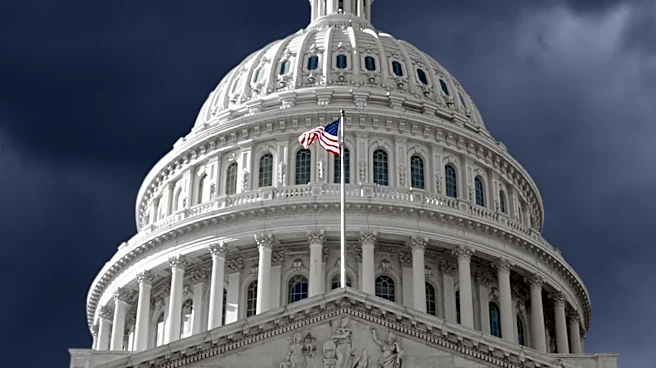
Representative Brad Schneider (D-IL) participated in ANCA Advocacy Days, an event that mobilized over 60 advocates from the Eastern Region to meet with nearly 100 congressional offices. During these meetings, Schneider, alongside other members of Congress
like Representative Rashida Tlaib (D-MI) and Representative Jim McGovern (D-MA), voiced support for the release of Armenian hostages and advocated for the right of return for the 150,000 citizens of Artsakh who were exiled from their ancestral homeland. A key legislative priority discussed was urging Senators and Representatives to sign a bicameral, bipartisan letter to Secretary of State Marco Rubio. This letter calls for the Administration to withhold U.S. military assistance to Azerbaijan until Armenian hostages are released, Armenian Christian heritage sites are protected, and Azerbaijani forces retreat from within Armenia’s borders. Advocates also pressed for co-sponsorship of the ARMENIA Security Partnership Act (H.R. 6840) and the Azerbaijan Sanctions Review Act (H.R. 5369), which seeks Global Magnitsky sanctions against Azerbaijani officials for human rights violations.
Why It's Important?
This advocacy effort highlights a significant humanitarian and geopolitical issue with direct implications for U.S. foreign policy and human rights commitments. The call to withhold U.S. military aid to Azerbaijan underscores a growing sentiment in Congress to leverage foreign assistance as a tool to address human rights concerns and territorial disputes. If successful, this could alter the balance of power in the South Caucasus region and potentially influence the U.S.'s relationship with both Armenia and Azerbaijan. The emphasis on the right of return for Artsakh citizens and the protection of Armenian Christian heritage sites reflects a broader concern for ethnic cleansing and cultural preservation, issues that resonate with international human rights frameworks. The involvement of U.S. lawmakers like Representative Schneider signals a bipartisan interest in these matters, potentially leading to more robust legislative action and increased pressure on the executive branch to act.
What's Next?
The campaign to gather signatures for the Peters-Bilirakis-Pallone letter, which calls for withholding U.S. military assistance to Azerbaijan, is ongoing. Armenian Americans are encouraged to contact their U.S. Senators and Representatives to urge them to sign this letter. Further legislative action is anticipated as advocates continue to press for co-sponsorship of bills like the ARMENIA Security Partnership Act (H.R. 6840) and the Azerbaijan Sanctions Review Act (H.R. 5369). These efforts aim to enforce restrictions on U.S. military aid to Azerbaijan and impose sanctions on officials responsible for human rights violations. The ongoing advocacy suggests continued pressure on the U.S. government to address the situation of Armenian hostages and the displaced citizens of Artsakh, potentially leading to new policy initiatives or amendments to existing foreign aid packages.
Beyond the Headlines
The advocacy surrounding Armenian hostages and the right of return for Artsakh citizens touches upon deeper ethical and historical dimensions. The reference to the Armenian Genocide and the 'modern-day mistreatment of Armenians' highlights a long-standing historical trauma and the community's vigilance against perceived genocidal ethnic cleansing. This context imbues the current political actions with significant moral weight, framing the issue not just as a geopolitical conflict but as a matter of historical justice and human dignity. The involvement of a multi-generational delegation in ANCA Advocacy Days also underscores the enduring commitment of the Armenian American diaspora to influence U.S. foreign policy on issues affecting their ancestral homeland. This sustained engagement reflects the power of diaspora communities in shaping international relations and advocating for human rights on a global scale, demonstrating how historical narratives continue to inform contemporary political activism.