






What's Happening?
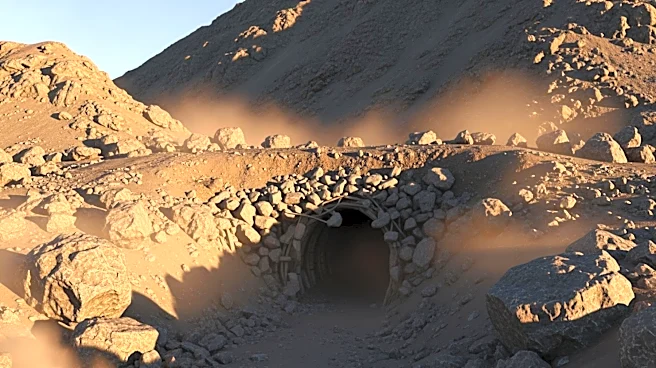
The Israel Defense Forces (IDF) have announced the destruction of a 30-meter-long tunnel used by Hezbollah in southern Lebanon. This operation is part of a broader military effort that has seen the IDF targeting approximately 15 Hezbollah infrastructure
sites over the past 24 hours. These sites include military structures, surveillance equipment, and terror-staging areas. The IDF's Yahalom Unit and 226th Brigade discovered several weapons storage facilities in the vicinity of the tunnel, containing around three tons of explosive material, 43 Claymore explosive devices, mines, anti-tank systems, and Kornet missiles. The military actions underscore ongoing efforts to dismantle Hezbollah's capabilities and infrastructure in the region.
Why It's Important?
The destruction of the Hezbollah tunnel and the targeting of its infrastructure are significant in the context of regional security and stability. Hezbollah's military capabilities, including its extensive network of tunnels and weapons caches, pose a direct threat to Israel. The IDF's operations aim to neutralize these threats and prevent potential attacks on Israeli territory. This development also highlights the ongoing tensions between Israel and Hezbollah, which have broader implications for Middle Eastern geopolitics. The actions taken by the IDF could influence the strategic calculations of other regional actors and impact diplomatic efforts aimed at achieving long-term peace and stability.
What's Next?
The IDF is likely to continue its operations against Hezbollah's infrastructure in southern Lebanon. These actions may provoke responses from Hezbollah, potentially escalating the conflict. The international community, including the United Nations and neighboring countries, may call for restraint and seek to mediate between the parties to prevent further escalation. The situation remains fluid, and any significant developments could alter the current dynamics, affecting regional security and diplomatic relations.