



What's Happening?
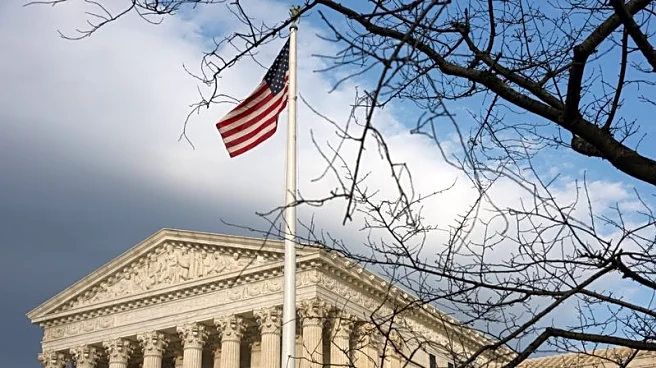
The Supreme Court has temporarily blocked a California law that prevented schools from automatically notifying parents if their children identify as transgender. This decision comes after a legal challenge from religious parents and educators who argued
that the law infringed on their rights to be informed about their children's gender identity. The court's ruling allows schools to inform parents without the student's consent, pending further legal proceedings. The decision has sparked debate over the balance between parental rights and student privacy, particularly for transgender students who may face family rejection.
Why It's Important?
This ruling has significant implications for the rights of transgender students and the role of parents in educational settings. It highlights the ongoing national debate over parental rights versus student privacy, particularly concerning LGBTQ+ issues. The decision could lead to changes in school policies across California, affecting thousands of students and their families. It also raises concerns about the potential for increased discrimination and harm to transgender students who may not have supportive home environments. The ruling underscores the broader cultural and legal battles over gender identity and the rights of LGBTQ+ individuals in the U.S.
What's Next?
The legal battle over this issue is likely to continue as the case progresses through the courts. California's education system will need to adapt to the Supreme Court's decision, potentially revising policies and providing guidance to schools. The ruling could also prompt further legal challenges and legislative actions as stakeholders seek to clarify the rights of students and parents. Advocacy groups may increase efforts to support transgender students and ensure their safety and privacy in educational settings.
Beyond the Headlines
The ruling reflects broader societal tensions over gender identity and the rights of LGBTQ+ individuals. It highlights the challenges of balancing individual rights with parental authority in educational contexts. The decision could influence future legal and policy debates on similar issues, potentially affecting other states and educational systems. It also raises ethical questions about the role of educators in navigating sensitive issues related to gender identity and the potential impact on student well-being.