









What's Happening?
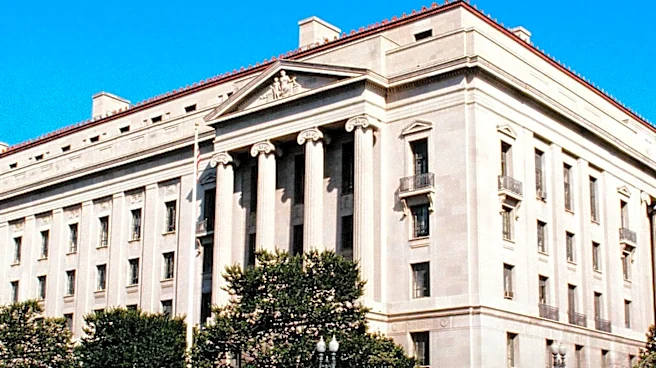
The Department of Justice (DOJ) has filed lawsuits against Massachusetts and Rhode Island, challenging their laws that allow undocumented students to pay in-state tuition rates at public colleges and universities. This legal action is part of a broader
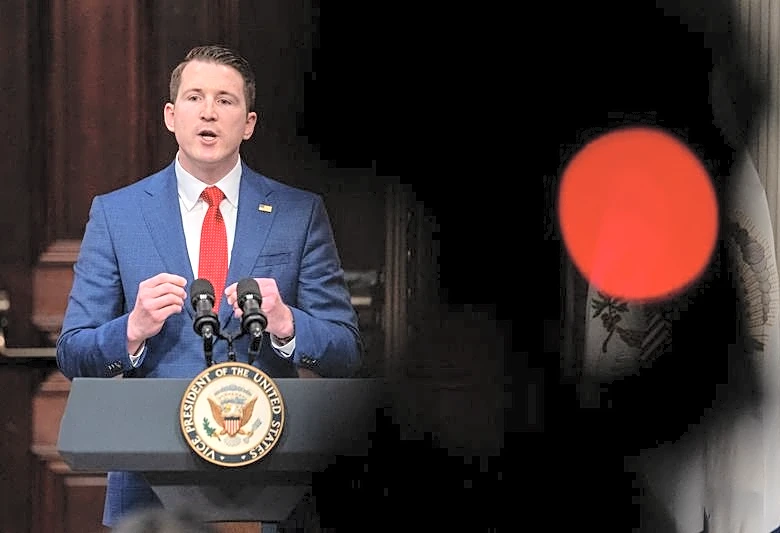
DOJ effort targeting similar laws in 12 states. The DOJ argues that these laws violate federal statutes by providing benefits to undocumented students that are not available to U.S. citizens. Assistant Attorney General Brett A. Shumate stated that the DOJ will not tolerate American students being treated as second-class citizens. The lawsuits also seek to prevent these states from allowing undocumented students to access state aid and scholarships. While some Republican-led states have settled with the DOJ, agreeing to cease offering in-state tuition to undocumented students, Democratic-led states, including Minnesota, have resisted, with Minnesota successfully having a DOJ lawsuit dismissed earlier this year.
Why It's Important?
The DOJ's lawsuits against Massachusetts and Rhode Island highlight the ongoing national debate over immigration policy and educational access. The outcome of these cases could significantly impact undocumented students' ability to afford higher education, as in-state tuition rates are typically much lower than out-of-state rates. This legal battle also underscores the tension between federal and state governments over immigration policy, with potential implications for state autonomy in setting educational policies. If the DOJ prevails, it could set a precedent that affects similar laws in other states, potentially limiting educational opportunities for undocumented students nationwide. Conversely, if the states successfully defend their policies, it could embolden other states to adopt similar measures, further complicating the national landscape of immigration and education policy.
What's Next?
The lawsuits will proceed through the federal court system, where Massachusetts and Rhode Island will likely defend their policies as consistent with state rights and educational equity. The outcomes could prompt legislative responses at both state and federal levels, potentially leading to new laws or amendments to existing ones. Stakeholders, including educational institutions, immigrant advocacy groups, and policymakers, will closely monitor these cases, as their outcomes could influence future policy decisions and legal strategies. Additionally, the cases may prompt public debate and advocacy efforts around the rights of undocumented students and the role of states in shaping educational policy.