







What's Happening?
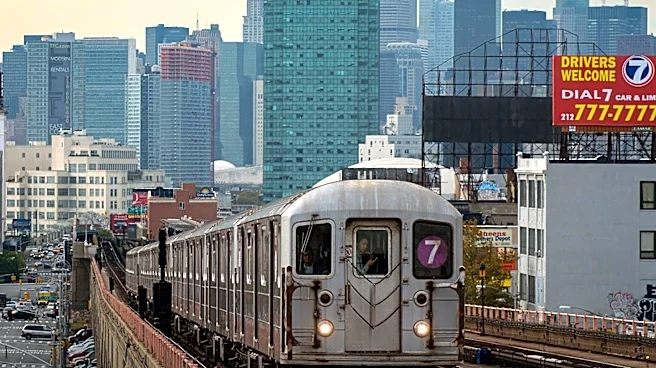
The New York City subway system has seen a 9% increase in felony assaults this year, according to NYPD Chief of Transit Joseph Gulotta. Speaking at a press briefing at NYPD's Manhattan HQ, Gulotta revealed that nearly half of these attacks target specific
groups: police officers, MTA workers, and elderly commuters. Through the end of August, 435 assaults were investigated, up from 397 during the same period last year. Elderly individuals accounted for 17% of the victims, while police officers made up 21%. This data comes shortly after a 65-year-old woman, Lydia Zuniga, had her leg broken in three places after being shoved onto tracks in an unprovoked attack, criticizing city leaders for failing to protect riders. Other recent incidents include a 70-year-old woman thrown onto tracks in Midtown and three elderly victims slashed with a machete at Grand Central Station. Despite the rise in overall assaults, random attacks are down by 8%, and unprovoked felony assaults decreased by 4%. Gulotta noted that most New Yorkers, 71%, still report feeling safe on the subway.
Why It's Important?
The surge in felony assaults, particularly against vulnerable populations like the elderly, raises significant public safety concerns for New York City's transit system. While overall crime statistics might show improvements in some areas, the targeted nature of these assaults can erode public confidence in subway safety and disproportionately impact specific communities. The fact that nearly half of the felony assaults involve police, MTA workers, and the elderly indicates a need for tailored security strategies and increased protection for these groups. The perception of safety, as highlighted by Chief Gulotta's 71% figure, may not align with the lived experiences of those directly affected by these violent incidents. This trend could lead to reduced ridership among vulnerable populations, impacting their mobility and access to essential services. Furthermore, attacks on transit workers and police officers undermine the very personnel responsible for maintaining order and safety within the system, creating a challenging environment for law enforcement and transit operations.
What's Next?
The NYPD is 'geared up' to address the spike in assaults, indicating a likely increase in targeted enforcement and protective measures for elderly commuters, police officers, and MTA workers. This could involve more visible police presence in subway stations, increased surveillance, and specific initiatives aimed at deterring attacks on these vulnerable groups. City leaders and transit authorities will face continued pressure to implement effective solutions and reassure the public about subway safety. There may also be renewed calls for addressing underlying issues such as mental health crises, as some of the reported attacks involve individuals with mental health challenges. The effectiveness of these measures will be crucial in determining whether the trend of increasing felony assaults can be reversed and if public confidence in the subway system can be fully restored.
Beyond the Headlines
The rise in subway assaults, particularly against the elderly, points to broader societal issues beyond just crime statistics. It highlights the vulnerability of certain demographics in urban environments and the challenges of ensuring safety in public spaces. The disconnect between overall crime reduction and specific spikes in felony assaults suggests that a nuanced approach to public safety is required, one that considers the specific types of crime and their victims. The repeated calls from victims like Lydia Zuniga for city leaders to address the issue of 'crazy people' running the subways also underscore the complex interplay between mental health, homelessness, and public safety. This situation prompts a deeper examination of how cities manage mental health crises in public spaces and whether current social services and law enforcement strategies are adequately integrated to prevent such incidents. The long-term implications could include changes in urban planning, public transit security protocols, and mental health support systems to create a more inclusive and safer environment for all commuters.