





What's Happening?
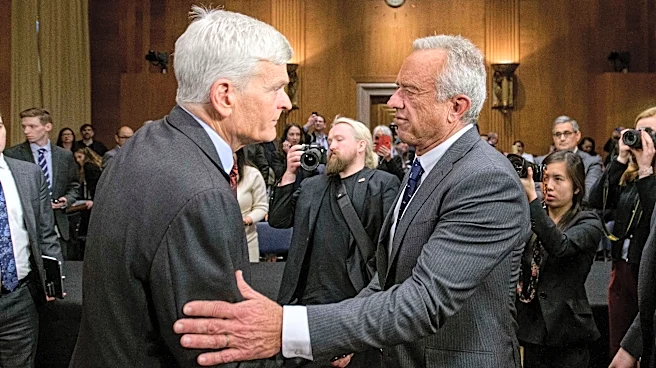
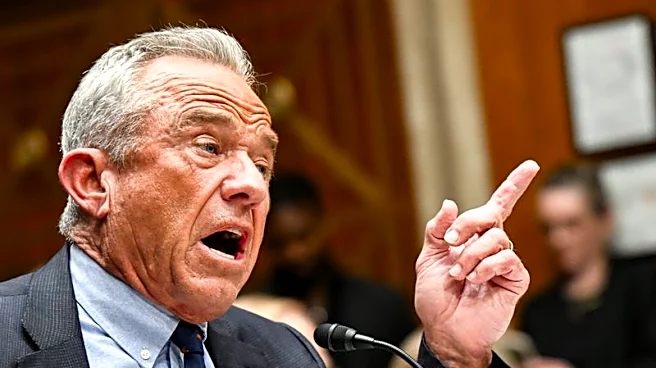
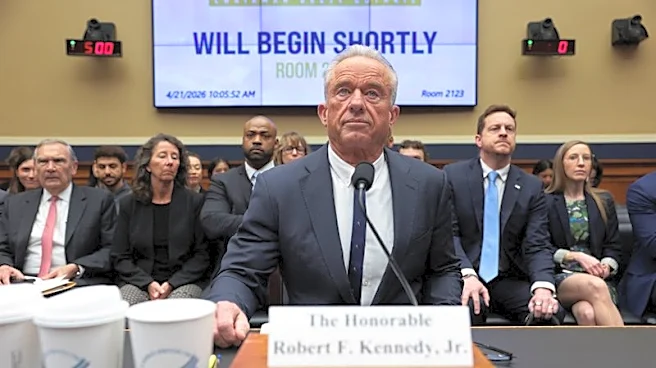
In recent congressional appearances, Health Secretary Robert F. Kennedy Jr. has been challenged over claims regarding Medicaid cuts under President Trump's 2025 tax and spending bill. Kennedy has repeatedly stated that there are no cuts to Medicaid, asserting
that spending will increase by 47% over the next decade. However, Medicaid analysts argue that this is misleading, as the increase is due to natural growth factors like population changes and rising health costs. The legislation introduced significant reforms, including work requirements and eligibility changes, projected to reduce Medicaid spending by nearly $1 trillion over ten years. Experts like Edwin Park from Georgetown University and Sara Rosenbaum from George Washington University have criticized Kennedy's claims, emphasizing that the reforms will lead to fewer insured individuals and reduced access to necessary care.
Why It's Important?
The debate over Medicaid cuts is significant as it impacts millions of Americans who rely on the program for healthcare. The reforms are part of broader efforts by the Trump administration to address what they describe as waste and fraud in the system. However, critics argue that these changes disproportionately affect vulnerable populations, potentially increasing the number of uninsured individuals. The controversy highlights ongoing tensions between efforts to reduce government spending and the need to maintain essential social services. The outcome of this debate could influence future healthcare policy and the political landscape, particularly as it relates to public perception of the administration's priorities.
What's Next?
As the debate continues, stakeholders including lawmakers, healthcare providers, and advocacy groups are likely to intensify their efforts to influence public opinion and policy decisions. The administration may face legal challenges or calls for legislative amendments to address concerns about the impact of the reforms. Additionally, the issue could become a focal point in upcoming elections, with candidates using it to differentiate their platforms on healthcare. Monitoring the implementation of these reforms and their real-world effects will be crucial in assessing their long-term viability and impact on the healthcare system.