

What's Happening?
Wildfire season in the U.S. is starting earlier, with activity beginning as soon as March or April. This shift is attributed to changing weather patterns, drought, and wind conditions. Federal agencies report that what was once a four-month fire season now
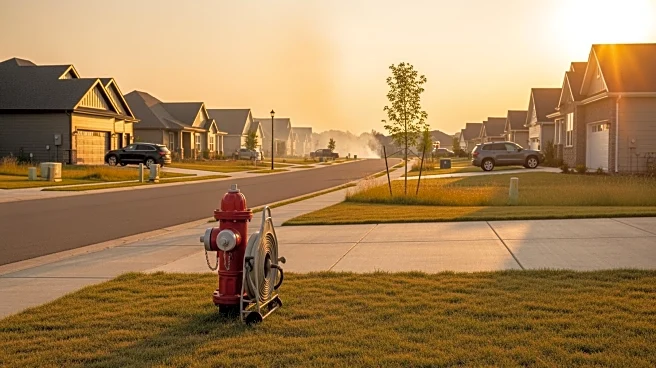
extends to six to eight months. Military housing communities face unique challenges due to the close proximity of homes, increasing the risk of fire spread. Experts emphasize the importance of early preparation, including vegetation management and community coordination, to mitigate risks and enhance safety.
Why It's Important?
The extended wildfire season poses significant risks to military housing communities, where homes are often closely spaced. Early preparation is crucial to prevent structure fires, which can spread rapidly in densely populated areas. The emphasis on community coordination highlights the need for collective action in reducing wildfire risks. This situation underscores the broader impact of climate change on fire patterns and the importance of adaptive strategies to protect lives and property. Military communities must prioritize fire prevention measures to ensure the safety of residents and infrastructure.
What's Next?
Military housing communities are likely to increase efforts in wildfire preparedness, including organizing neighborhood cleanup projects and developing evacuation plans. Federal and local agencies may provide additional resources and guidance to support these initiatives. As the wildfire season progresses, monitoring fire activity and maintaining communication with emergency services will be essential. The situation may also prompt discussions on policy changes and funding allocations to enhance fire prevention and response capabilities in military and civilian communities alike.
Beyond the Headlines
The challenges faced by military housing communities in wildfire preparedness reflect broader issues related to climate change and urban planning. The need for effective fire prevention strategies highlights the importance of integrating environmental considerations into housing development and community planning. This situation also raises questions about the allocation of resources and support for military families, who may face unique vulnerabilities due to their living conditions. Addressing these challenges requires a comprehensive approach that considers both immediate risks and long-term sustainability.