
What's Happening?
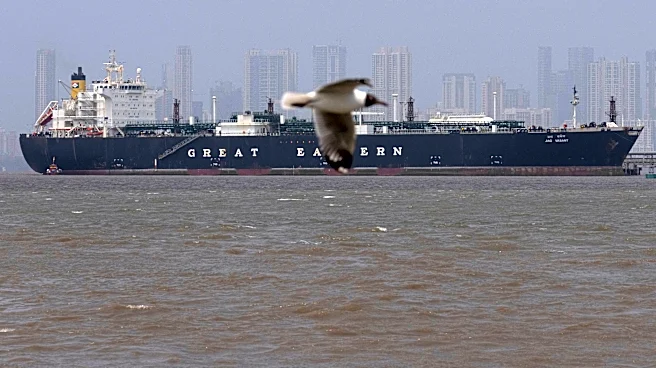
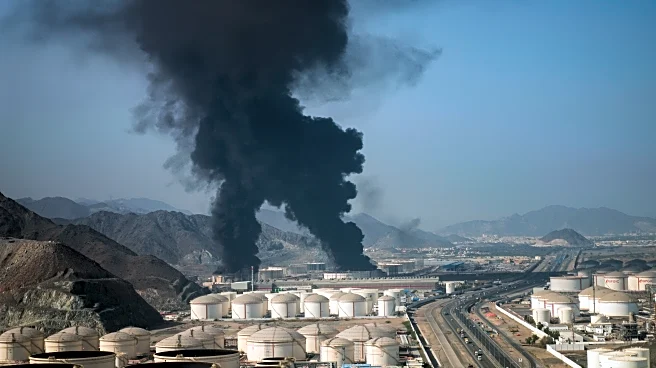
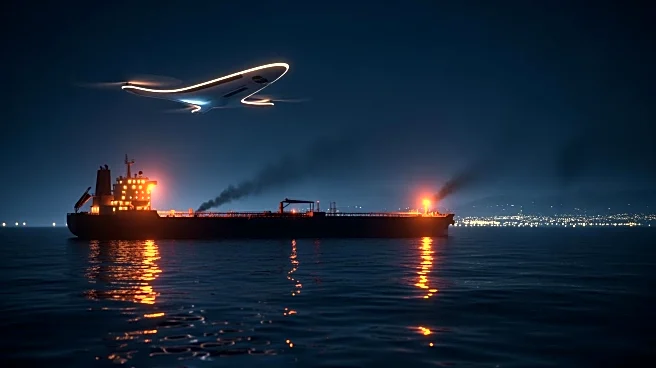
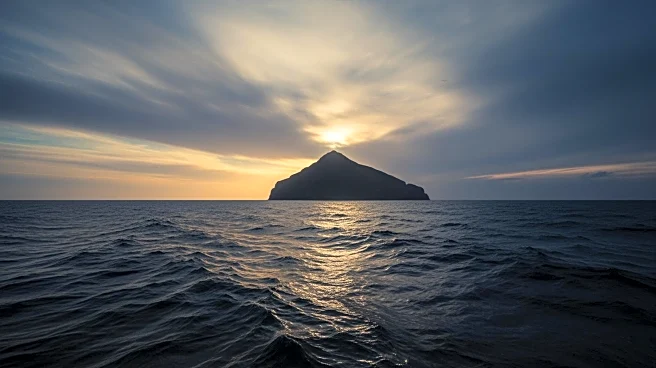
President Trump is considering deploying ground troops to seize Iran's Kharg Island, a critical oil infrastructure site. Experts warn that this military action could endanger American lives and may not achieve the intended strategic goals. Kharg Island is vital
to Iran's oil exports, handling 90% of its shipments. The proposed seizure aims to cripple Iran's oil industry and gain leverage in negotiations. However, experts suggest that a naval blockade might be a safer and more effective strategy. The potential military action could escalate tensions, prompting Iran and its allies to retaliate, possibly affecting global oil prices and regional stability.
Why It's Important?
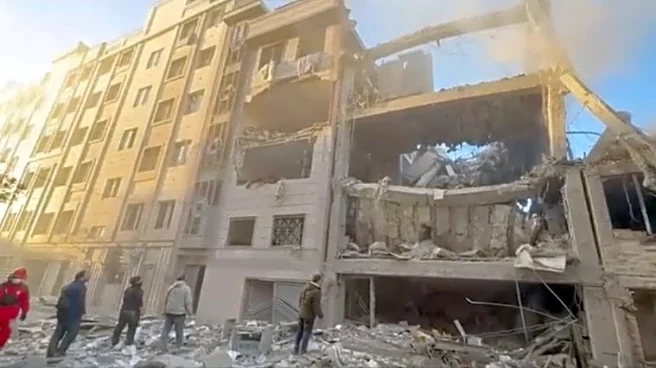
The potential seizure of Kharg Island represents a significant escalation in U.S.-Iran tensions, with far-reaching implications for global energy markets and geopolitical stability. The move could disrupt oil supplies, leading to increased prices and economic uncertainty. Additionally, it risks drawing the U.S. into a broader conflict in the Middle East, with potential military and civilian casualties. The situation highlights the delicate balance of power in the region and the challenges of using military force to achieve diplomatic objectives. The decision could also impact U.S. relations with allies and adversaries, influencing future diplomatic and military strategies.
What's Next?
If the U.S. proceeds with the plan to seize Kharg Island, it could trigger a series of retaliatory actions from Iran and its allies, potentially leading to a broader conflict in the region. The international community may respond with calls for restraint and diplomatic solutions to prevent further escalation. The U.S. government will likely face pressure from both domestic and international stakeholders to justify the military action and its potential consequences. Ongoing negotiations and diplomatic efforts may continue in parallel, seeking a peaceful resolution to the conflict and addressing the underlying issues driving the tensions.