




What's Happening?
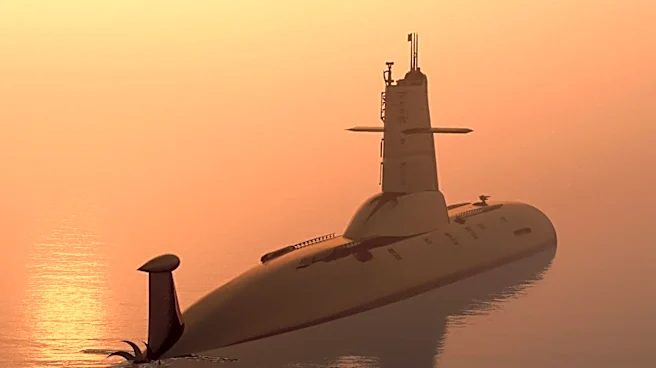
The Saab-led MANGROVE consortium has successfully completed Phase 1 of NATO’s Allied Underwater Battlespace Mission Network (AUWB-MN). This phase, concluded on November 17, 2026, focused on establishing the foundational technical, architectural, and governance
frameworks necessary for future multinational underwater operations. The AUWB-MN is designed to enable NATO member nations to share information, coordinate assets, and operate as an integrated force across diverse technologies in the underwater domain. Instead of relying on bespoke connections between individual systems, the network aims to define common standards and security principles to facilitate faster and more effective system integration. Phase 1 also laid the groundwork for a future Test and Reference Environment, which will support experimentation, capability development, compliance assessment, and operational exercises in subsequent project stages. The MANGROVE consortium comprises industry, academia, and defense specialists, including Saab’s Naval business area, CETENA, IDS of the Fincantieri Group, FlySight, GraalTech, Miraya, Saab UK, S2IX, and the University of Plymouth.
Why It's Important?
The completion of Phase 1 of the AUWB-MN is a significant step for the U.S. and its NATO allies in enhancing underwater defense capabilities. This initiative addresses the critical need for improved interoperability and information sharing in the complex and increasingly contested underwater battlespace. For the U.S. Navy and its partners, a standardized and secure network means more effective coordination of submarine, anti-submarine warfare, and mine countermeasures operations. This enhanced capability is vital for detecting and countering advanced underwater threats, protecting critical maritime infrastructure, and ensuring freedom of navigation. By establishing common standards, the network will streamline the integration of new technologies and systems from various allied nations, reducing development costs and accelerating deployment. This collaborative approach strengthens the collective defense posture of NATO, making it more resilient against potential adversaries and ensuring that the U.S. and its allies can maintain a decisive advantage in the underwater domain.
What's Next?
Following the completion of Phase 1, the MANGROVE consortium will proceed with subsequent stages of the AUWB-MN project. A key next step involves the development and implementation of the Test and Reference Environment, which will be crucial for ongoing experimentation, capability development, compliance assessment, and operational exercises. This environment will allow for rigorous testing of new technologies and protocols within the established architectural and governance frameworks. The consortium will continue to focus on defining common standards and security principles to ensure seamless integration of diverse systems from NATO member nations. Future phases will likely involve expanding the network's operational capabilities, incorporating advanced sensors and communication technologies, and conducting multinational exercises to validate the network's effectiveness in real-world scenarios. The long-term goal is to achieve a fully integrated and interoperable underwater battlespace network that significantly enhances NATO's collective defense capabilities.
Beyond the Headlines
The development of the AUWB-MN highlights a growing recognition within NATO of the strategic importance of the underwater domain, particularly in an era of renewed great power competition. This initiative goes beyond mere technological integration; it represents a fundamental shift towards a more unified and collaborative approach to maritime security. The ethical implications revolve around the responsible use of advanced underwater surveillance and combat systems, ensuring adherence to international laws of armed conflict and minimizing unintended environmental impacts. Legally, the establishment of common standards and protocols across multiple nations will require complex agreements on data sharing, intellectual property, and operational command structures. Culturally, it fosters deeper trust and cooperation among allied navies, promoting a shared understanding of threats and operational procedures. This long-term investment in underwater interoperability signals a commitment to maintaining a technological edge and ensuring the security of vital sea lanes and undersea infrastructure against evolving threats.