








What's Happening?
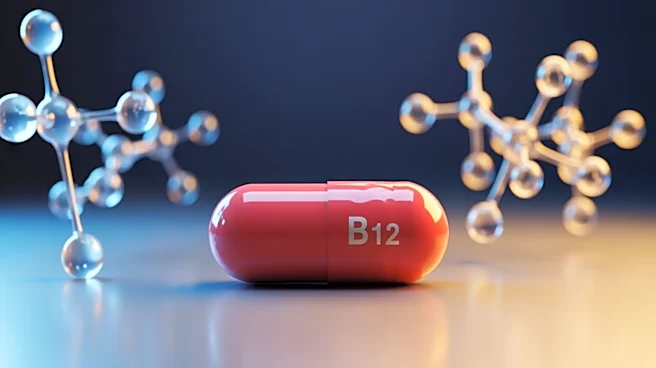
Recent discussions among experts have brought attention to the complex relationship between vitamin B12 and cancer risk. Vitamin B12, also known as cobalamin, is essential for producing red blood cells, maintaining nervous system function, and ensuring
accurate DNA replication. While it is naturally found in animal products and fortified foods, certain groups such as vegans, older adults, and individuals with specific gut conditions may require supplements. Concerns have arisen regarding high levels of B12 intake and its potential link to cancer. A 2025 study from Vietnam suggested a U-shaped relationship between B12 intake and cancer risk, indicating that both low and high intakes could be associated with increased risk. However, the study could not establish a causal relationship. Observational research has also hinted at a slight increase in lung cancer risk with long-term, high-dose B6 and B12 supplementation, particularly among men and smokers.
Why It's Important?
The findings underscore the importance of balance in nutrient intake, particularly with vitamin B12. While deficiency can lead to serious health issues, excessive intake without medical guidance may pose risks. The potential link between high B12 levels and cancer highlights the need for careful monitoring of supplementation, especially in individuals not taking supplements but showing elevated B12 levels. This could indicate underlying health issues such as liver disease or undiagnosed cancer. The broader message emphasizes that cancer prevention relies more on long-term healthy habits rather than high doses of any single vitamin. This includes maintaining a balanced diet, regular exercise, avoiding smoking, and attending routine health screenings.
What's Next?
Further research is needed to clarify the relationship between vitamin B12 levels and cancer risk. Medical professionals may focus on understanding the mechanisms by which B12 levels rise in cancer patients and whether it serves as a marker for disease presence or progression. For individuals, the advice remains to obtain B12 through diet or necessary supplementation, avoiding megadoses unless prescribed by a healthcare provider. Monitoring B12 levels in patients with unexplained high readings could become a more common practice to detect potential underlying conditions.
Beyond the Headlines
The discussion around vitamin B12 and cancer risk also touches on broader themes of dietary supplementation and public health. It raises questions about the regulation of supplement dosages and the need for public awareness regarding the potential risks of excessive vitamin intake. The findings may influence future dietary guidelines and recommendations, particularly for vulnerable populations. Additionally, the role of B12 as a potential biomarker for cancer progression could lead to new diagnostic tools and strategies in oncology.