







What's Happening?
Iran has issued a warning to the United States Navy against entering the Strait of Hormuz, a critical maritime passage, according to Iranian state media. This warning follows a statement by President Donald Trump, who announced that the U.S. would begin
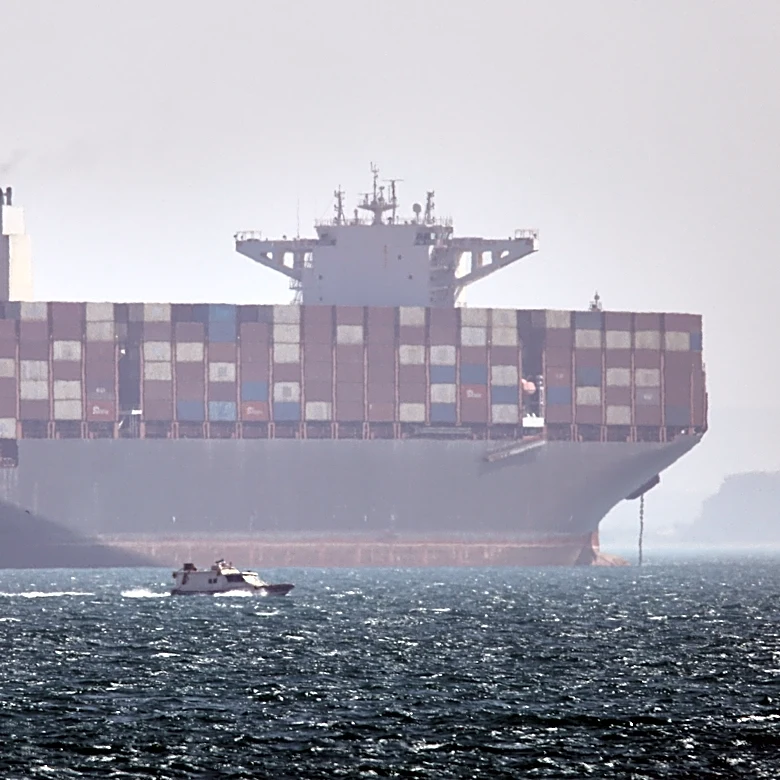
'guiding' vessels through the strait. The Strait of Hormuz is a vital waterway for global oil shipments, and tensions in the region have historically impacted international oil markets. The U.S. decision to guide ships is seen as a response to previous incidents where vessels were stranded or faced threats in the area. The situation is being closely monitored, with Dan Murphy reporting from Abu Dhabi on the latest developments.
Why It's Important?
The Strait of Hormuz is one of the world's most strategically important chokepoints for oil transport, with a significant portion of the world's petroleum passing through it. Any disruption in this area can have substantial implications for global oil prices and supply chains. The U.S. decision to guide ships through the strait is likely aimed at ensuring the safe passage of vessels and maintaining stability in oil markets. However, Iran's warning highlights the potential for increased geopolitical tensions, which could lead to further instability in the region. This development is crucial for stakeholders in the energy sector, international shipping companies, and governments reliant on oil imports.
What's Next?
The situation in the Strait of Hormuz is likely to remain tense as both the U.S. and Iran navigate this latest development. The U.S. Navy's actions in the region will be closely watched by international observers, and any escalation could prompt responses from other countries with interests in the area. Diplomatic efforts may be necessary to de-escalate tensions and ensure the continued safe passage of vessels. Additionally, the international community may call for dialogue between the U.S. and Iran to prevent further conflict and maintain stability in global oil markets.