







What's Happening?
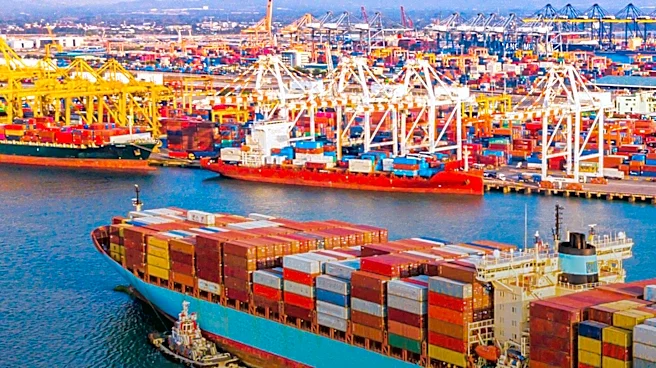
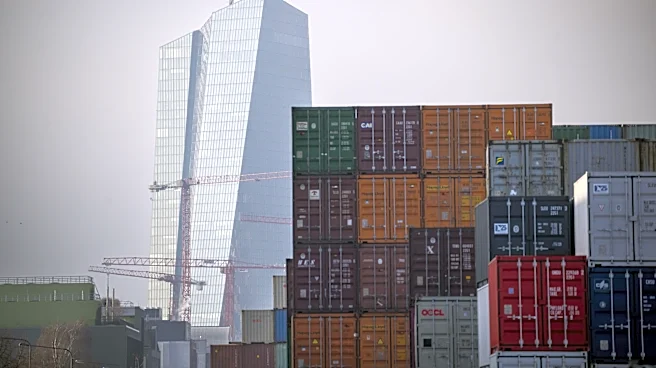
The European Union has introduced new measures aimed at protecting its steel industry and regulating e-commerce to address the trade imbalance with China. The EU has imposed a 3 euro customs duty on small packages to curb the influx of low-value online
imports, which have been putting European retailers at a disadvantage. Additionally, new rules on steel imports are designed to protect EU plants and jobs from global overcapacity, particularly targeting China's subsidized steel production. The EU's trade deficit with China has been widening, reaching approximately 360 billion euros in 2025. The new regulations also include tariff-free quotas and a 50% duty on certain steel imports, with transparency requirements to prevent circumvention of these measures.
Why It's Important?
These measures are significant as they represent the EU's efforts to level the playing field for its industries against China's competitive pricing and subsidies. The regulations aim to protect European jobs and industries, particularly in steel, which is considered strategically crucial. The move also reflects broader concerns about trade imbalances and the impact of global overcapacity on local economies. By imposing these regulations, the EU seeks to ensure fair competition and safeguard its industrial base, which could have implications for international trade relations and economic policies.
What's Next?
The EU's new regulations may lead to tensions with China, which has already expressed opposition to such measures. The EU will need to navigate potential diplomatic challenges while ensuring compliance with international trade agreements. The effectiveness of these regulations in reducing trade imbalances and protecting European industries will be closely monitored. Additionally, the EU may face pressure to extend similar measures to other sectors affected by trade imbalances.