





What's Happening?
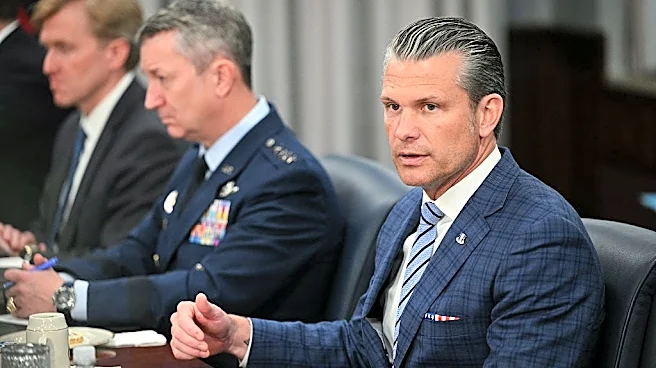
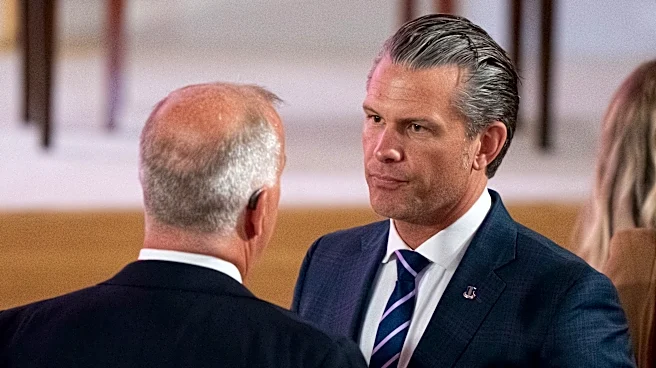
U.S. Secretary of Defense Pete Hegseth announced a 20% reduction in the number of generals and admirals within the U.S. military. This reduction includes a 10% cut in existing personnel and an additional 10% decrease in overall general officer slots.
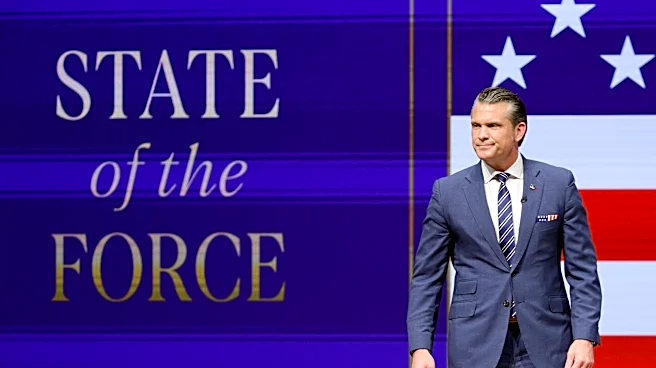
Hegseth, speaking at the Marine Corps Base Quantico in Virginia during his 'State of the Force' address, characterized this move as 'accountability' and 'long overdue,' rather than a 'purge' as some media outlets have described it. This announcement follows a previous speech where Hegseth criticized the military for being too focused on 'woke' ideas and in need of a significant shake-up. Since the beginning of President Trump's second term, several high-ranking military officials, including the chairman of the Joint Chiefs of Staff, have been removed from their positions.
Why It's Important?
This significant reduction in military leadership raises concerns about the potential politicization of the U.S. military and its long-term impact on national security. Democratic lawmakers have voiced apprehension, with Senator Mark Kelly, a former Navy combat pilot, describing it as a 'purge' that could take a generation to recover from. The move could be interpreted as an attempt by the executive branch to reshape military leadership to align with specific political ideologies, potentially undermining the non-partisan nature traditionally expected of the armed forces. While proponents argue it streamlines the command structure and promotes accountability, critics fear it could lead to a loss of experienced leadership and institutional knowledge, weakening military effectiveness and morale. The debate highlights a growing tension between political appointees and career military professionals, with implications for military readiness and global standing.
What's Next?
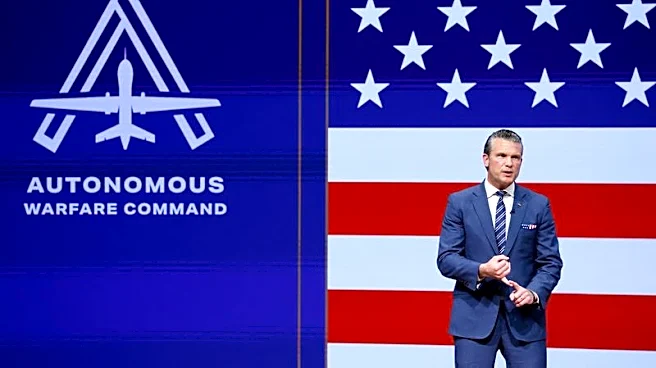
The implications of this military leadership reduction are likely to unfold over time. Republican Senator Mike Rounds, a member of the Senate Armed Services Committee, has indicated a desire to understand Hegseth's rationale, suggesting further congressional scrutiny. The defense secretary also announced plans for a new drone-focused warfare command and a task force led by tech billionaire Elon Musk, former Republican House Speaker Newt Gingrich, and Palmer Luckey to assess the future of warfare. These initiatives suggest a strategic shift towards modernizing military capabilities and adapting to evolving battlefield tactics, particularly in light of lessons learned from conflicts like Ukraine. However, the 'purge' narrative from some lawmakers indicates continued political debate and potential challenges to the administration's military policies, which could affect future defense budgets and personnel decisions.
Beyond the Headlines
Beyond the immediate personnel changes, this development touches upon deeper questions regarding civilian control over the military and the balance of power within the U.S. government. The characterization of the reductions as 'accountability' versus a 'purge' reflects differing views on the role of military leadership and its relationship with political administrations. If the perception of politicization deepens, it could erode public trust in the military as an impartial institution. Furthermore, the emphasis on adapting to new warfare technologies, such as drones and AI, signals a long-term shift in defense strategy. The involvement of private sector leaders like Elon Musk in military task forces could also raise ethical and operational questions about the integration of commercial interests and expertise into national defense, potentially blurring the lines between public and private sectors in military innovation.