







What's Happening?
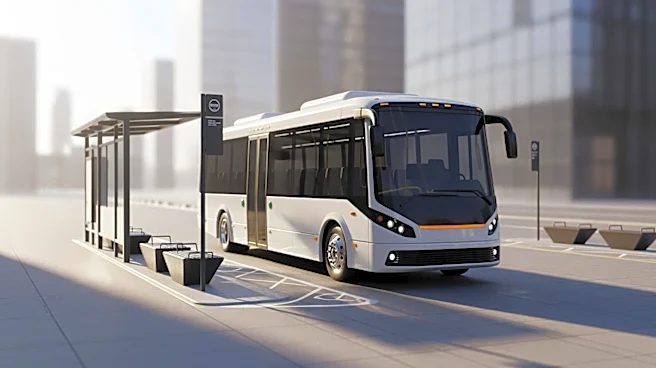
New Jersey Transit has introduced a pilot shuttle program called MicroLink, designed to provide free connections to major bus stops and park & rides in select areas of New Jersey. The program, which began on Monday, is funded by a $7 million grant from
the Federal Transit Administration and will operate for two years at no cost to commuters. Currently, the service is available in four communities in Bergen County and two in Monmouth County. The initiative aims to enhance accessibility to the bus network by offering flexible, on-demand service. The service operates from 6 a.m. to 8 p.m. on weekdays and can be accessed via the MicroLink app or by phone. All trips are ADA accessible, although the service is distinct from NJ Transit's Access LINK for people with disabilities.
Why It's Important?
The introduction of the MicroLink shuttle service represents a significant step towards improving public transportation accessibility in New Jersey. By providing a free, on-demand connection to major transit hubs, the program aims to reduce reliance on personal vehicles, potentially easing traffic congestion and lowering emissions. This initiative aligns with broader efforts to create a more connected and rider-focused transit system, which could lead to increased public transit usage. The pilot program's success could influence future transportation policies and funding allocations, potentially expanding similar services to other regions. Commuters stand to benefit from improved convenience and cost savings, while the state could see environmental and economic gains from reduced vehicle emissions and increased public transit use.
What's Next?
As the pilot program progresses, NJ Transit will likely monitor its usage and effectiveness in meeting commuter needs. Feedback from users will be crucial in determining whether the service should be expanded or modified. If successful, the program could serve as a model for similar initiatives in other parts of the state or country. Stakeholders, including local governments and transit authorities, may consider additional funding or partnerships to sustain and grow the service. The outcome of this pilot could also influence future transportation planning and policy decisions, particularly in areas seeking to enhance public transit accessibility and reduce environmental impact.