









What's Happening?
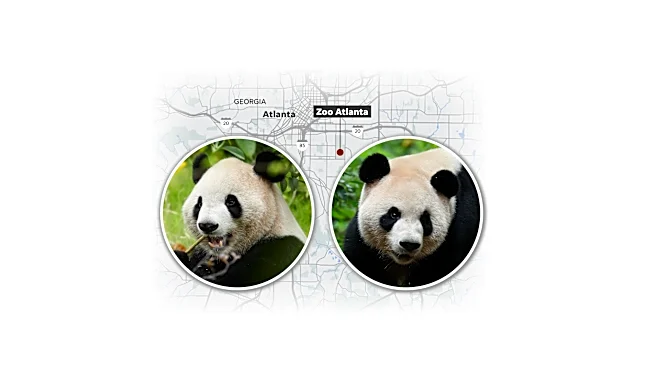
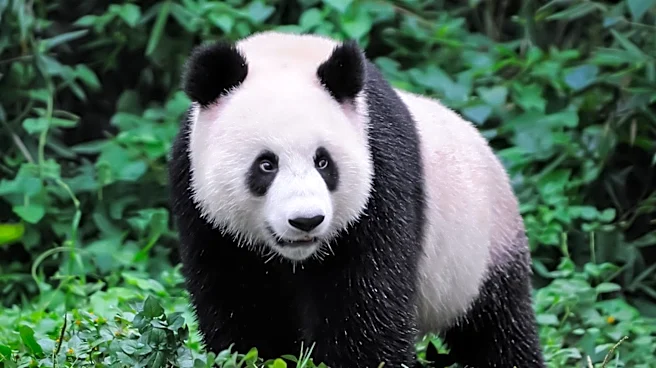
Zoo Atlanta officially welcomed two new six-year-old giant pandas, Ping Ping and Fu Shuang, to the public after a month-long quarantine. The pandas debuted in the all-new Panda Grove, which features two indoor rooms and two outdoor habitats. This arrival
marks a significant moment for Zoo Atlanta, as the pandas will reside there for the next 10 years under an agreement with the China Wildlife Conservation Association. A grand ceremony was held to commemorate their debut, with Zoo Atlanta President and CEO Raymond King highlighting the event as historic and a testament to the power of partnership. Chinese Ambassador to the United States Xie Feng emphasized the pandas' arrival as a symbol of practical subnational cooperation between China and the U.S., fostering affinity between the two peoples and contributing to global biodiversity protection. U.S. Ambassador to China David Perdue, Atlanta Mayor Andre Dickens, and Georgia Governor Brian Kemp, along with First Lady Marty Kemp, sent video welcome messages.
Why It's Important?
The arrival of Ping Ping and Fu Shuang at Zoo Atlanta carries significant cultural, economic, and diplomatic importance. Culturally, it rekindles public excitement and engagement with wildlife conservation, drawing large crowds and creating memorable experiences for families, as evidenced by the long lines and enthusiastic visitors. Economically, Zoo Atlanta anticipates a substantial boost in attendance, projecting a 10 to 20 percent increase in the first year, which will also drive sales of panda-related merchandise and gifts, contributing to the zoo's financial health and the local economy. Diplomatically, the pandas serve as a symbol of goodwill and cooperation between China and the United States. As highlighted by Ambassador Xie Feng, this initiative demonstrates how both nations can collaborate on global issues like biodiversity protection, reinforcing bilateral ties through shared conservation efforts and cultural exchange. This event underscores the role of cultural diplomacy in fostering international understanding and partnership.
What's Next?
In the immediate future, Zoo Atlanta's primary focus will be ensuring Ping Ping and Fu Shuang comfortably adjust to their new environment and caretakers. The zoo expects a sustained increase in visitor numbers, which will necessitate managing larger crowds and maintaining the new Panda Grove facilities. The 10-year agreement with the China Wildlife Conservation Association means ongoing collaboration and shared expertise in giant panda care and conservation efforts. This long-term commitment will likely involve continued scientific research and public education programs centered around the pandas. The diplomatic implications suggest that this successful partnership could pave the way for future cultural and scientific exchanges between the U.S. and China, potentially influencing broader bilateral relations. The economic boost to Zoo Atlanta will also allow for further investments in animal welfare and conservation initiatives.
Beyond the Headlines
The return of giant pandas to Zoo Atlanta transcends a simple animal exhibit, touching upon deeper themes of international relations and conservation ethics. The 'panda diplomacy' tradition, exemplified by this agreement, showcases how cultural exchanges can serve as soft power tools, fostering goodwill and dialogue between nations even amidst complex geopolitical landscapes. It highlights a shared global responsibility for endangered species, positioning the U.S. and China as partners in biodiversity preservation. Ethically, the presence of these pandas raises awareness about species extinction and the critical role of zoos in conservation, breeding programs, and public education. It also underscores the long-term commitment required for such partnerships, involving significant financial investment and scientific collaboration. The public's overwhelming response reflects a universal appeal for these iconic animals, reinforcing the emotional connection humans have with wildlife and the importance of protecting natural heritage for future generations.