




What's Happening?
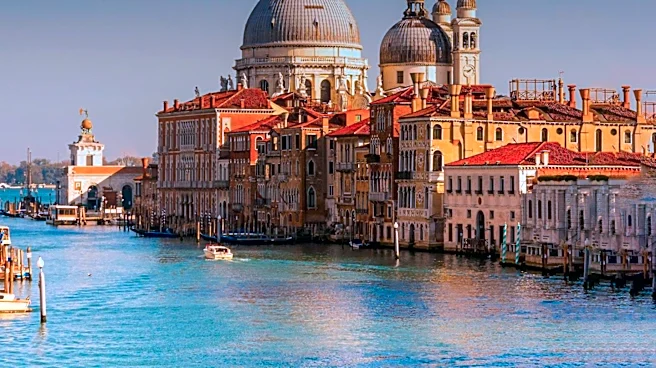
Venice, a city renowned for its romantic allure and unique architecture, is experiencing significant transformations due to overtourism and globalization. Travel writer Rick Steves, after more than 40 years of visiting, notes a distinct shift in the city's
character. While still beautiful, Venice is increasingly crowded during the day with tourists, many of whom are day-trippers from cruise ships and mainland hotels, leading to fewer overnight stays and reduced patronage for local restaurants. The city has introduced an 'Access Fee' of €5-10 for day-trippers to the historic center, aiming to mitigate the negative effects of mass tourism. Furthermore, globalization is impacting local industries, such as the historic Murano glassmaking, with many souvenirs now being imported from countries like China and Mexico, undercutting local artisans. The city's resident population continues to decline, partly due to the challenges of urban living, including expensive and small apartments, occasional flooding, and the difficulty of navigating daily life with amenities like strollers over arched bridges.
Why It's Important?
The challenges faced by Venice highlight a broader global issue concerning the sustainability of popular tourist destinations and the preservation of local culture and economies in the face of mass tourism and globalization. The influx of day-trippers, while providing some revenue, often fails to significantly benefit local businesses that rely on longer stays and higher spending. The erosion of traditional crafts, like Murano glassmaking, due to cheaper foreign imports, threatens centuries-old artisanal heritage and the livelihoods of local craftspeople. The declining resident population indicates a potential loss of the authentic Venetian community, transforming the city into more of a museum than a living, breathing urban center. This situation underscores the delicate balance between economic gain from tourism and the imperative to protect cultural identity and environmental sustainability, offering lessons for other globally recognized destinations grappling with similar pressures.
What's Next?
The effectiveness of Venice's 'Access Fee' in managing overtourism and generating sufficient funds to address its drawbacks remains to be seen. The city will likely continue to explore and implement strategies to encourage more sustainable tourism, potentially including incentives for longer stays or stricter regulations on day-trippers. Efforts to promote genuine Venetian products, such as Murano glass with certified seals, will be crucial for supporting local artisans and preserving traditional crafts. Addressing the declining resident population will require policies that make living in Venice more feasible and attractive for families, potentially through affordable housing initiatives or improved urban infrastructure. The ongoing dialogue between local authorities, tourism operators, and residents will shape the future direction of Venice, as it strives to maintain its unique charm while adapting to modern challenges.
Beyond the Headlines
The transformation of Venice extends beyond economic and logistical concerns, touching upon profound cultural and social shifts. The increasing presence of multilingual menus and non-Venetian street performers reflects a changing demographic and cultural landscape, raising questions about the authenticity of the 'Venetian experience.' The observation that even romance on gondolas is now often interrupted by smartphone use points to a broader societal trend of digital immersion, even in traditionally idyllic settings. The struggle to preserve local crafts against globalized production highlights the tension between economic efficiency and cultural heritage. Ultimately, Venice's predicament serves as a microcosm for the global challenge of balancing economic development with the preservation of unique cultural identities and the quality of life for local communities in an increasingly interconnected world.