




What's Happening?
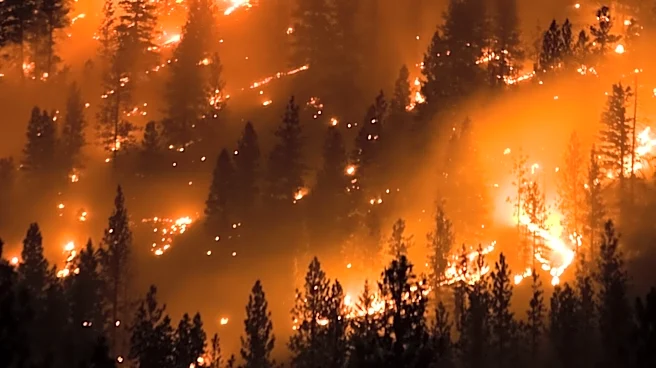
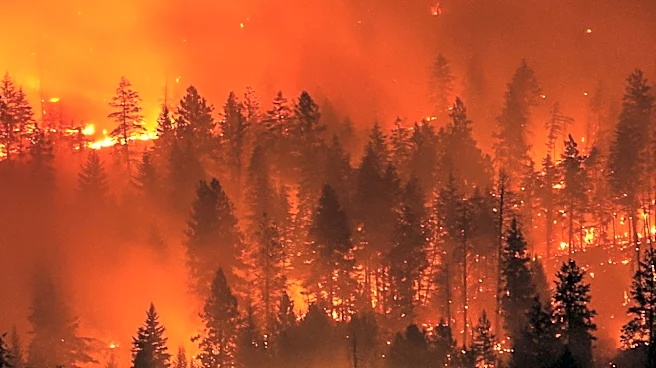
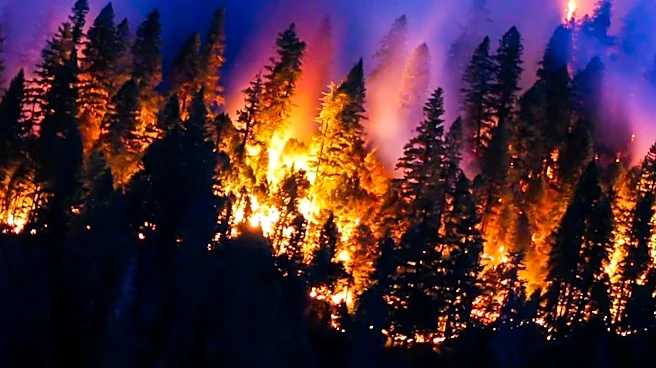
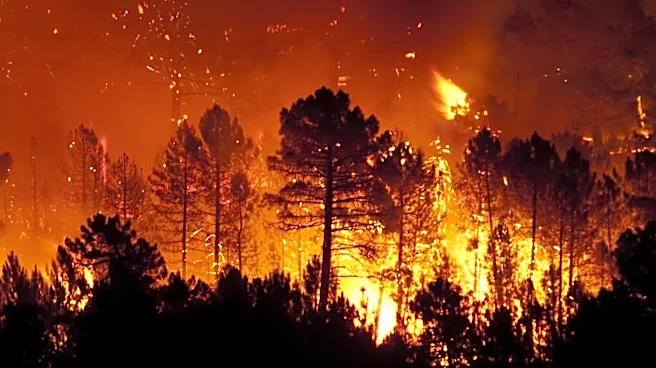
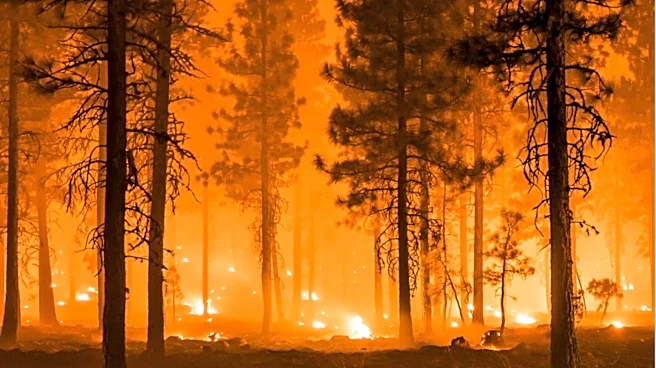
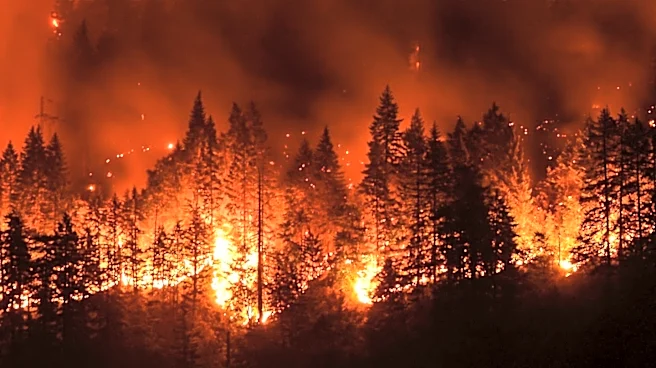
The Aspen Acres wildfire has rapidly expanded, becoming one of the ten largest wildfires in Colorado's history. The blaze has consumed over 85,500 acres across Custer, Pueblo, Fremont, and Huerfano Counties, with zero percent containment reported. The fire's
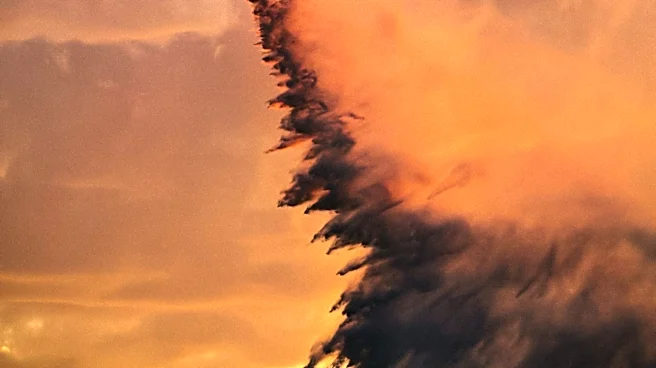
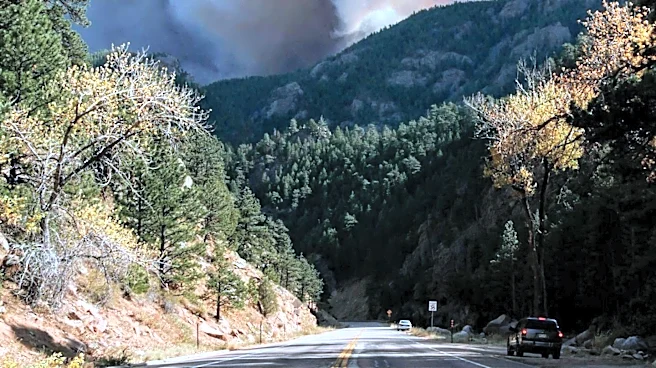
aggressive behavior has led to mandatory evacuation orders for several communities, displacing more than 3,800 households and affecting approximately 11,000 residents. Firefighting efforts have been bolstered by two multi-engine water-scooping aircraft, which are targeting the fire's southern edge. These aircraft are drawing water from Pueblo Reservoir to combat the flames. The wildfire has also prompted air quality alerts due to heavy smoke, affecting Colorado and nearby Utah.
Why It's Important?
The Aspen Acres wildfire's rapid growth and the resulting evacuations highlight the increasing frequency and intensity of wildfires in the U.S., particularly in the West. This event underscores the urgent need for effective wildfire management and prevention strategies. The displacement of thousands of residents and the potential for property damage pose significant challenges for local communities and emergency services. Additionally, the fire's impact on air quality raises public health concerns, particularly for vulnerable populations. The situation also reflects broader environmental issues, such as climate change, which is believed to contribute to more severe and frequent wildfires.
What's Next?
Efforts to contain the Aspen Acres wildfire will continue, with firefighting teams focusing on strategic areas to prevent further spread. Authorities will likely maintain and possibly expand evacuation orders as needed to ensure public safety. The ongoing situation may prompt discussions among policymakers and environmental groups about enhancing wildfire preparedness and response strategies. Additionally, the impact on air quality may lead to increased monitoring and public health advisories. The long-term recovery process for affected communities will involve assessing damage, rebuilding infrastructure, and providing support to displaced residents.