





What's Happening?
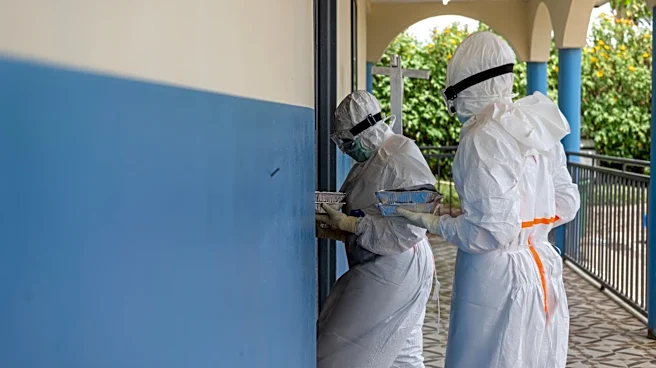
Doctors in the Democratic Republic of the Congo (DRC) are grappling with a severe Ebola outbreak, marked by over 300 confirmed cases and more than 40 deaths. The outbreak is concentrated in the eastern part of the country, with additional cases reported
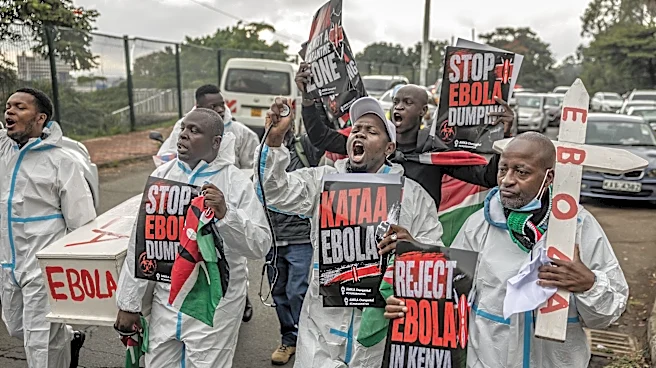
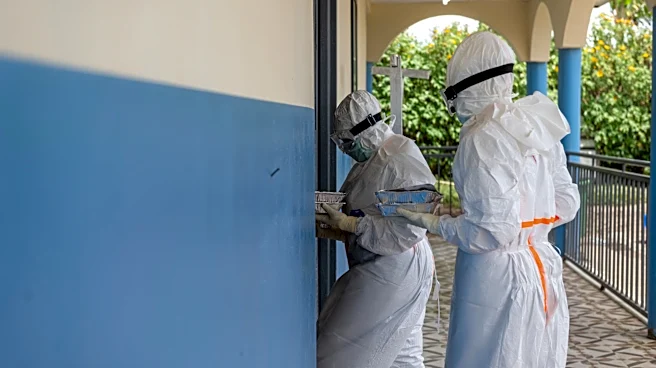
in neighboring Uganda. Healthcare workers, including Dr. Aymar Akilimali, are facing significant challenges due to fear and misinformation within communities. These factors complicate efforts to trace contacts and provide timely medical care. The Ebola treatment centers are heavily monitored to prevent the spread of the virus, with strict biosecurity protocols in place. However, the fear of the virus and distrust in healthcare facilities are leading to delays in seeking medical care and resistance to isolation measures.
Why It's Important?
The ongoing Ebola outbreak in the DRC poses a significant public health challenge, not only due to the virus's high contagion and mortality rates but also because of the socio-political environment. Fear and misinformation are major obstacles, affecting the effectiveness of containment efforts. The outbreak highlights the need for robust community engagement and trust-building measures to ensure compliance with health directives. The situation also underscores the importance of international support and collaboration in providing resources and expertise to manage such crises. The outbreak's impact extends beyond health, affecting social stability and economic activities in the region.
What's Next?
Efforts to control the Ebola outbreak in the DRC will likely continue to focus on enhancing community engagement and improving trust in healthcare systems. International organizations are expected to play a crucial role in providing resources and support. The U.S. has indicated plans to re-engage with global health initiatives, which could bolster the response efforts. Monitoring and rapid response strategies will be critical in preventing further spread, especially in regions with limited access to healthcare. The situation remains fluid, with healthcare workers and international partners working to adapt strategies to the evolving challenges.