







What's Happening?
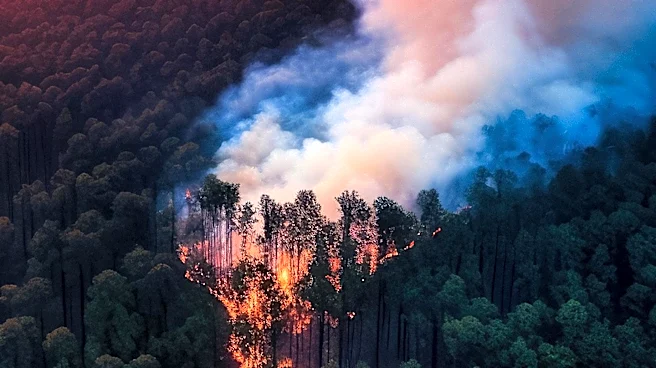
A volunteer firefighter in France has been placed under formal investigation for allegedly starting a forest fire south of Paris. The fire, which has burned over 2,000 hectares and led to the evacuation of approximately 1,000 people, is one of many that
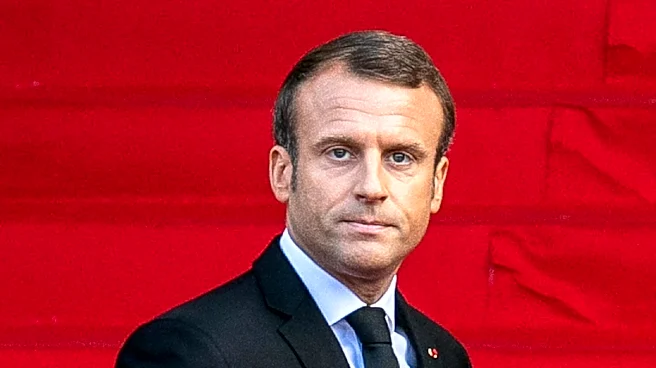
have plagued the country this year. The Fontainebleau fire, in particular, has threatened the Palace and Park of Fontainebleau, a UNESCO World Heritage site. French President Emmanuel Macron has stated that there will be no leniency for those found guilty of arson. The incident is part of a broader trend of increasing wildfires across Europe, exacerbated by rising temperatures attributed to climate change.
Why It's Important?
The investigation into the firefighter's alleged actions highlights the growing issue of human-induced wildfires, which are becoming more frequent and severe due to climate change. This incident underscores the vulnerability of natural and cultural heritage sites to environmental disasters. The increasing frequency of such fires poses significant challenges for emergency services and local communities, leading to economic losses and displacement. The situation in France reflects a broader European trend, where climate change is causing more intense heatwaves and putting additional pressure on water resources, thereby increasing the risk of wildfires.
What's Next?
As the investigation continues, French authorities are likely to implement stricter measures to prevent future incidents of arson. This could include increased surveillance and penalties for those found guilty of starting fires. Additionally, there may be a push for more robust climate action policies to address the root causes of rising temperatures and their impact on wildfire frequency. The international community may also look to France's response as a case study for managing similar crises in other regions.
Beyond the Headlines
The incident raises ethical questions about the responsibilities of those tasked with protecting communities from fires. It also highlights the need for comprehensive strategies that address both the symptoms and causes of climate change. Long-term, this could lead to shifts in how countries prepare for and respond to natural disasters, with a greater emphasis on sustainable practices and international cooperation to mitigate climate impacts.